


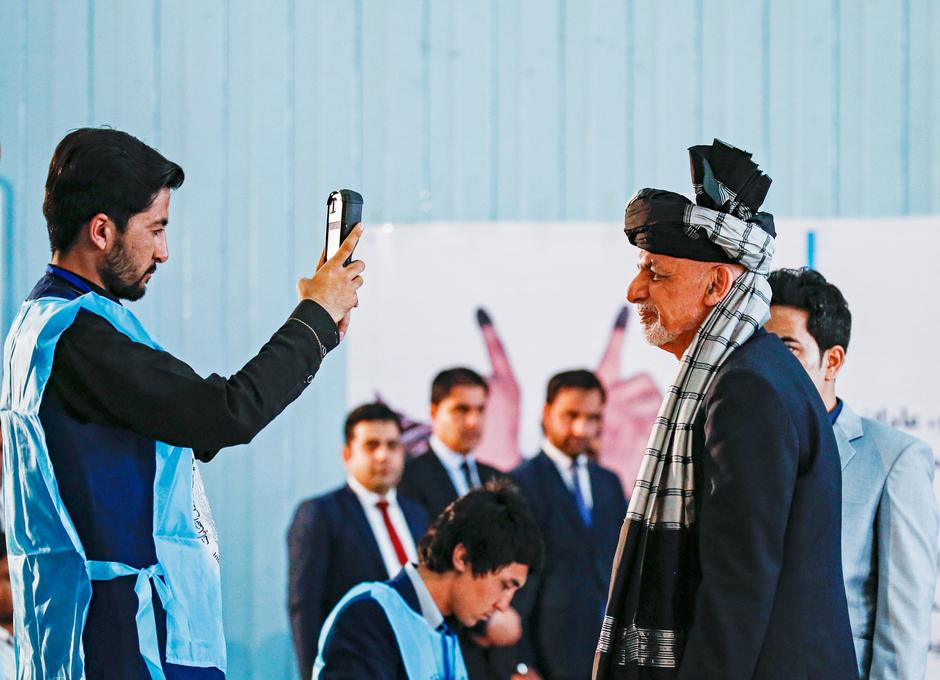
Last year was one of turmoil for Afghanistan, with the same election being postponed twice, deadly attacks, and peace talks unable to progress. It saddens me that I have heard many talking about how there is no point in holding elections in Afghanistan anymore because of the way they have intensified chaos. My hope for 2020 is that the Afghan people have peace and that, whoever is ultimately found to have won last year’s presidential vote, they make peace efforts the priority.
My desire is for Afghanistan to have the same hype that the UK has around elections and democracy. On Dec. 12, when the UK held its last parliamentary election, I was with the Afghan diaspora watching the news to see the results coming in. I waited up all night for the verdict. I realize I take for granted how organized and together the UK’s elections are when I think of the contrast to how messy and sporadic progress in Afghanistan is.
It would be unimaginable for the UK to be forced to wait for weeks to find out who is to lead the country. Yet in Afghanistan, where the future relies on these results so heavily, that is exactly what has happened. And, in the UK, while the country might have very differing opinions about the outcome, there was never any doubt about the legitimacy of the votes cast. In Afghanistan, three months went by before anything was announced about the results of September’s vote, while the ongoing uncertainty regarding the outcome of Abdullah Abdullah’s allegations of fraud make you anxious and uncertain.
To me, knowing is an essential part of democracy. That is why I understand people’s frustration and lack of trust about the elections. And yet, for me, voting and being a part of democracy is history. We have the chance to choose our fate and that is exciting. I wish the excitement was the same in Afghanistan.
I saw on social media that people in Afghanistan were worried about their vote not being meaningful because of fraud. They thought that the election may have been rigged and felt concerned about corruption and greed. Added to this were the tensions with the Taliban, with the fear of attacks at polling stations leading to turnouts as low as 20 percent in some regions. I don’t want this to continue. We need to give the people of Afghanistan positivity and reassurance that their vote not only counts, but that it is worth making the effort to vote.
It would be unimaginable for the UK to be forced to wait for weeks to find out who is to lead the country.
Rabia Nasimi
Reaching that point will, in reality, require fundamental change and a commitment from all sides that votes can be cast safely and meaningfully. We need to find a way to make sure that these commitments are upheld. I hope this can be achievable one day. Looking back at the parliamentary elections from 2018, we saw candidates from all walks of life, including women and young people. They tried to ensure everyone felt represented and took steps toward equality and justice.
But true equality and justice can only happen when people can participate fully. The reasons why people can’t and don’t vote in Afghanistan are serious, with fears for their safety and risks of recriminations. But we can’t let this numb us to how much elections matter. We have to at least want to vote, to want to make that difference. It might not change the most recent election or the next, but the more we realize how much fair elections — which the people in Afghanistan are denied — matter, the more we can empower ourselves for the tough challenges ahead.
- Rabia Nasimi is Strategic Development Manager at the Afghanistan and Central Asian Association (ACAA). Twitter: @RabiaNasimi


