

The world has witnessed several energy crises in recent decades, from its first oil shock in 1973 to the Iranian Revolution in 1979, the 2008 financial crisis and the major energy crisis that has been ongoing since 2014 and has led to repeated disruptions that have affected the global gas and oil markets. From 1973 until the wars in Ukraine and Iran, each crisis has demonstrated different effects on interest rates and stock markets. But the combined impact of the Ukraine and Iran wars has arguably resulted in the biggest energy crisis in history. These two conflicts have interconnected correlations and have emerged as the key trigger for fundamental geopolitical transformations.
The impacts of the Ukraine and Iran wars can be seen in several recent statistics. Diesel costs have soared as demand is exceeding supply. The price of diesel in the UK last week reached a record high average of 200.01 pence ($2.67) per liter. The cost has surged by 56.8p (40.5 percent) since the beginning of the war in Iran in late February. The previous record of 199.09p was set in June 2022, in the months following the outbreak of full-scale war in Ukraine. UK petrol prices were also up at 174.71p a liter, about 42p higher than they were at the start of the Iran war.
The price of a barrel of oil reached $111.54 in March, close to the record of $114.38 from May 2022. Both the Ukraine and Iran wars have had a systemic effect on energy markets and have had numerous geopolitical impacts.
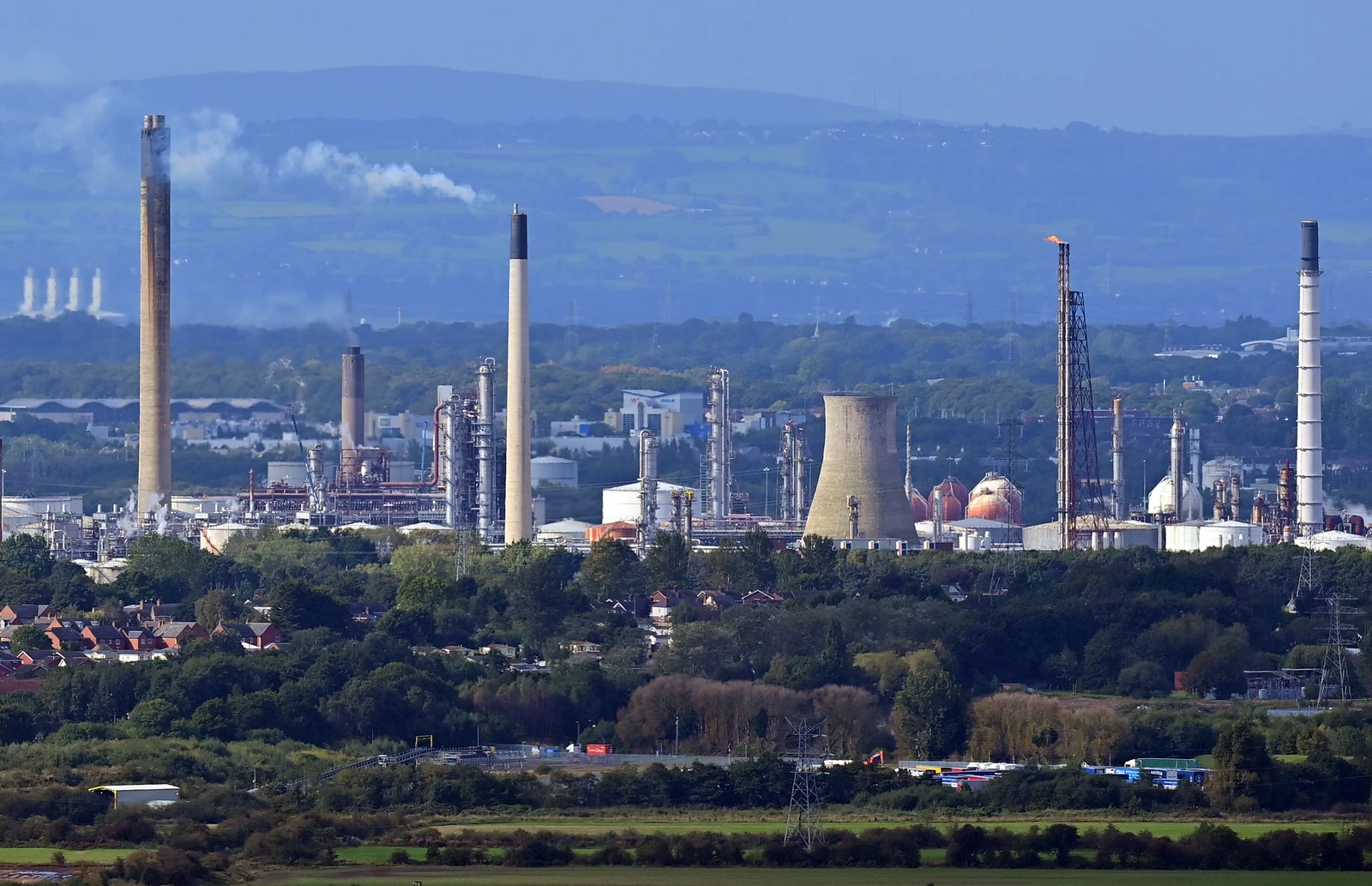
The oil market has also been impacted due to disruptions to refining capabilities in the Middle East and Russia. Before the Ukraine war, Russia provided between 10 percent and 15 percent of the world’s diesel supplies. Another 10 percent transited through the Strait of Hormuz from Gulf nations before the end of February. As a result of the disruptions, the cost of road fuels has surged worldwide.
Both the Ukraine and Iran wars have had a systemic effect on energy markets and have had numerous geopolitical impacts
Dr. Diana Galeeva
The US is the biggest exporter of diesel worldwide. It accounts for about a third of the UK’s imports due to the limits on Russian supply. Last month, Texas Gov. Greg Abbott declared a state of emergency over soaring diesel prices and a worsening fuel shortage created by the Ukraine and Iran wars. Diesel in the US last week hit a record price of $5.86 per gallon.
The White House was reported to be considering an export ban on diesel but this was downplayed by President Donald Trump. Meanwhile, fears that the US deficit was becoming unsustainable briefly drove UK 30-year bond yields above 6 percent for the first time since 1998.
The euro zone inflation rate jumped from 3.2 percent in August to 3.8 in September, its highest level in three years. Fuel prices have been exacerbating inflation since March.
On Friday, the G7 agreed to release 100 million barrels of oil and diesel from its emergency supply in order to help ease rising fuel prices. French President Emmanuel Macron said that the release would occur over the next four months. This move has been coordinated by the International Energy Agency.
The UK has historically low levels of storage, with only enough reserves of diesel to last 42 days. Stockpiles have declined as refineries have closed down — the country had 18 refineries in the 1980s but now has only four, leaving it exposed. According to The Guardian on Friday, “The government has sought to avert panic at the pumps, insisting that the UK is not facing a diesel shortage after Donald Trump threatened to cut off US supplies of the fuel.”
The UK’s status of being independent from Brussels gives it the opportunity to maneuver in these challenging circumstances
Dr. Diana Galeeva
Chancellor John Healey last month said that the UK was “turning the corner.” Its economy grew faster than estimated in the second quarter of 2026, with the increase of 0.5 percent in April to June strengthening its position as the fastest-growing G7 economy in the first half of 2026.
Critics say that the economy has largely failed to experience a post-Brexit boost since the UK cut ties with its largest trading partner in 2020. However, the figures above highlight the catastrophic impact of the Ukraine and Iran wars on the British economy. Facing these realities, its status of being independent from Brussels gives it the opportunity to maneuver in these challenging circumstances. Nigel Farage even thanked Prime Minister Andy Burnham for potentially reopening the Pandora’s box of Brexit in his speech to the Labour Party conference last week. The Reform UK leader said such a debate would give him the “biggest boost in my career” and told the PM: “Bring it on.”
In modern geopolitics, this Pandora’s box links directly to the current energy crisis. The UK has the opportunity to tackle the issue on its own and lead with its response on energy security threats within platforms such as the G7. Under the post-Brexit “Global Britain” agenda, London might prioritize its connectivity with the G7 and the Middle East, looking at the opportunities to transform and develop its economy based on effective collaborations on energy.
Dr. Diana Galeeva is an academic visitor to the Center of Islamic Studies at the University of Cambridge.


