
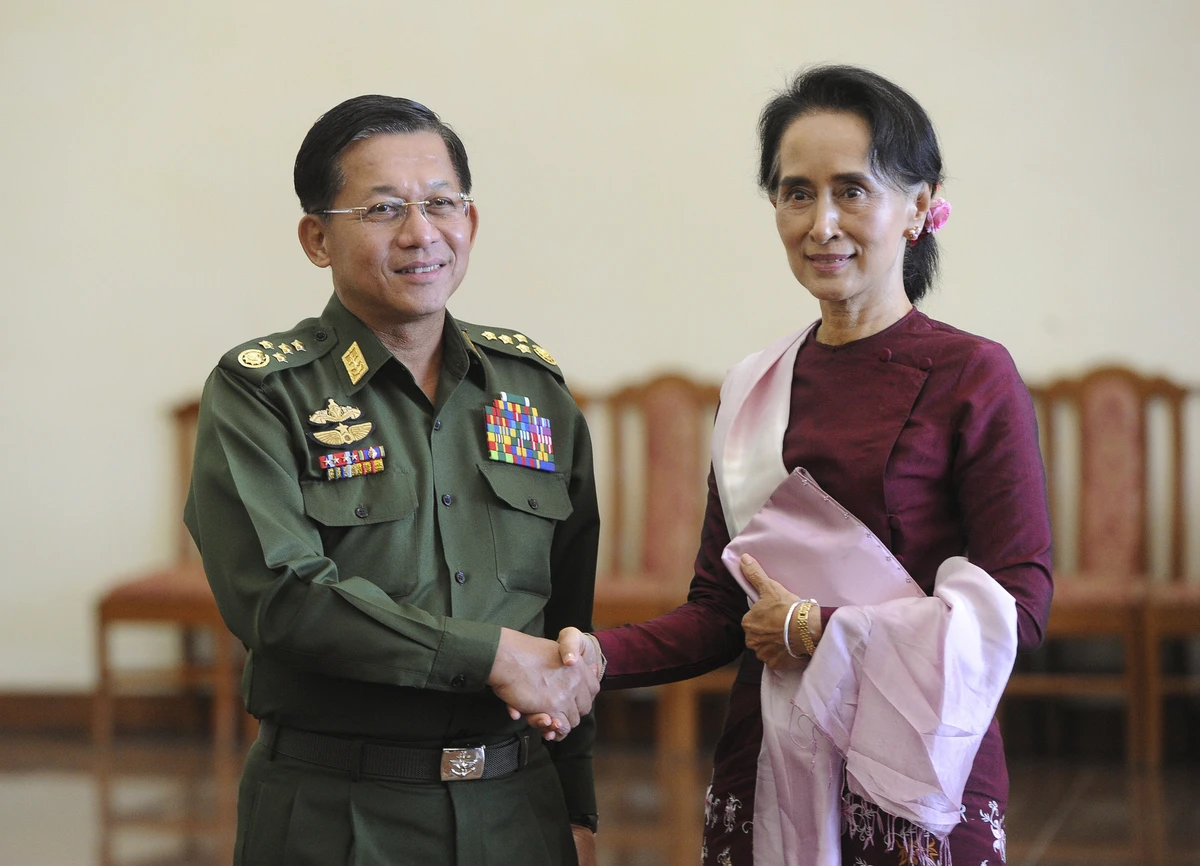

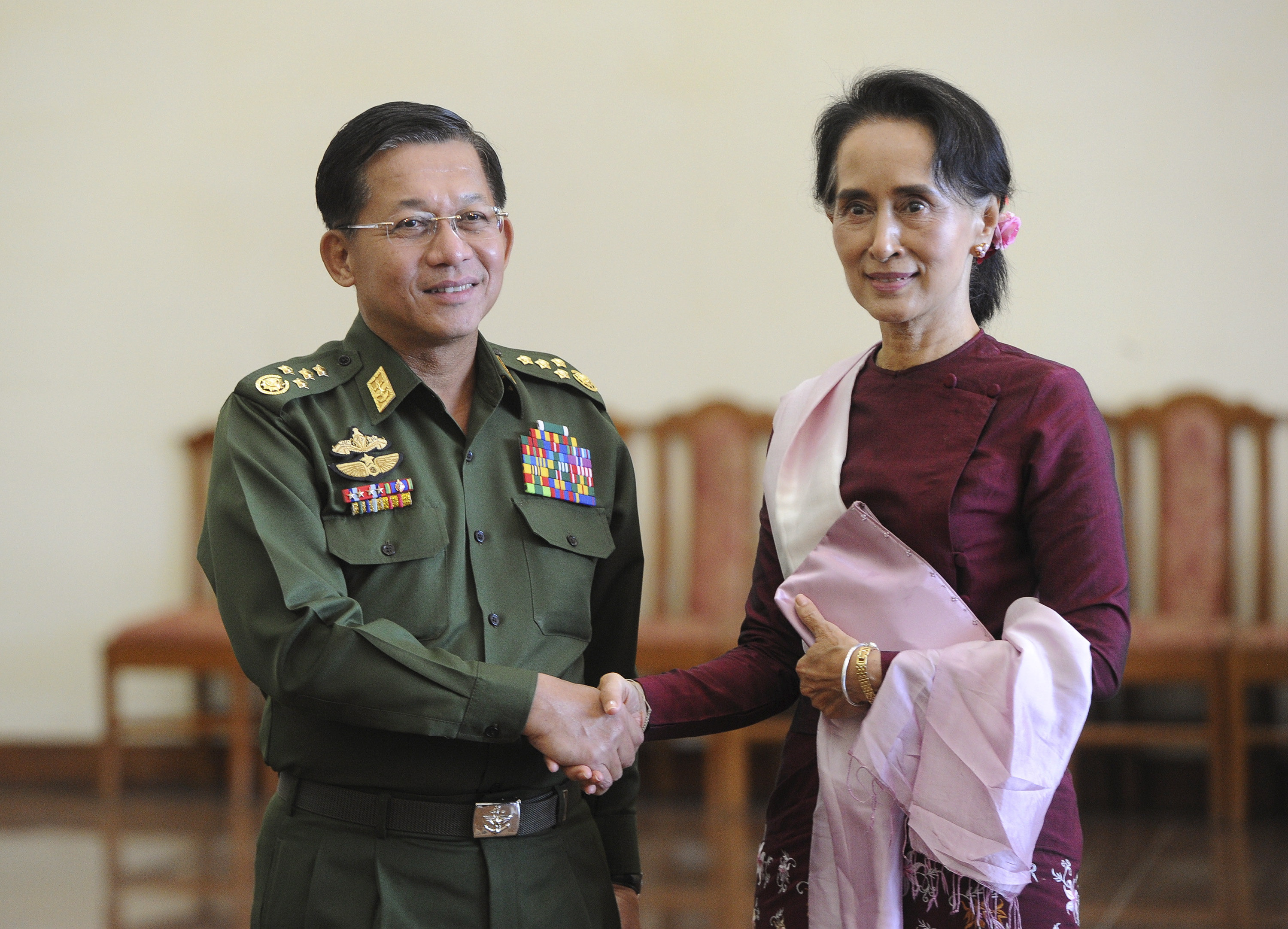
As the results come in from Myanmar’s general election, the National League for Democracy (NLD) seems poised for a result at least similar to the landslide it won in late 2015.
After five years during which the party oversaw and condoned the genocide against the Rohingya and the continuing war waged on other border ethnic minorities, the worst human rights violations in the country’s post-independence history, and after five years of no progress on any other facet of democracy, from press freedom to political plurality, and even as a genocide trial is ongoing at the International Court of Justice, neither the NLD nor its leader, Aung San Suu Kyi, seem to have suffered at all at the ballot box.
This is the nightmare scenario for liberal democrats: A resounding democratic endorsement of an anti-democratic, anti-liberal and, for the first time in the country’s history, genocidal government. At least, that is how it appears on the surface.
The other main political force in Myanmar is the Union Solidarity and Development Party, which represents the interests of the military and is effectively the political continuation of the old juntas. These two political forces appear to have settled into a comfortable and stable duopoly, under which they collude to exclude, silence and even arrest any political “intruders.”
So if you live in Myanmar and the choice you face at the ballot box is between a civilian NLD government that endorsed a genocide and the political wing of the military that carried it out, if the choice is between a party that represents — at least rhetorically — the concept of democracy and a party that would probably prefer a return to direct military dictatorship, I suppose you might make the same choice.
Opting not to make the same choice and instead speaking out in favor of a genuine democratic alternative would undoubtedly be the best moral choice, but that would land you in trouble and, at the very least, under arrest. Not many ordinary people can be expected to make that kind of sacrifice when they have families to look after.
And so the political establishment of Myanmar, the military-NLD duopoly, receives a “resounding” domestic endorsement and there is no domestic price to pay for the human rights atrocities, or the lack of progress on any meaningful democracy — though this was always likely to be the case.
The rather more alarming development is the speed with which international observers have rushed to lend validity to the polls, even as more than a million people in the country have been disenfranchised through genocide. Even most of the Western governments that have expressed opposition to the genocide in the past have been quick to recognize the elections as legitimate — despite the elephant in the room that the genocide represents.
The rather more alarming development is the speed with which international observers have rushed to lend validity to the polls, even as more than a million people in the country have been disenfranchised through genocide.
Dr. Azeem Ibrahim
Take as representative of this, for example, a statement from the British Foreign Office that said: “The 2020 elections are a significant milestone on Myanmar’s path from military dictatorship to democracy … However, we were disappointed to see the Rohingya and other minorities were once again disenfranchised. Elections were canceled in areas of conflict without a clear rationale or transparency.”
Even those who pull no punches on the reality of the genocide and the incomplete nature of the election still hail it as a valid and positive political exercise. The mental and moral gymnastics involved in this must be rather painful.
And so it seems that even Western governments, paragons of human rights that they are, will likely impose no further penalties on the government of Myanmar for the genocide.
They will continue to lend undue democratic credibility to a regime that is still actively engaged in human rights violations worse than those carried out by most dictatorial regimes around the world — even as virtually all of the surviving Rohingya are condemned to a life as perennial refugees.
- Dr. Azeem Ibrahim is a director at the Center for Global Policy in Washington, D.C. Twitter: @AzeemIbrahim


