

It is ironic that the protest boycott of Saudi Arabia in the aftermath of the Jamal Khashoggi case is targeting programs related to development, youth, women, social development, and the future.
The mass US withdrawal has not been against political or military activities, but rather against the investment conference, which was launched on Tuesday in Riyadh. Most of the programs scheduled in the conference — which has been boycotted by a number of Western companies and banks — are directed toward reforms in Saudi Arabia, as they include: Empowering youth, giving women equal job opportunities, reducing the role of the government through increased privatization, developing a modern education system, investing in entertainment, and building museums and arts centers, among others.
The boycott seems surprising too because it is imposed by countries and companies that, until recent years, were criticizing Saudi Arabia for being socially closed, religiously fanatic and restrictive of arts and social events, and thus were calling for a greater role for women and the private sector.
The calls for boycotting the investment conference, indeed, have come from different bodies, some of which are extremist Islamic organizations that aim to exploit the Khashoggi case for their own political motives. According to the Wall Street Journal, the website that led the campaign to intimidate companies and individuals participating in the conference is not innocent. In fact, it belongs to a supporter of the Muslim Brotherhood, but it seems like a reliable, independent website to its visitors.
There is no fear of a lack of investors or international companies working in and with Saudi Arabia as long as it has high financial liquidity.
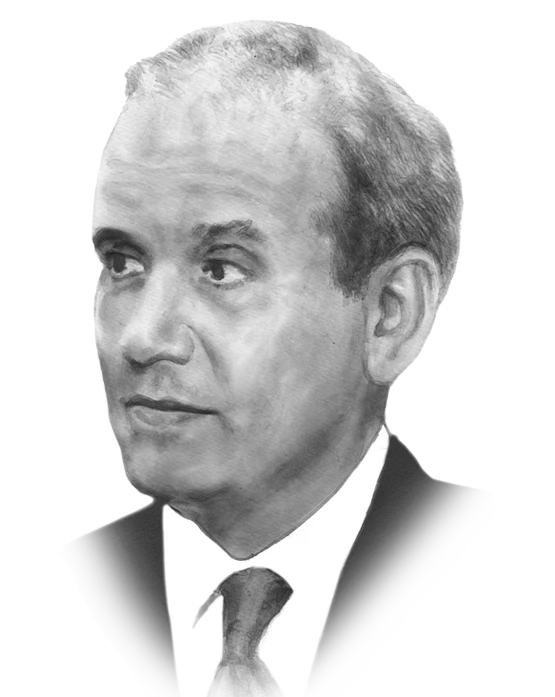
Abdulrahman Al-Rashed
Actually, there is no fear of a lack of investors or international companies working in and with Saudi Arabia as long as it has high financial liquidity, is ready to open up to the world, is fighting corruption, and while it is successfully reforming its ponderous bureaucratic systems. A strong indicator of this is that many have withdrawn their decision to boycott the conference at the last minute, and have now sent representatives. The conference has not failed and investment has not stopped.
In truth, I would have understood the boycott had it targeted a military industry conference or a political forum in Riyadh, and I would have considered it an acceptable protest under the current circumstances. However, it does not seem logical to boycott programs and plans with great objectives that were considered an important breakthrough when accepted and announced by Saudi institutions.
The goal has been to lead Saudi Arabia forward on the road of positive transformation and social openness; expand women’s space and opportunities; convince the government to reduce its interventionist role in managing community affairs through expanding the participation of the private sector; and achieve automation, job localization, and an improved standard of living. All these reforms aim to promote real growth, instead of merely relying on oil revenues. Thus, the goal of all this is to change the perceptions of governments and societies by pursuing internal reform, which is much needed in the Middle East — a region that is always busy with wars and political strife.
The success of Dubai — indeed, the UAE in general — during the past years has motivated everyone to follow suit. When Saudi Arabia started its journey of openness and transformation, this journey came in the form of a social and economic revolution. Today, Saudi Arabia is also motivating the whole region to adopt positive change. This endeavor deserves encouragement no matter what incidents or deaths take place.
- Abdulrahman Al-Rashed is a veteran columnist. He is the former general manager of Al Arabiya news channel, and former editor-in-chief of Asharq Al-Awsat. Twitter: @aalrashed


