


Sustainable investing has been at the forefront of the global conversation for a significant period of time, yet many markets have failed to capitalize on the unique opportunity to innovate and unlock value.
The Gulf Cooperation Council region clearly bucks this trend as it stands at the forefront of innovation and has identified clear paths to support sustainability while realizing value from energy infrastructure.
Governments in Saudi Arabia and Abu Dhabi have adopted forward-thinking approaches to meet their funding needs. A clear example of this visionary strategy is witnessed in the emergence of pipeline-related bond issuances, underscoring the region’s commitment to monetizing energy assets and diversifying its funding sources.
When we explore the emergence of pipeline credits in Saudi Arabia, it is clear that the nation is embracing the transformative potential of utilizing alternative funding sources.
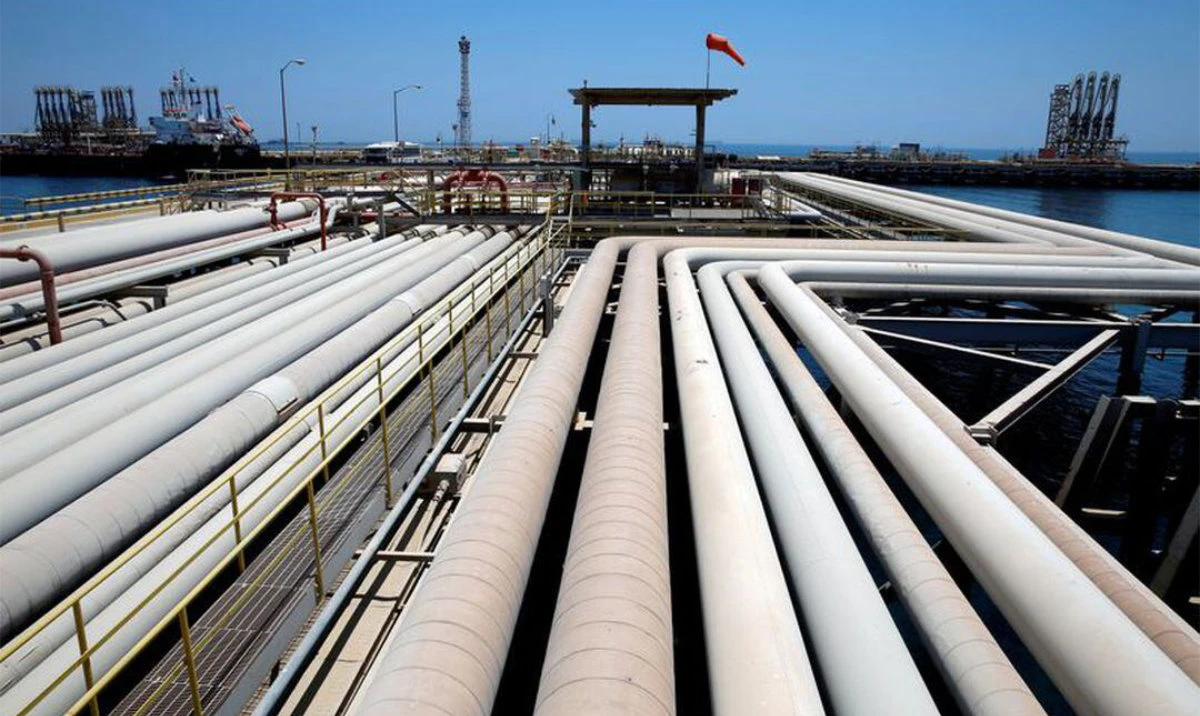
Pipeline credits can help fuel expansion opportunities for strategic assets. The driving force behind these initiatives has been the Saudi government and the national oil giant, Saudi Aramco. These entities are strategically leveraging their passive energy infrastructure to ensure a diversified funding base while retaining ownership and operational control over critical assets.
What makes pipeline credits particularly appealing from an investor’s perspective is the robust contractual structures that shield issuers from the inherent risks associated with pipeline throughput — risks that can be notoriously volatile.
These agreements, characterized by stable cash flows from tariff-based, long-term take-or-pay arrangements, provide a robust foundation for issuers to service their debt effectively and provide investor confidence in the offering.
In Saudi Arabia, pipeline credits have also been utilized by Aramco-backed EIG Pearl Holdings, and in Abu Dhabi, we have seen the underlying assets of these pipeline credits, Galaxy Pipeline, and Abu Dhabi Crude Oil Pipeline, have a strong investment case.
These assets offer de-risked contractual structures, hold strategic significance to national development, and provide recovery provisions for creditors in the event of contract termination.
Although Debt Service Coverage Ratios may be on the lower end compared to other debt issuances, these credits remain attractive due to their well-insulated, de-risked project cash flows.
While pipeline credits in Saudi Arabia represent a relatively new sub-segment of bond markets, their financial viability plays a pivotal role in advancing the Kingdom’s economy.
These pipelines serve as critical infrastructure for energy supply and domestic consumption in the region. It is not uncommon to witness pipeline credits issued as a refinancing mechanism, especially to refinance bridge loans.
Entities are actively addressing pending refinancing requirements related to bridge loans. However, strategic financial planning, hedging agreements, and cooperation agreements with key stakeholders have effectively mitigated potential risks, establishing a stable financial base for these transformative projects.
Investor confidence in these projects is further bolstered by the insulation of cash flows from price, volume, and operational risks. Through long-term agreements, issuers guarantee fixed tariffs based on minimum volume commitments, providing a predictable cash flow stream. Additionally, operational, capital, and decommissioning expenditures are passed on to majority shareholders, safeguarding investors against cost variability. While termination events pose potential risks, compensatory provisions ensure that bondholders are adequately protected.
Saudi Arabia, with its visionary leadership, is charting a course toward sustainable financial growth. The Kingdom’s pioneering path in pipeline credits not only underscores its commitment to economic diversification but also positions it as a global leader in innovative financing methods.
As businesses adapt to the changing landscape, Saudi Arabia stands as a testament to the transformative power of strategic investments, offering a roadmap for sustainable growth in a rapidly evolving world.
• Mazen Bunyan is the CEO of Standard Chartered Saudi Arabia.


