
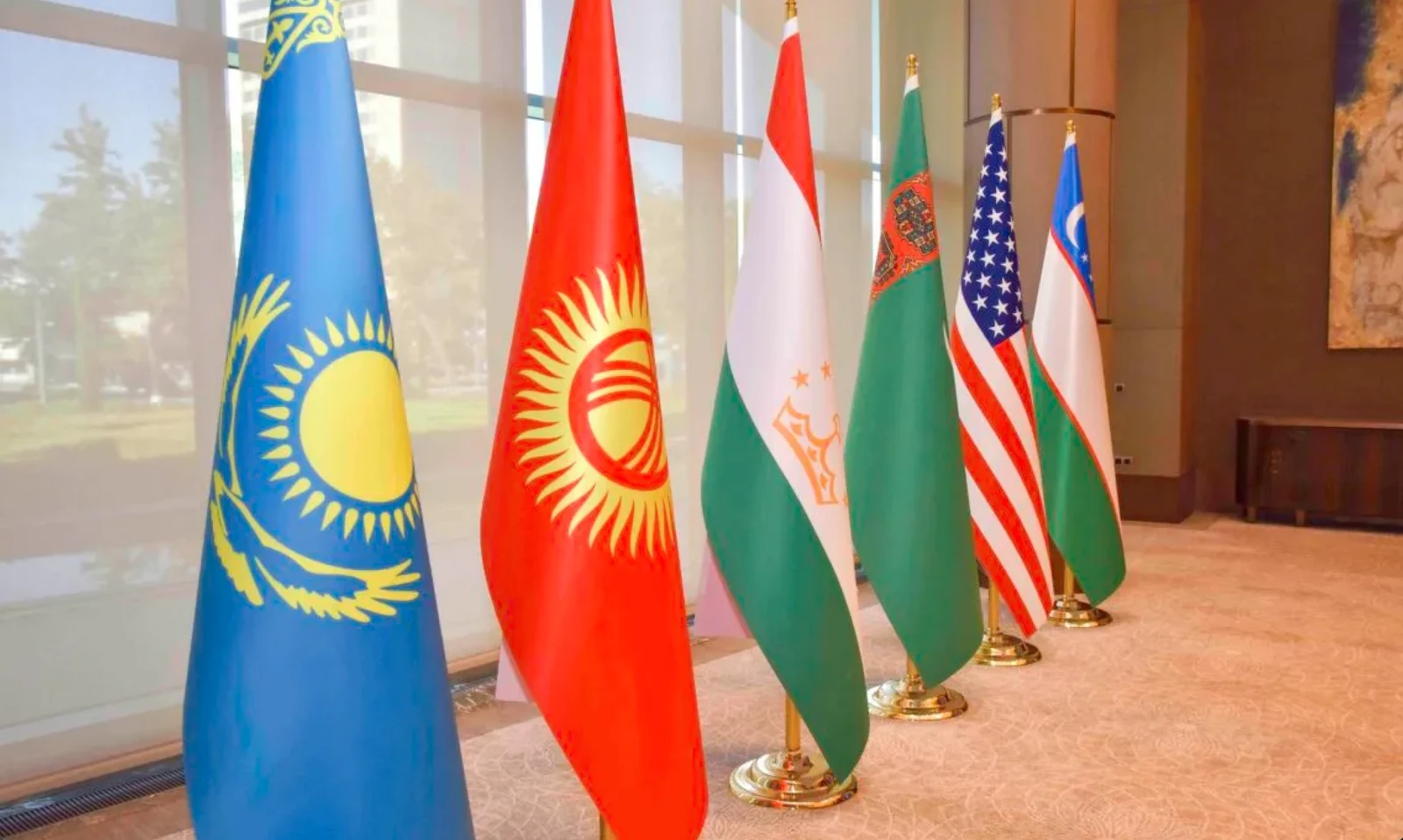

A high-level meeting will take place this weekend between the US and the five Central Asian countries — Kazakhstan, Kyrgyzstan, Tajikistan, Turkmenistan and Uzbekistan — under the C5+1 format. Secretary of State Marco Rubio will lead the US delegation to Samarkand, Uzbekistan, for the C5+1 ministerial meeting. This diplomatic format was established in 2015 and has served as America’s main diplomatic platform for engagement in the region.
This gathering, however, will place an unprecedented emphasis on business and investment. About 200 American business representatives will accompany Rubio to build on the economic and investment agreements reached at last year’s 10th anniversary summit, which was held at the White House.
The decision to hold the meeting in Samarkand is filled with symbolism. As one of the most important cities along the historic Silk Road, Samarkand is an appropriate setting for a gathering focused on strengthening America’s economic relationships with the countries of Central Asia.
The timing of the meeting is also important. It follows a recent gathering in Avaza, Turkmenistan, of the C6, a new format bringing together the five Central Asian states and Azerbaijan. It also comes ahead of the next summit of the Organization of Turkic States, scheduled to take place in Ankara, Turkiye, at the end of the month.
The Trump administration has perhaps done more than any previous administration to boost America’s presence in the region
Luke Coffey
Although these three diplomatic formats do not include identical memberships, there is enough overlap to allow for meaningful coordination between the gatherings. Taken together, they reflect the growing diplomatic and economic importance of Central Asia.
In this era of great power competition, Central Asia is becoming increasingly important to the US. The Trump administration has perhaps done more than any previous administration to boost America’s presence in the region.
Central Asia is rich in oil and natural gas and has become an increasingly important location in the global competition to secure access to critical minerals. These resources have elevated the region’s importance at a time when countries are looking to diversify their energy supplies and secure reliable access to raw materials.
Unsurprisingly, the agenda for the upcoming C5+1 meeting will be dominated by global energy markets and the desire on both sides to expand economic engagement. Expect major trade and investment deals to be announced.
However, behind the scenes, the ongoing war with Iran and Russia’s invasion of Ukraine will loom large. Both geopolitical shocks have implications for the stability and economic prosperity of Central Asia. Even if these issues do not dominate the public agenda, they will undoubtedly shape the broader discussions between American and Central Asian officials.
The agenda will be dominated by global energy markets and the desire on both sides to expand economic engagement
Luke Coffey
Another issue likely to be discussed behind the scenes, but which may not feature prominently in public statements, is the future of the C5+1 secretariat. Although a secretariat was established in 2022 to coordinate meetings and other diplomatic activities, countries in the region have been pushing for a more permanent institutional structure.
There is a good argument for a more permanent secretariat. This would allow greater continuity and coordination between summits and help ensure that agreements reached at the highest levels are implemented.
China has already gone further in institutionalizing its own diplomatic format with Central Asia, establishing a permanent secretariat based in Xi’an — a city that historically marked the eastern end of the Silk Road. However, for reasons that have not been publicly explained, Washington is reluctant to support a similar arrangement.
Looking ahead, there are several ways Washington can advance its interests and deepen its relationships with the countries of Central Asia.
First, the US must maintain the momentum of its current high-level engagement with the region. Rubio’s visit should be followed by a steady drumbeat of Cabinet-level visits and, ultimately, a visit by President Donald Trump himself.
No sitting American president has ever visited Central Asia. It would be fitting for Trump, whose administration has placed such an emphasis on expanding America’s engagement with the region, to become the first.
Second, Washington should keep an open mind about transforming the existing C5+1 secretariat into a more permanent institution to manage cooperation between summits. If such an arrangement works for Central Asia’s engagement with China, there is no obvious reason the US should rule out a similar approach. Washington should not allow its engagement with the region to fall behind simply because it is reluctant to establish a more permanent institutional framework.
Third, the Trump administration should redouble its efforts to normalize relations between Armenia and Azerbaijan. After the historic August 2025 meeting between the two countries at the White House, progress toward inking a peace deal has been slow. Although neither country is part of the C5+1 format, peace and normalization between them could open additional transit routes connecting the US and its partners with Central Asia. This would benefit not only American economic interests but also the broader region.
Finally, Washington should consider following the newly established C6 format by including Azerbaijan in the C5+1 platform. Geography dictates that Azerbaijan is one of the main gateways into Central Asia for the US and its Western partners. Considering the close economic, cultural and linguistic ties Azerbaijan shares with much of Central Asia, its continued exclusion from the format makes little sense.
The gathering in Samarkand offers an important opportunity to build on the progress already made and lay the groundwork for even closer relations in the years ahead.
With Central Asia’s importance growing in an era of great power competition, the US cannot afford to be left out of the region. Equally, the countries of Central Asia cannot afford to miss the opportunities that closer engagement with the US would bring.
Luke Coffey is a senior fellow at the Hudson Institute. X: @LukeDCoffey


