

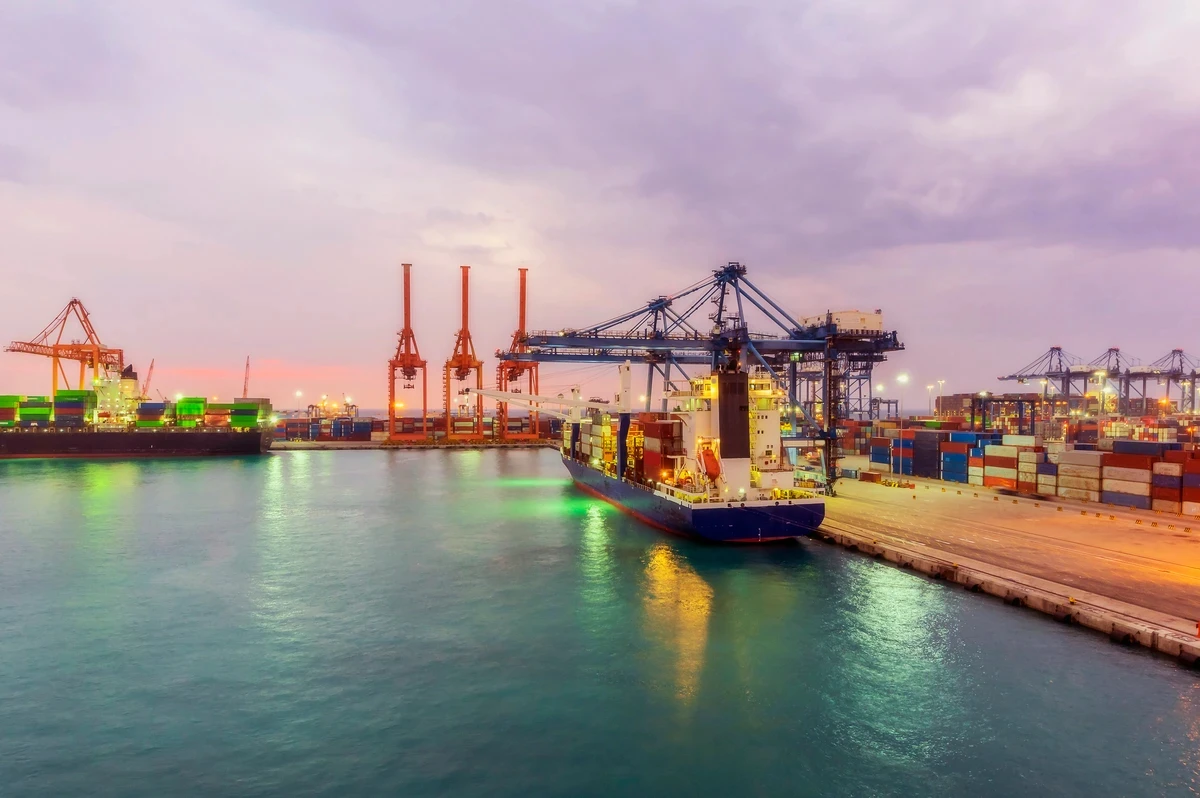

Saudi Arabia’s efforts to expand its non-oil exports are gathering pace against an increasingly complex global trading landscape.
As businesses navigate shifting trade dynamics, geopolitical uncertainty and supply-chain disruptions, access to financing, effective risk management and international partnerships has become increasingly important in strengthening their competitiveness and expanding their reach.
Under Saudi Vision 2030, widening the international reach of Saudi products is central to the Kingdom’s broader strategy of economic diversification and deeper integration into global markets.
A major milestone in this effort is the more than SR150 billion ($40 billion) in cumulative credit facilities extended by the Saudi Export-Import Bank since its establishment. Beyond the scale of this achievement, it highlights the growing importance of export financing, guarantees and credit insurance in enabling Saudi businesses to pursue opportunities and compete in international markets.
Affiliated with the National Development Fund, Saudi EXIM was established to support the Kingdom’s non-oil export ambitions by addressing financing constraints and enhancing the competitiveness of Saudi products abroad.
The pace of the bank’s expansion is particularly noteworthy. Having reached SR100 billion in cumulative credit facilities, Saudi EXIM provided a further SR50 billion within just 18 months. This acceleration reflects the expanding financial support available to Saudi exporters as they seek to strengthen their international presence.
The significance of this achievement, however, extends beyond the volume of facilities provided. Its broader importance lies in addressing the financial and commercial barriers that can prevent otherwise competitive businesses, particularly industrial exporters, from entering new markets or expanding their overseas operations.
For industrial exporters, one of the principal challenges is the substantial upfront expenditure involved in fulfilling international orders. Raw materials, production, logistics and shipping costs must often be covered well before payment is received from overseas buyers.
The possibility of delayed or non-payment presents an additional obstacle, potentially discouraging businesses from accepting larger orders or venturing into unfamiliar markets.
Access to appropriate financing and risk-mitigation instruments can help overcome these constraints, allowing exporters to pursue international opportunities while managing the financial uncertainties inherent in cross-border trade.
Export credit insurance, in particular, helps protect businesses against the risk of non-payment, while financing and guarantees provide the funding and financial backing required to fulfill international orders. Collectively, these instruments enable exporters to manage commercial risks, meet customer requirements and expand their operations across international markets.
The value of such financial support becomes even more pronounced amid geopolitical uncertainty and disruptions to global trade.
Heightened tensions across the Middle East and disruptions to strategic shipping corridors have exposed vulnerabilities in maritime trade and international supply chains. For exporters, uncertainty over shipping routes can translate into longer transit times, higher freight and insurance costs, and mounting pressure on delivery schedules.
These challenges demonstrate that expanding non-oil exports involves considerably more than securing access to new markets. It also requires businesses to strengthen their resilience, manage cross-border risks and maintain dependable access to international customers despite disruptions to trade routes and supply chains.
Against this backdrop, Saudi EXIM’s role extends beyond financing individual export transactions. International partnerships, access to financial networks and stronger risk-management capabilities are becoming increasingly important for businesses seeking to establish a lasting presence in global markets.
By combining financial solutions with international cooperation, the bank is helping reinforce the wider export ecosystem, enabling Saudi companies to move beyond domestic markets and develop enduring commercial relationships abroad.
Seen in this light, the SR150 billion milestone represents more than the cumulative value of credit facilities extended. It reflects the growing availability of financial instruments tailored to exporters’ needs and designed to facilitate their participation in international trade.
Although the volume of credit facilities demonstrates the expanding scale of support, their longer-term economic value will ultimately depend on how effectively they enable businesses to overcome financing constraints, manage commercial risks and strengthen their international competitiveness.
Ultimately, the success of Saudi Arabia’s non-oil export strategy will be determined not merely by the value of goods shipped abroad, but by the ability of Saudi businesses to establish a sustained presence in global markets and remain competitive through periods of international disruption.
Through its financing, guarantees, export credit insurance and international partnerships, Saudi EXIM is helping build the financial infrastructure required to advance this objective. In doing so, the bank is contributing to a more diversified, globally connected and resilient Saudi economy while supporting a central objective of Saudi Vision 2030: strengthening the competitiveness of non-oil exports and broadening their presence in international markets.


