The Haj Ministry plans to introduce a comprehensive electronic data system to improve service to foreign pilgrims next year.
Haj Minister Bandar Hajjar said: “We hope officials of Haj affairs in other countries will be well prepared to implement and meet system requirements.” The new system would reduce time and ensure transparency, he added.
He said Saudi Arabia would continue to implement mega development projects in Makkah, Madinah and the holy sites to handle the growing number of pilgrims who come for Haj and Umrah.
He said the largest expansion of the Prophet’s Mosque in history will increase its capacity to more than two million worshippers and would begin in two weeks.
“The project will take two years to complete and will be ready before Haj in 2014,” the minister said. The expansion of mataf, or the circumambulation area around the Holy Kaaba, would increase capacity from 40,000 to 118,000 pilgrims per hour.
The minister answered questions on the issue of Syrian pilgrims who came for Haj and whether they would be allowed to stay in the Kingdom until things return to normal at home. Hajjar said: “This matter does not come under the Haj Ministry’s jurisdiction. Our duty is to extend the necessary services to pilgrims from the time of their arrival until their return.”
He said the Kingdom extended help to Syrians who wished to perform Haj this year.
“But the Syrian government applied delaying tactics. Then Custodian of the Two Holy Mosques King Abdullah directed us to issue Haj visas to Syrians living in Turkey, Lebanon, Jordan and other countries.”
The King allowed Haj flights carrying Syrians to land at Jeddah airport even after the deadline for arrival of foreign Haj flights. Hajjar said the ministry provided accommodation to all Syrian pilgrims.
The minister addressed complaints against Haj service companies saying his ministry has a plan to solve these issues by linking the issuance of Haj and Umrah visas to services. “The new electronic data system will let them know what kind of services they can expect in the Kingdom before they arrive.”
He stressed the importance of increasing Haj awareness of foreign pilgrims by encouraging Haj authorities concerned to conduct their own awareness campaigns.
The minister wants the inclusion of social media websites in the Award for Best Haj Report. “I will propose including social media websites for the award and if the panel agrees it will be included next year.” He commended the role of the media in improving Haj services through their objective criticism.
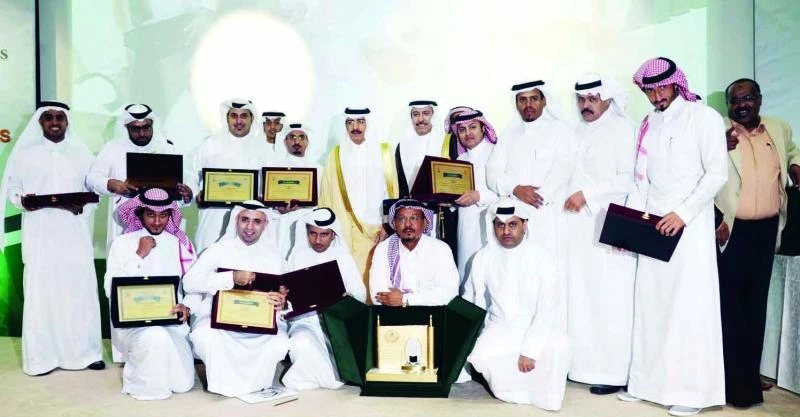
Hajjar distributed media awards for the best Haj coverage in 2011. The recipients were Abdul Aziz Al-Suwaid, Al-Hayat; Lubna Al-Khamis, Al-Jazirah; Al-Riyadh Arabic daily for the best coverage; Tarik Al-Thaqafi, Asharq Al-Awsat; Yasser Baamir, Al-Watan; Naeem Al-Hakeem, Okaz; and Faiz Nuruddin, Okaz for best photo. Khaled Ahmed, Al-Watan; and Ali Al-Ghamdi, Al-Madinah shared the prize for the best cartoon. Saudi Press Agency and Saudi Television were given special awards for their coverage.
Electronic data system to improve Haj services