JEDDAH: The Islamic Development Bank has served the pilgrims for the past 34 years during Haj through provision of livestock which meets legal and health requirements.
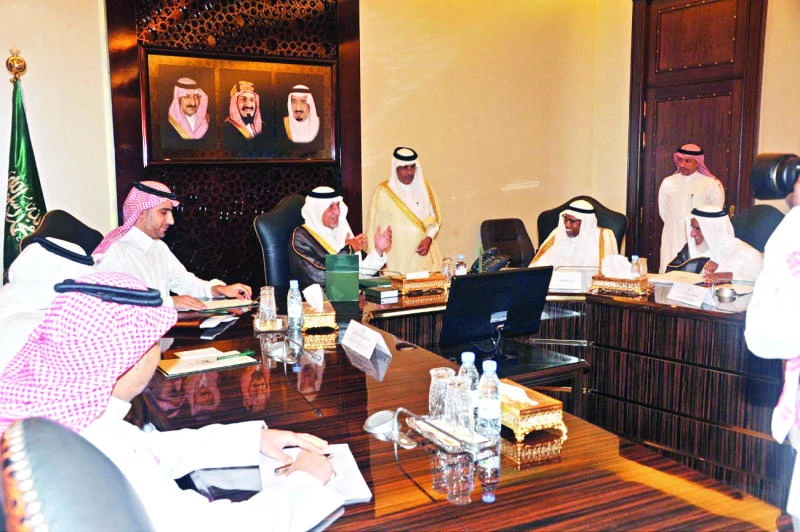
For this year, Prince Khaled Al-Faisal, adviser to the Custodian of the Two Holy Mosques and governor of Makkah region, reviewed the executive mechanism for the application of the Islamic Development Bank (IDB)’s project on the electronically sale and distribution of bonds of sacrificial meat on Wednesday. The meeting was held between Prince Khaled and Ahmad Mohamed Ali, president of the bank, and representatives of relevant authorities.
IDB is to apply this project during this year’s Haj following the advice of directives to stop dealing in paper bonds. Ali explained that the electronic bonds mechanism will help in limiting any negative practices and stop the sale of paper bonds. Ali also explained the current procedure of the sale of bonds and distribution of Haj meat under the supervision of IDB.
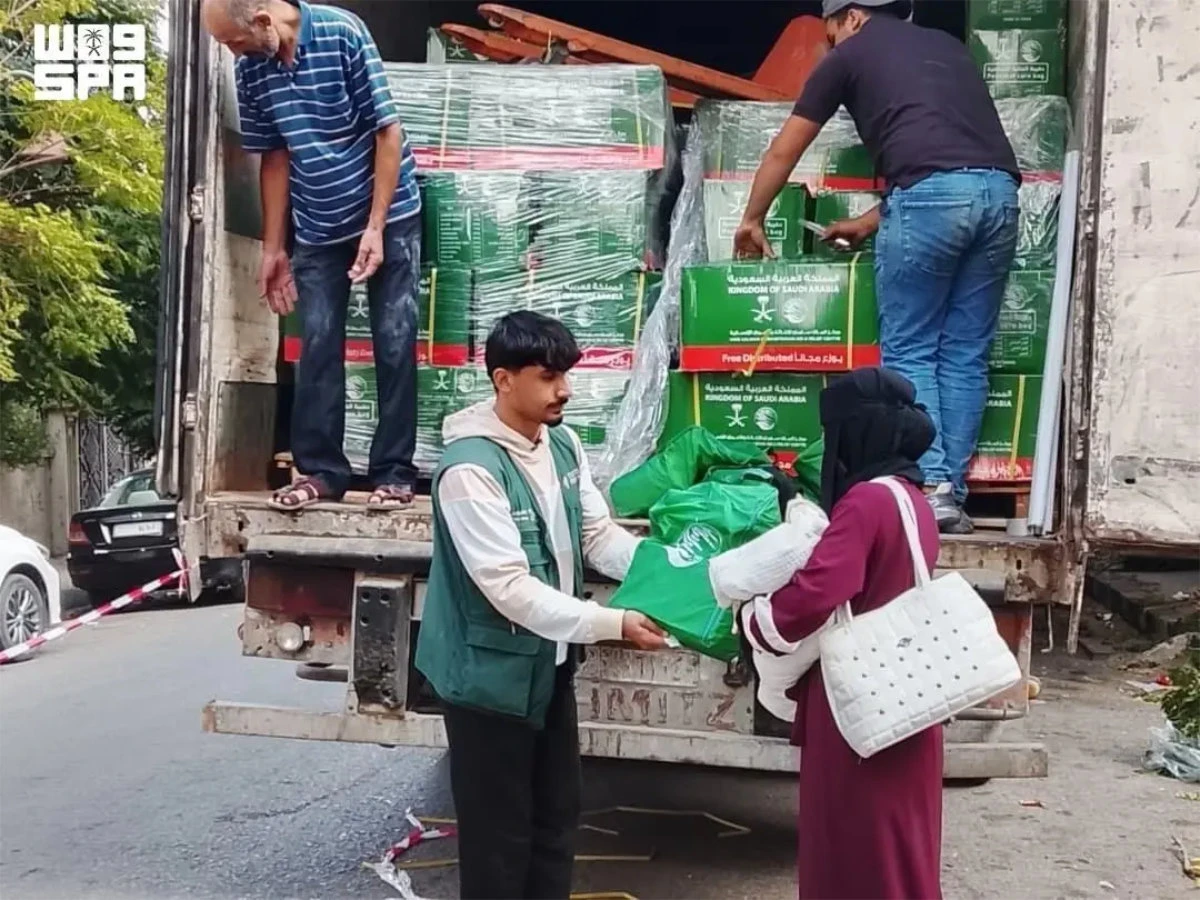
He said the project comes within the framework to facilitate the pilgrims and prevent any exploitation of the rituals and religious rites. The sale for Adahi, Hadi, Charity, sacrificial animals bonds will be issued strictly electronically by the company’s employees, who will carry identifying cards with the project logo. IDB directly supervises the distribution of the sacrificial meat to the poor and needy and that excess supplies had been distributed to charitable organizations throughout the Kingdom and beneficiaries around the world.
He said IDB electronic sacrificial meat bonds sale project is a quantum leap in the context of ensuring safe pilgrimage and make it easier for pilgrims to perform the ritual of sacrifice without obstacles and constraints.
The project aims to distribute the meat to the poor and deserving, provision of livestock which meets legal and health requirements, besides maintaining the safety and cleanliness of the holy sites. Some 400,000 butchers and administrators are currently working under the project in addition to 800 veterinarians and 800 observers to ensure that health and religious conditions are met. The prince watched a practical trial of electronically bond sale procedure.
Electronic sale of sacrificial meat bonds starts this Haj