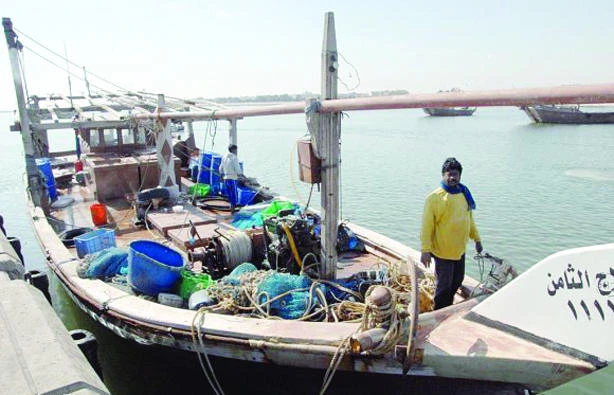
JUBAIL: A meagre 10 percent of Saudi fishermen is seen on small boats that remain in the sea for a day. However, there are no Saudis at all on bigger boats because the expeditions last for five to 10 days and they don't find it economically viable.
Ship captains used to enjoy power and prestige in the community, as they were responsible for recruitment of those interested in working in the field of sailing. Fishermen say that Saudi citizens’ reluctance to work in the field of fishing has opened the door for non-Saudis, and they have taken control of this profession.
In an attempt to find solutions, experts have called on the authorities concerned to organize festivals and cruises on this profession so that the younger generation understands its importance.
The experts have said that generation next should know the efforts made by their ancestors to maintain this significant profession, which was one of the most important economic resources in the region, before the economic boom preceded by the industrial revolution.
Fisherman Ahmad Turki said that fishing has become an undesirable profession among the youth, as they refuse to venture into the sea for days or weeks. “Staying away from families for so long is worthless because this profession is economically unviable in view of rising prices.”
Another fisherman, Mansour Al-Halal, said that most Saudi youths have no patience to stay in the sea under tough weather conditions for weeks. “And the temptation of comfortable jobs available in companies seems to be a better option.”
He said that many boat owners were forced to hire foreign workers. “But the foreigners are more keen on making money than preserving the environment the profession, as they flout rules and cause destruction of fish reproductive areas.”
Speaking on small fish quantities, Al-Halal said: “Over-fishing, backfill and a reduction in marine areas have contributed to the decline in the number of Saudi fishermen who seek to provide a decent life to their families.”
He blamed the authorities concerned for ignoring the royal decrees issued in 1982 on protection of the coasts as they are one of the most important economic resources.
“Regrettably, many fish and shrimp hatcheries have been converted into housing units, or waterfronts, leading to a shortage,” he added.
Fading trade: Young Saudis shy away from fishing