- For both women, volunteering at Rahma Animal Rescue Shelter in Riyadh has become an act of self-fulfillment
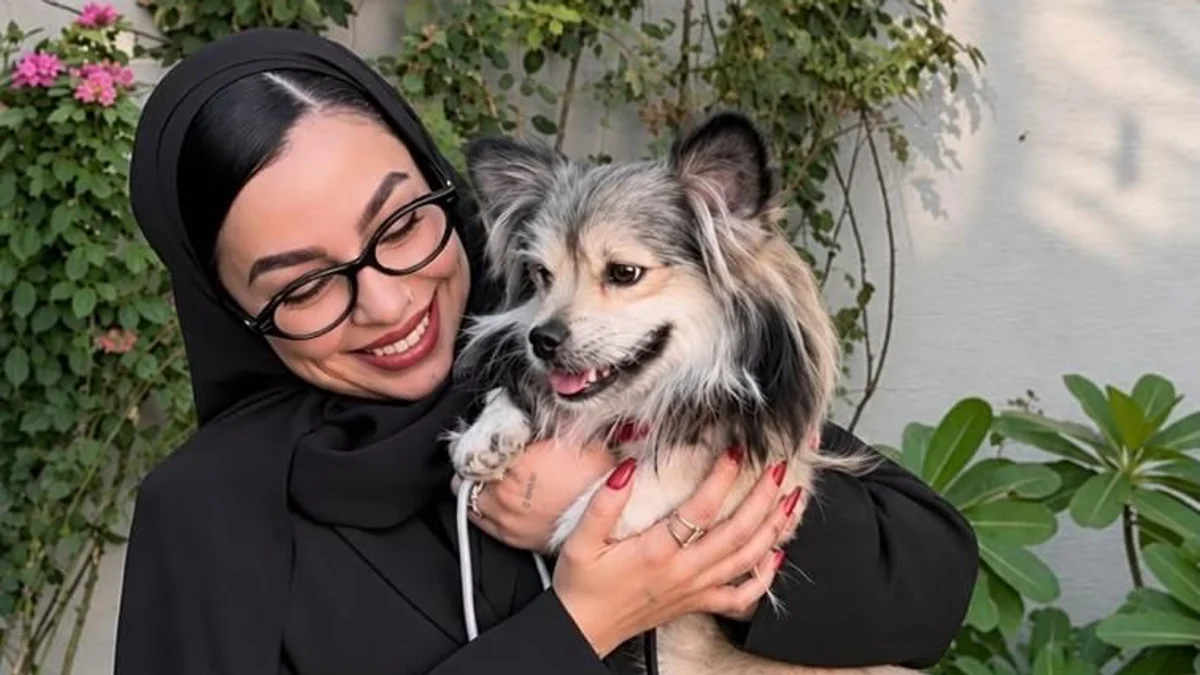
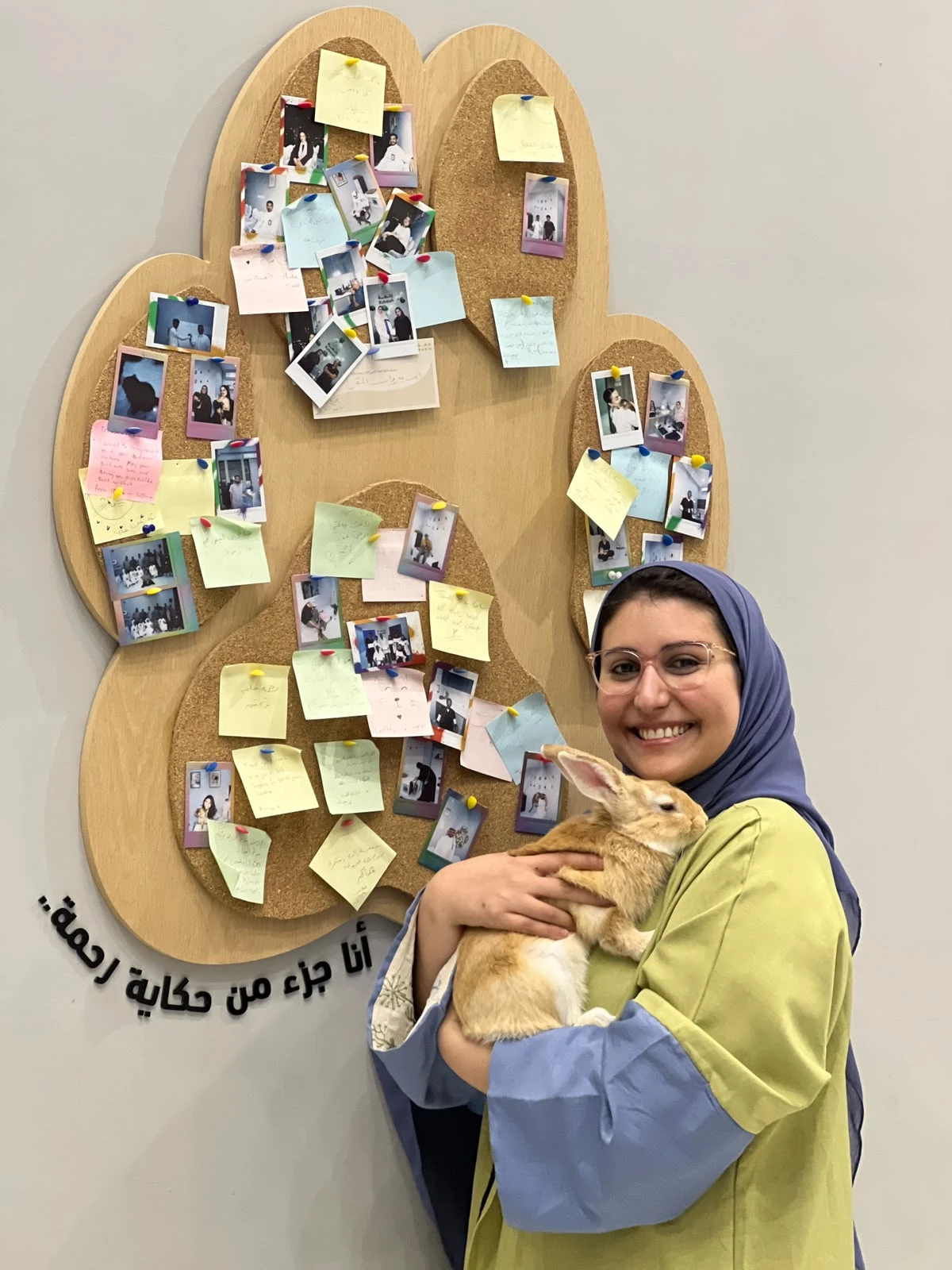
RIYADH: By day, Manal Al-Assaf works as a partnerships consultant, while Faee Al-Malaq is a data analyst and an MBA student. Outside those roles, the two dedicate their time to rescuing abandoned animals, finding them warm homes in Riyadh and encouraging others to join their cause.
For both women, volunteering at Rahma Animal Rescue Shelter in Riyadh has become an act of self-fulfillment, a way of finding true companionship with animals and an opportunity to advocate for greater animal welfare in the Kingdom and worldwide.
An animal lover and pet owner who has always bonded with animals more than humans, Al-Assaf only started her animal rescue journey this year after seeing a Reddit post about an abandoned rabbit trapped on the street in a birdcage.
The rabbit had a broken bone, burns and fleas, and was severely malnourished. Unable to ignore his condition, Al-Assaf contacted the woman who posted the pictures, collected the rabbit and took him to a veterinarian. She then cared for him at home until he recovered and could be adopted and named him Iris after the national flower of Palestine, to symbolize his resilience.
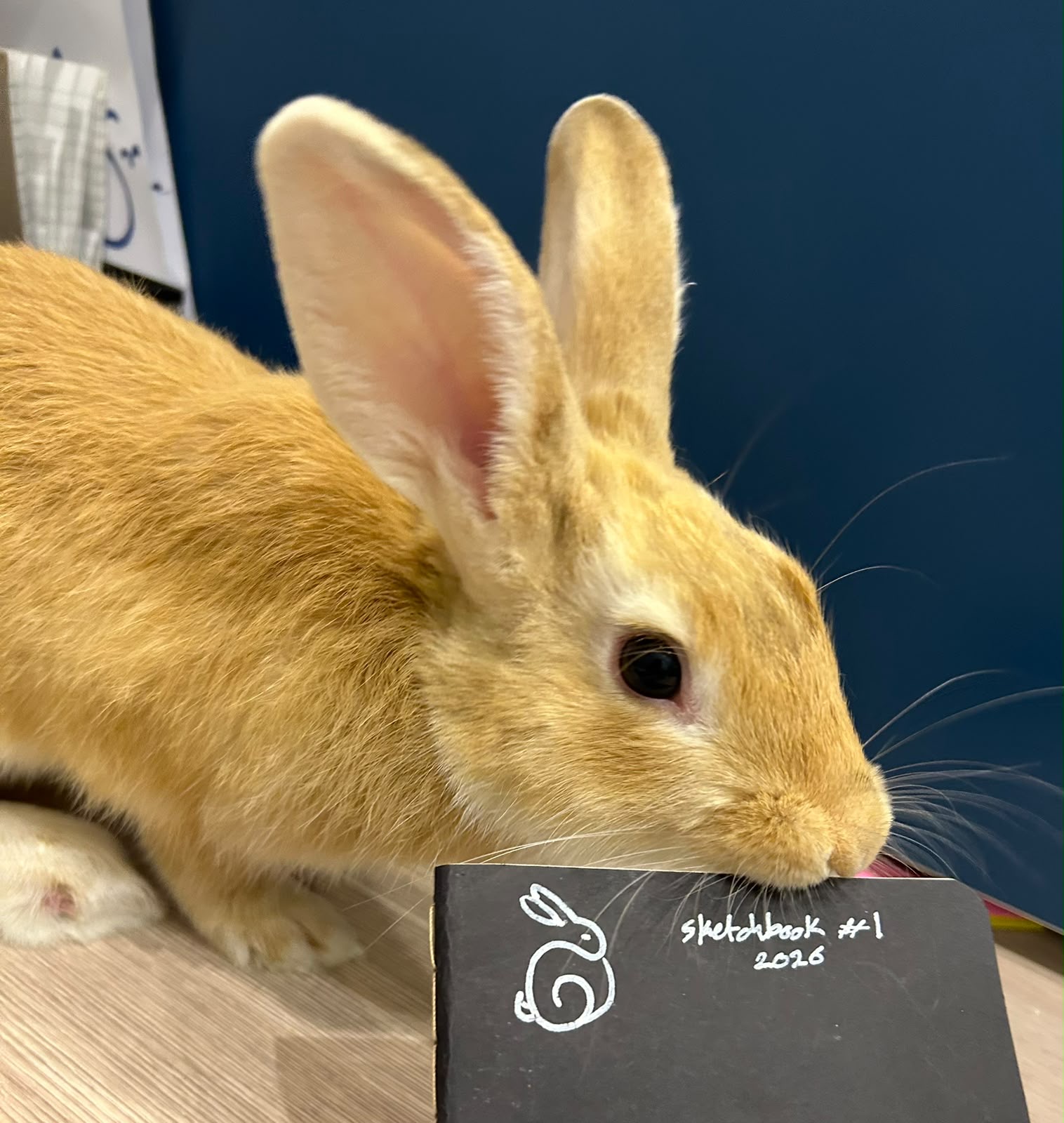
“I realized through him that really every life is worth saving. There’s not a single life that doesn’t deserve to exist. I don’t even kill bugs. That’s how dedicated I am to this. And because of him, I decided that I wanted to start my own shelter,” Al-Assaf told Arab News.
She initially planned to establish her own nonprofit organization to rescue different species, including cats, dogs, rabbits, birds and others that are harder to care for in general shelters. However, after meeting the founder of Rahma, she decided to volunteer and contribute her ideas and experience, hoping to extend its role beyond rescuing and treating animals and turn it into a community and advocacy space for animal welfare.
For Al-Malaq, animal rescue has been part of her life for 12 years. Her first rescue came at 18, when she found a cat with an injured eye beneath a car. With financial help from her grandparents, she arranged the cat’s treatment and eventually found it a warm home.
She continued to rescue cats and dogs and search for adopters independently for years, but the financial and emotional demands eventually led her to stop for three years.
“When I started here, it was the beginning of changing my life, because I had stopped rescuing animals for three years. But then I came back with Rahma. They gave me a lot. I wasn’t living through a good phase of my life. But when I came back, I came back to joy and peace,” she said.
Al-Malaq initially volunteered to care for the animals before taking responsibility for adoption management as well as coordinating volunteers. Al-Assaf describes her as “a jack of all trades.”
Among the animals Al-Malaq has cared for is Hope, a husky found in August at an open market in Riyadh, who had stopped eating and was in poor condition. For six months, she devoted herself to his recovery, feeding him, holding him and helping him regain his strength.
“I spent a lot of time, around six months, holding him. He was around 16 kg. I started having back injuries from holding him, but I didn’t care about any of this. I was hoping that he would survive. That’s why, after all, I named him Hope.”
Hope has been at the shelter for two years. Several potential adopters have been interviewed but none were considered suitable to meet a husky’s needs.
Al-Malaq says finding responsible owners is among the most demanding aspects of rescue work. She interviews applicants, assesses their ability to care for an animal and matches them with suitable pets. Despite her attachment to Hope, she hopes he will eventually find a permanent home.
“I am so passionate about giving more, and whenever I’m tired, I come back. I cannot stop,” she said, adding the experience has also helped her overcome social anxiety and develop confidence in dealing with people.
Beyond her own involvement, Al-Malaq is especially interested in encouraging young people to volunteer. She explained: “The young volunteers are the future. I want to influence them as much as I can because they are the future. If you invest in them, they will do great things. They will do good for people, and they will continue to influence more people. So, if you do all of this work with them, the future will be good.”
For Al-Assaf, volunteering also offers an exciting opportunity to bring her creative interests into animal welfare. She hopes to transform Rahma from a rescue shelter and veterinary clinic into a community space that brings people closer to animals through education, art and social activities.
The shelter already hosts a monthly cat cafe, where visitors can enjoy fresh coffee surrounded by rescued cats and potentially adopt them. With the support of partners and donors, she hopes to organize book clubs, art workshops and crochet circles where visitors can socialize with rescued animals and potentially adopt them.
She also plans to introduce educational school visits featuring selected rescued animals as ambassadors, teaching children about animal welfare, biology and conservation. Among the proposed ambassadors are Shams, a sociable rabbit, and Romana, a dog who was shot but remains affectionate towards people.
Other plans include a children’s book inspired by the animals’ rescue stories and a fundraising campaign offering hand-drawn pet portraits by Al-Assaf to donors or adopters.
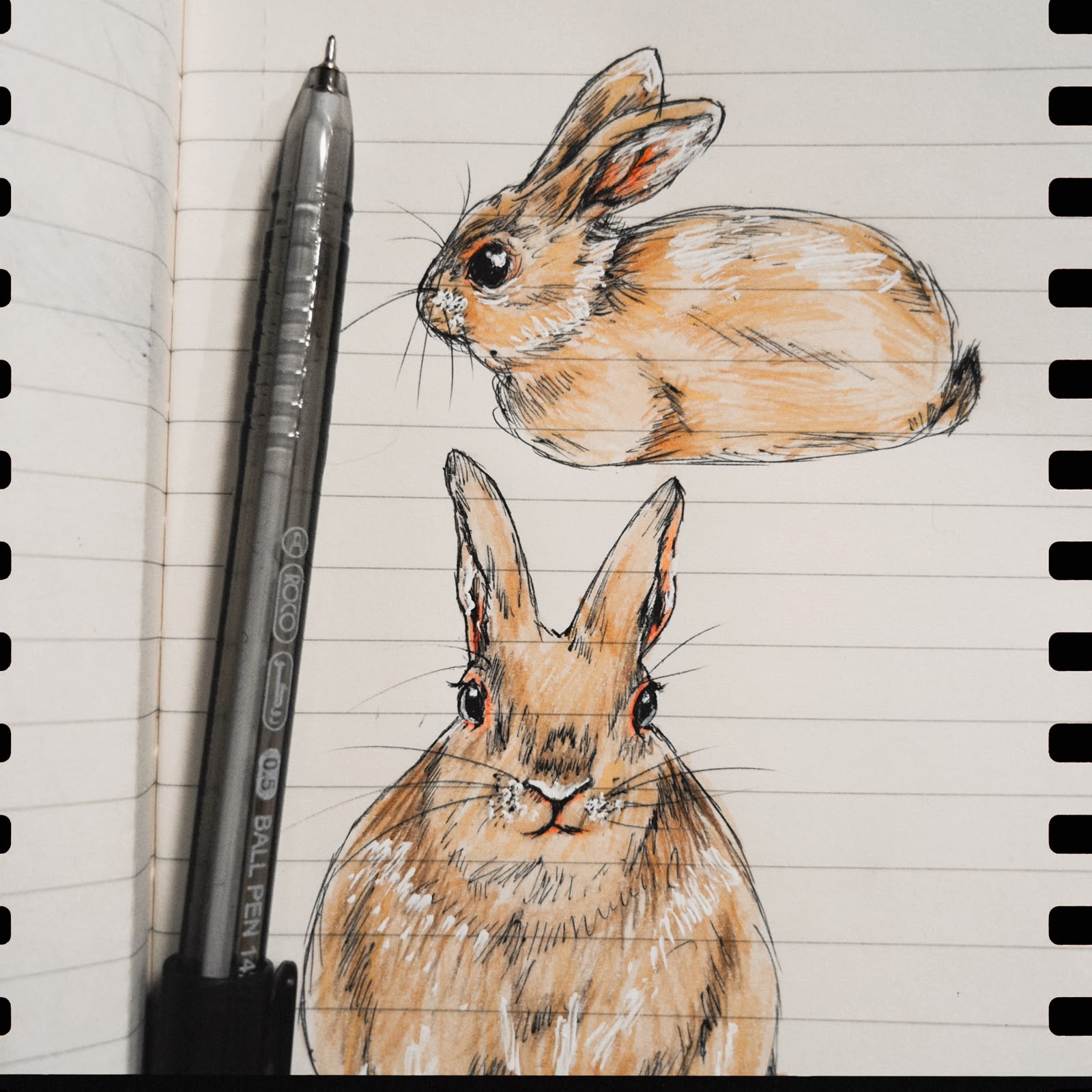
Al-Assaf continues to encourage the establishment of more rescue organizations. She said: “The more organizations that come up and do the same thing we do, the more we see it as help, not competition. We cannot physically take every rescue case. It is very difficult and very financially draining. We need all the help we can get.”
The shelter relies on donations to support veterinary treatment, daily care and its trap-neuter-release program for stray animals.
Rahma is also on a mission to offer a symbolic adoption initiative through which donors could receive photographs and videos documenting the recovery of individual animals. Donors are also welcome to visit the animals in situ, so they can enjoy seeing them without the responsibility of taking them home.
Both Al-Assaf and Al-Malaq also call for the commercialization of animals to be stopped, emphasizing the health risks breeding can cause.
“Pay attention to the stray dogs (and cats) that we rescue. I know they’re mixed breeds, but they’re so special. People pay a lot of money because they want a particular breed, a poodle, a German shepherd, a husky, whatever. I always tell people to please adopt rescues, mixed breeds. They are the kindest, sweetest, most loving animals. They will give you a lot of hugs,” Al-Assaf said.
“At the end of the day, we only live one life, so why would you want to leave it without doing some good in the world?”