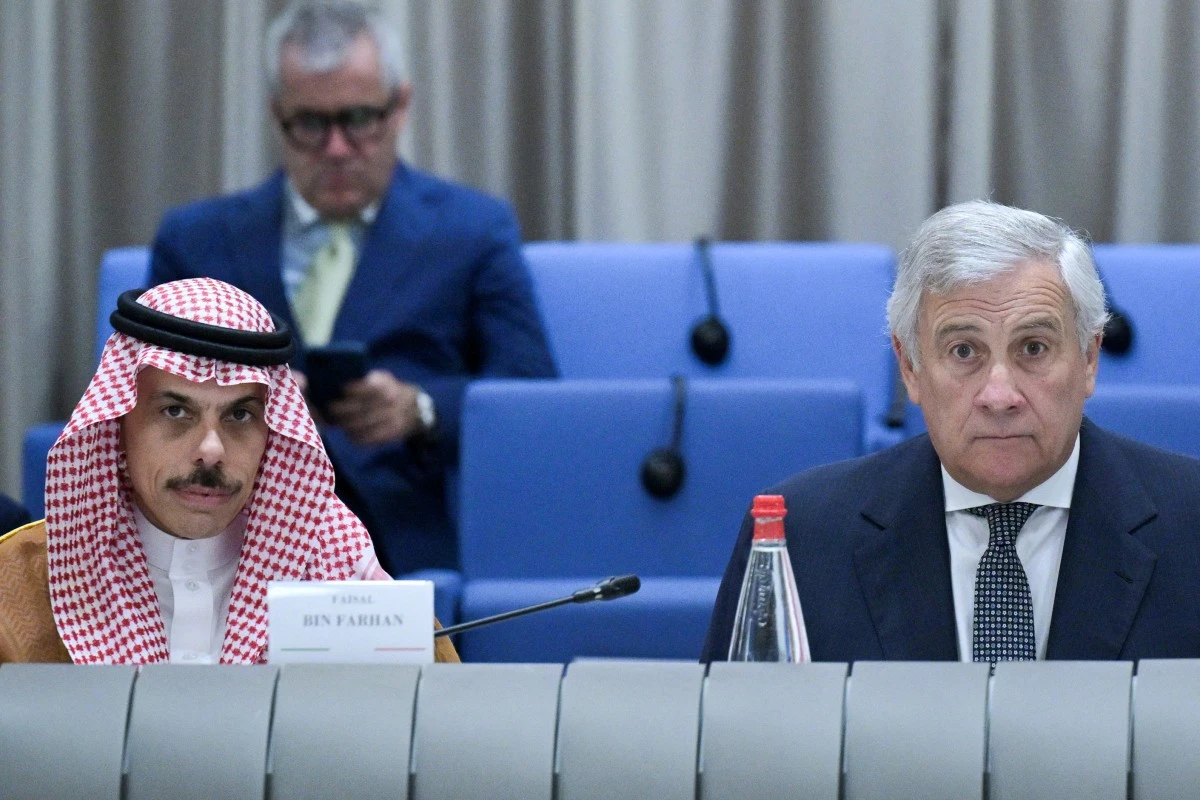
With the labor cooperation pact for domestic workers with Saudi Arabia under its belt, India is now looking to forge a comprehensive labor agreement with the Kingdom.
“Labor Minister Adel Fakeih and India’s Foreign Affairs Minister Salman Khurshid, after signing the domestic workers agreement in New Delhi on Thursday, discussed on Friday a proposal for a comprehensive accord that would cover all categories of workers,” Sibi George, deputy chief of Indian mission, said over telephone from New Delhi to Arab News.
“A comprehensive agreement will further facilitate deployment of Indian workers in the Kingdom,” George said, while referring to the wide-ranging talks between Fakeih and Khurshid. The diplomat, who also attended the talks, said a comprehensive pact will ensure wider protection to workers of all categories, including white-collar workers. This will also drastically reduce instances of abuse, he added.
During the meeting with Khurshid, the labor minister appreciated the role of the Indian Embassy and its consulate in Jeddah in “judiciously using the amnesty period to legalize the status of undocumented workers.”
Ahmed F. Al-Fahaid, the Kingdom’s deputy minister for international affairs, and Saudi Ambassador to India Saud Al-Sati also participated in the talks in New Delhi.
Asked about the specific topics that came up for discussion between Fakeih and the Indian minister, George said: “A whole range of bilateral issues with special reference to a proposal to forge closer cooperation in higher education sector were discussed by the two sides.”
He said Riyadh and New Delhi shared common concerns for Indian workers, who remitted $8.4 billion to their country last year.
He said Saudi Arabia came close behind the US in expats sending most remittances to their country.
The Kingdom and India are close allies and also share a heritage that dates back several millennia. Although relations between the two countries exist since the establishment of Saudi Arabia, Saudi-India diplomatic relations were formally established in 1948 and upgraded fully in 1954. Saudi Arabia continues to be a land of opportunity for Indians.
Indians benefited the most from the amnesty scheme with 1.4 million expats getting their residency and work status legalized. There are about 2.8 million Indians in Saudi Arabia and they constitute the biggest group of migrant communities. Bilateral economic relations have shown remarkable growth with trade registering three-fold increase in the last few years. Today, Saudi Arabia is the fourth largest trading partner of India, and the two-way trade exceeded $43.78 billion in the 2012-13 fiscal year.
Arab News