JEDDAH: The Islamic summit, which recently concluded in Istanbul, welcomed the establishment of the Custodian of the Two Holy Mosques Program for caring for cultural heritage and the Saudi Commission for Tourism and National Heritage (SCTNH) in Saudi Arabia.
In their final communique, Islamic leaders stressed the importance of the Two Holy Mosques Program and its role for caring for cultural heritage which is the major component of the Kingdom’s identity.
The leaders further commended the key shift witnessed by the Kingdom in the area of national heritage through the SCTNH, which brought about a qualitative change in the perception of heritage and dealings of the state and local communities with it, which contributed to the establishment of a number of heritage projects Kingdom-wide.
The Two Holy Mosques Program for caring of cultural heritage represents a national and historical project, and is expected to bring about a qualitative shift in the programs and projects of national cultural heritage.
The program was approved by late King Abdullah and reapproved and expanded by King Salman, the leading man of history and heritage.
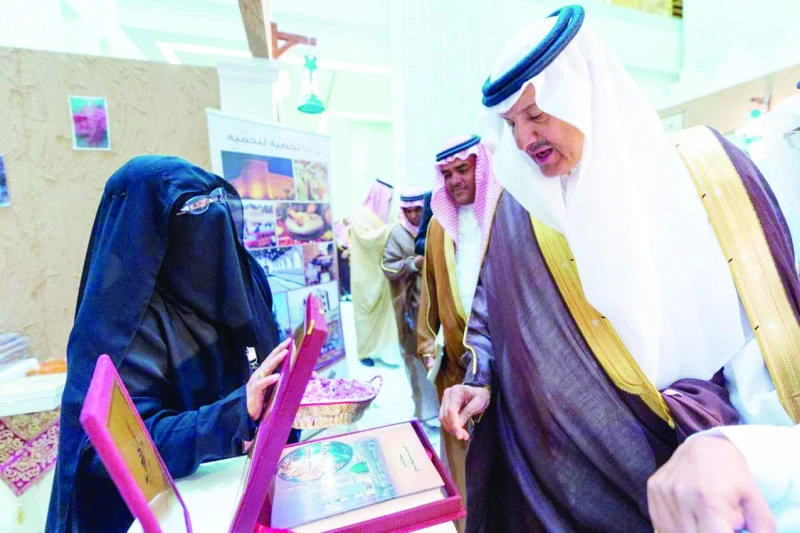
For his part, President of the SCTNH Prince Sultan bin Salman adopted the program and followed up on its details for being a national priority that has close links to the national identity in addition to its economic importance and its importance in highlighting Arab and Islamic identity.
The program, which is being carried out by the SCTNH in coordination with a number of government agencies, aims to protect, promote and develop components of cultural heritage and make it part of the life and memory of the citizen, and activate it within the daily culture of the community.
The program comprises more than 71 projects in the areas of antiquities, museums, urban heritage and handicrafts in addition to other projects which are being funded and implemented by SCTNH partners.
The program contains 10 areas including care for sites of Islamic history; establishment and rehabilitation of museums and archaeological sites in different regions; operation and maintenance of museums; preservation of urban heritage sites; development of heritage villages; registration, protection and exploration of archaeological sites; promotion of handicrafts; conducting awareness campaigns on national heritage; recruitment and promotion of human cadres to run national heritage facilities; and caring for cultural heritage functions.
In the next four years, a number of projects within this program are expected to be carried out including, among others, the opening of 18 museums Kingdom-wide, preparation of 56 archaeological sites and completion of developmental work on 26 heritage villages and 300 heritage buildings.
This system, which was issued on 9/1/1436, is meant to protect, document and maintain national heritage and encourage investment in this area.
To cope with the growing work in the area of urban heritage, the SCTNH set up the National Center for Urban Heritage (NCUH) in 2011. The center has undertaken a series of programs and projects related to urban heritage.
The government of the Custodian of the Two Holy Mosques has shown utmost concern over the preservation of Islamic historical sites and, accordingly, a royal decree has banned encroachment on Islamic historical sites in Makkah and Madinah. It also assigned the SCTNH to determine the number and location of these sites, which number 266 in Madinah and 118 in Makkah.
Islamic leaders commend KSA’s heritage programs