- Italian companies showcase products, food-processing technology, culinary expertise as growing trade, Saudi Arabia’s Vision 2030 ambitions create new opportunities
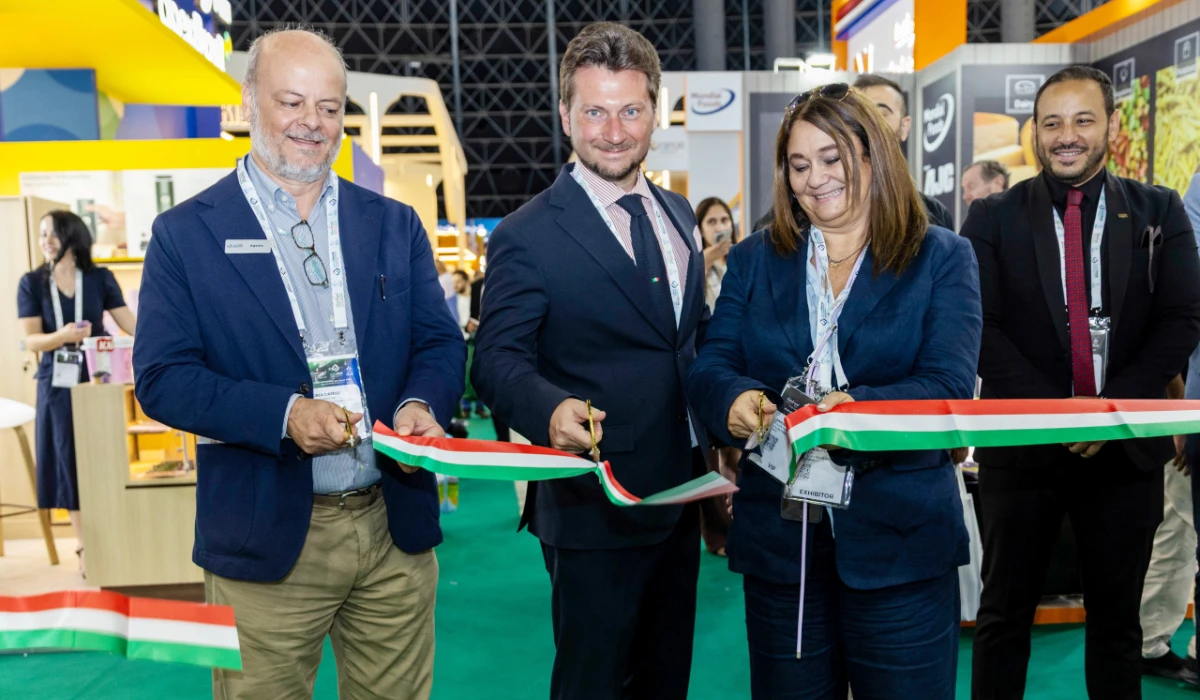
JEDDAH: Some 37 Italian companies were in Jeddah for The Saudifood Show 2026, building on agri-food exports to Saudi Arabia that approached SR2.2 billion ($587 million) in the first 11 months of 2025.
Seventeen companies exhibited food and beverage products at the show at the Jeddah Superdome, while 20 participated in Saudifood Manufacturing 2026, showcasing food-processing and packaging technologies.
The dual presence reflects Saudi Arabia’s efforts to expand its food manufacturing sector under Vision 2030, with Italy positioning itself as both a supplier of food products and a provider of industrial expertise.
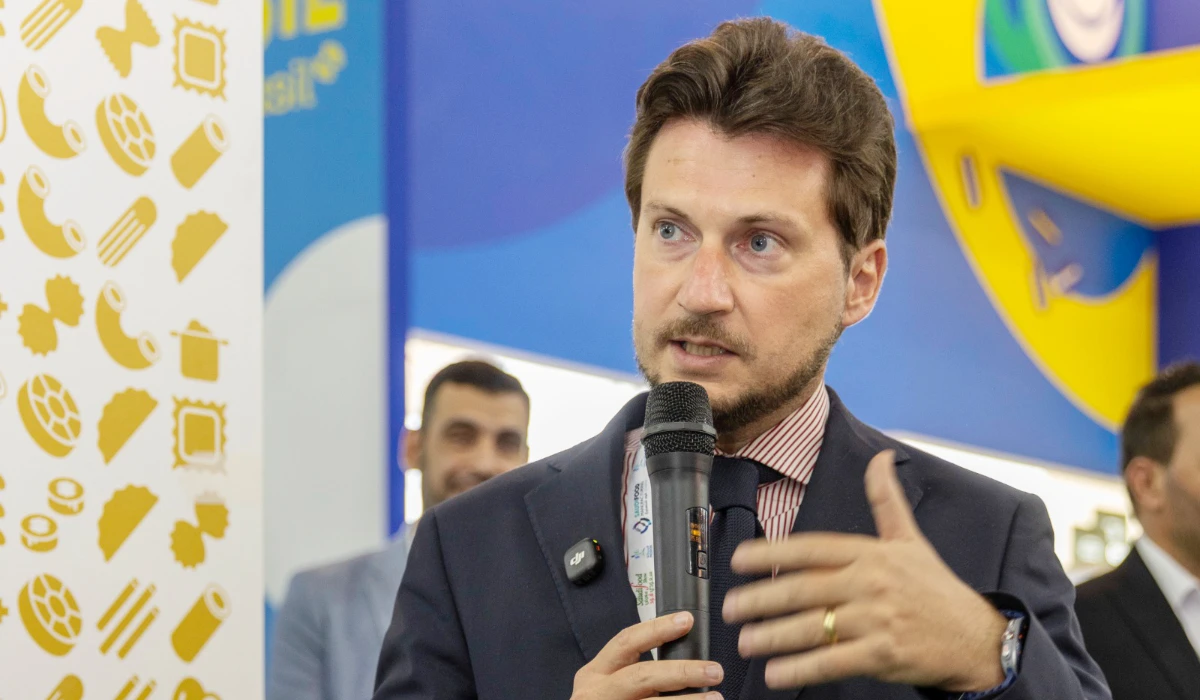
Marco Bocchi, Italy’s consul general in Jeddah, told Arab News: “Italy’s participation in The Saudifood Show represents an important opportunity to strengthen the already close relationship between Italy and Saudi Arabia, while introducing Italian companies and their products to a wider audience in the Kingdom.”
Bocchi, who assumed the role two months ago, said the growing commercial relationship was supported by strong cultural ties.
He added: “I have been particularly impressed by the similarities between our two cultures and the warmth of the relationships between our people. These strong cultural and personal connections provide an excellent foundation for deeper economic cooperation.”
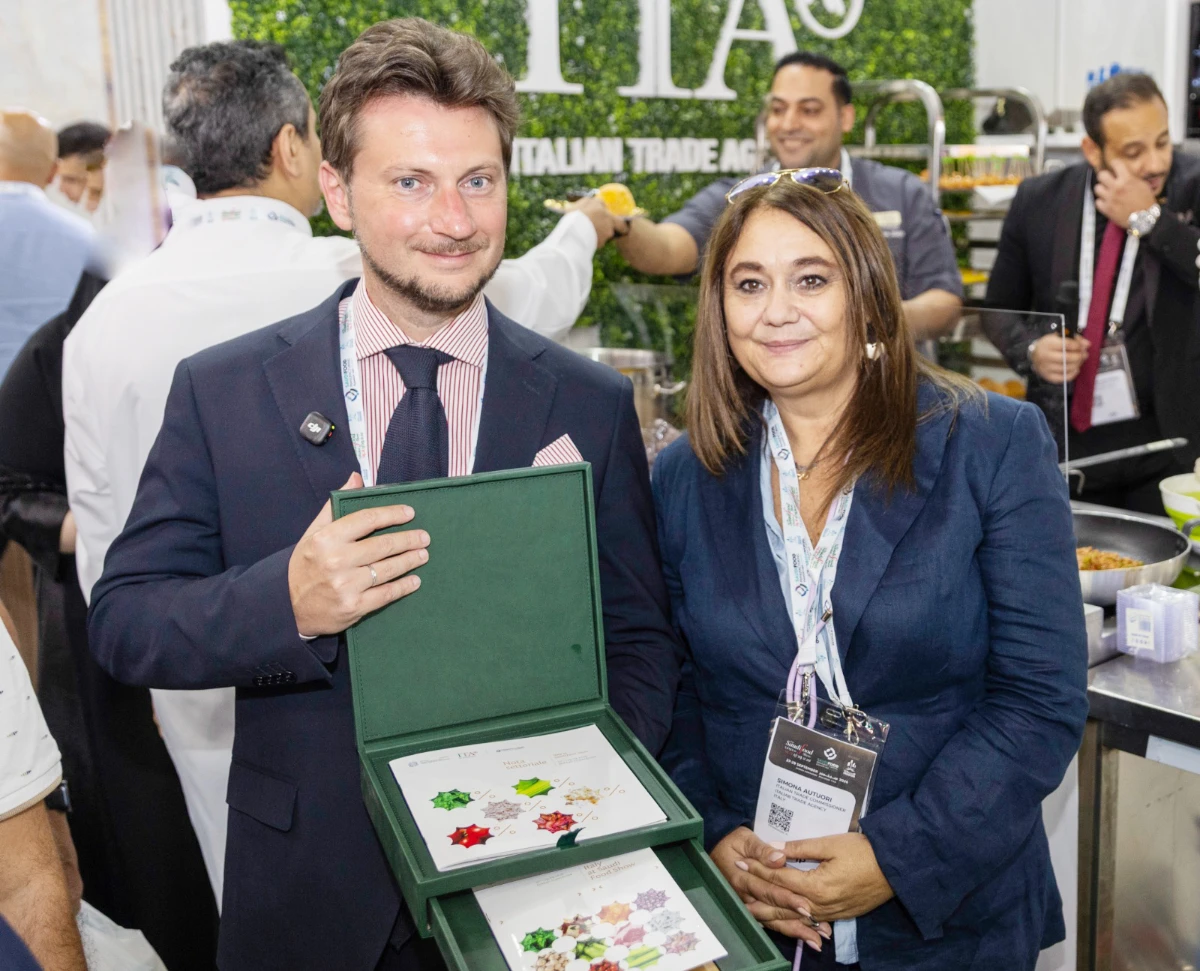
Simona Autuori, Italian trade commissioner and director of the Italian Trade Agency’s Riyadh office, said: “Saudi Arabia represents an increasingly important market for Italian food and beverage companies, supported by growing demand and the Kingdom’s continued investment in its hospitality and food industries.”
She said the Kingdom’s drive to strengthen domestic food production was creating new opportunities for Italian manufacturers, adding: “Saudi Arabia's ambitions to expand domestic food production create opportunities for Italian companies specializing in food processing technologies and industrial equipment.”
The market for industrial food and beverage processing machinery in Saudi Arabia reached about SR1.02 billion ($272 million) in 2024, an increase of more than 50 percent compared with the previous year.
Autuori said the agency helped Italian businesses navigate the Saudi market beyond trade exhibitions.
“Entering any new market requires a clear understanding of its commercial environment, regulatory requirements, and distribution networks,” she said. “We support Italian companies in understanding the Saudi market, identifying potential business partners, and establishing relationships that can support their long-term commercial development.”
From flour mills to packaging technology
Among the exhibitors at the event were milling companies Antimo Caputo and Molino Naldoni, which supply flour for pizza, bread, and pastry production.
The tomato and preserved-food sector was represented by Casalasco Societa Agricola, Compagnia Mercantile D’Oltremare, La Doria, Novi, and SICA, as well as ANICAV, the national association representing more than 100 Italian vegetable-preserving companies.
Other participants included confectionery producer Crispo, seafood specialist Rizzoli Emanuelli, parmigiano reggiano producer Societa Agricola Bertinelli Gianni e Nicola, and mineral water company Mangiatorella. Alifood, Natali Alessandro & Co., MB Consulting, and Seaside Foodlink represented sourcing and distribution, while Zilli & Bellini was flying the flag for industrial filling and packaging systems.
Culinary exchange
Beyond the exhibition halls, the Italian delegation highlighted culinary collaboration between the two countries.
Italian chef Simone Marchi, who has led culinary programs for Italian diplomatic missions abroad, joined Saudi chef and food developer Bedoor Badr for a cooking demonstration inspired by two national dishes.
Marchi told Arab News: “Our demonstration explored the relationship between Italian and Saudi culinary traditions through a creative interpretation of two familiar dishes: Italian arancini and Saudi kabsa.”
Saudi saffron and traditional spice blends were incorporated into arancini and lasagna, while Italian cheeses were used in Saudi-inspired dishes. The chefs also reimagined luqaimat in a dessert drawing on both culinary traditions.
Badr said: “Saudi saffron and traditional spice blends worked particularly well with Italian dishes. In return, Italian cheeses introduced new textures and depth of flavor, complementing the Saudi ingredients without overpowering them.”
Asked about the challenges of combining the two cuisines, the chefs said the similarities outweighed any differences.
Marchi said: “Italy and Saudi Arabia have something wonderful in common: both countries have incredibly diverse regional culinary traditions, each with its own ingredients, flavors, and identity. Italians and Saudis share a love of hospitality and celebration.”
Badr echoed that view, highlighting the diversity that characterizes both food cultures.
Bocchi said one of the key messages he hoped Saudi visitors would take away was the breadth of Italy’s regional cuisine, noting that the dishes most widely known abroad represented only a small part of the country’s culinary heritage.
The cooking program was held as part of the Week of Italian Cuisine in the World, the Italian Foreign Ministry’s annual initiative promoted through its diplomatic network. It follows UNESCO’s inscription of Italian cuisine on its Representative List of the Intangible Cultural Heritage of Humanity in December 2025, nearly 15 years after the Mediterranean diet was added.
Bocchi, who sampled the arancini, kabsa, and the fusion dish created by the chefs, said the collaboration demonstrated how naturally the two traditions complemented one another.
He said: “By sharing our ingredients, techniques, and culinary traditions, we can learn from one another while preserving the identities that make our respective cuisines distinctive.”