- Region’s fruit, grain and vegetable output supports resilient national food supplies
- Mangoes, papayas and staple crops help advance Vision 2030 food security goals
JAZAN: Jazan’s distinctive climate and fertile landscapes continue to make the region a cornerstone of Saudi Arabia’s food production, supporting a wide range of tropical fruits, cereals, oilseeds and vegetables across its coastal plains and mountain terraces.
Marking World Food Day on Oct. 16, the region’s agricultural output highlights its growing role in strengthening food security, supply-chain resilience and food-processing industries.
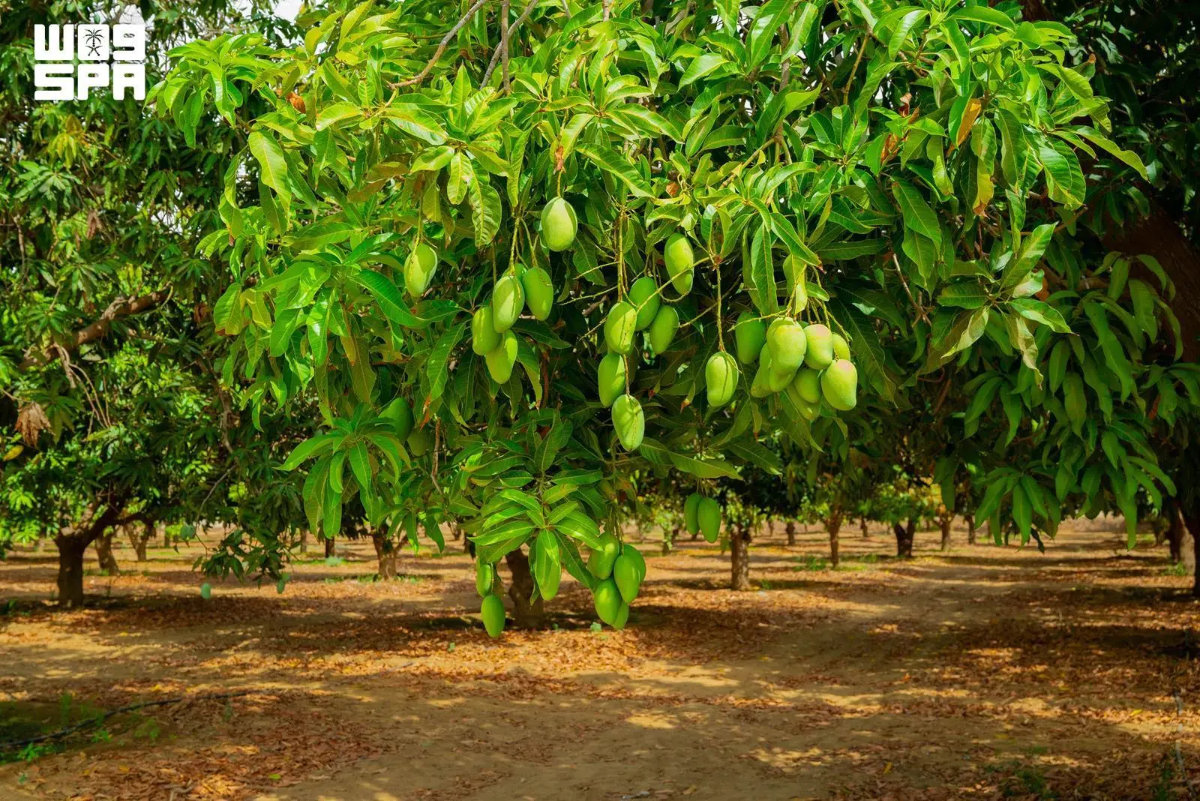
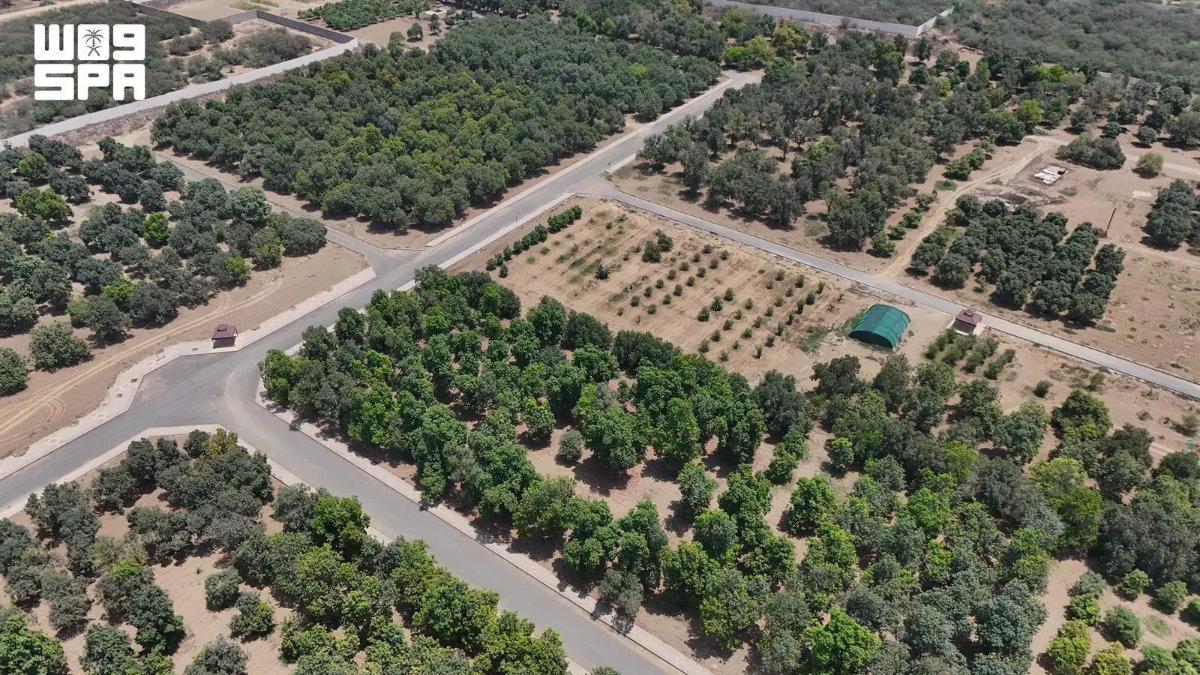
According to data from the Ministry of Environment, Water and Agriculture’s branch in Jazan, the region is home to around one million fruit-bearing mango trees that produce about 65,000 tons annually. The crop supports seasonal trade as well as sorting, cold-storage, packaging and juice-production activities.
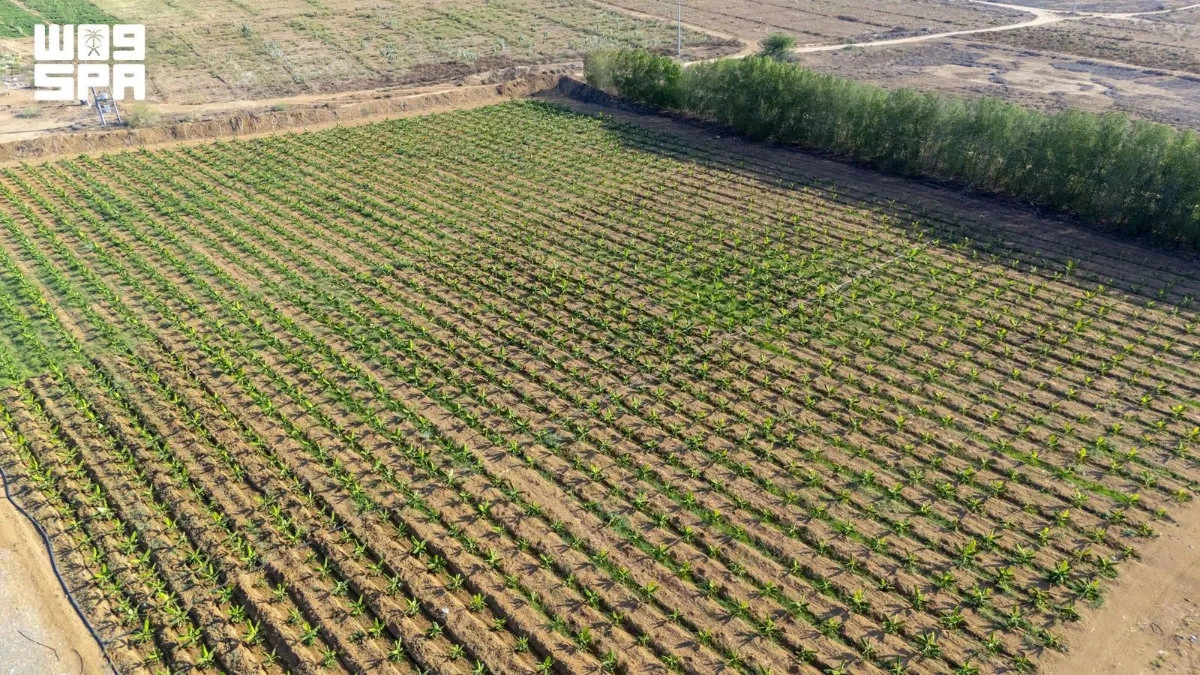
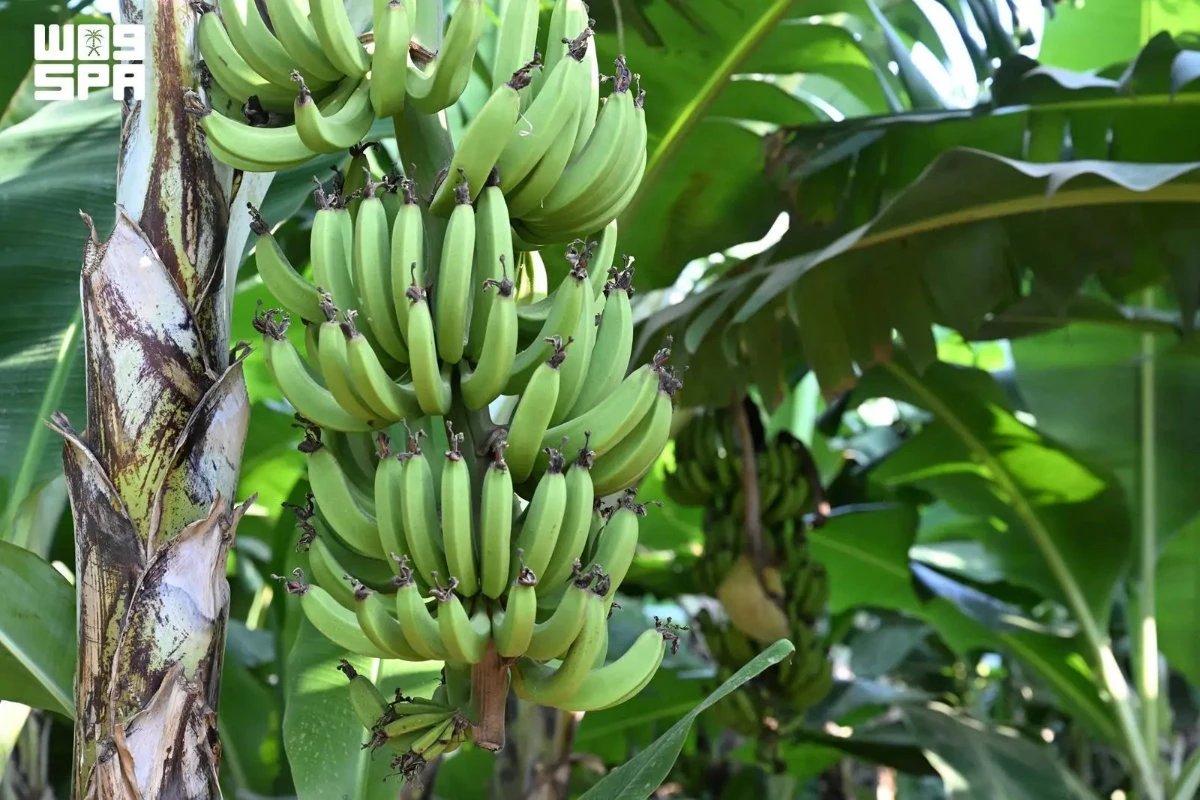
Jazan also has about 800,000 papaya trees producing more than 40,000 tons a year, while over one million banana trees yield around 15,000 tons annually.
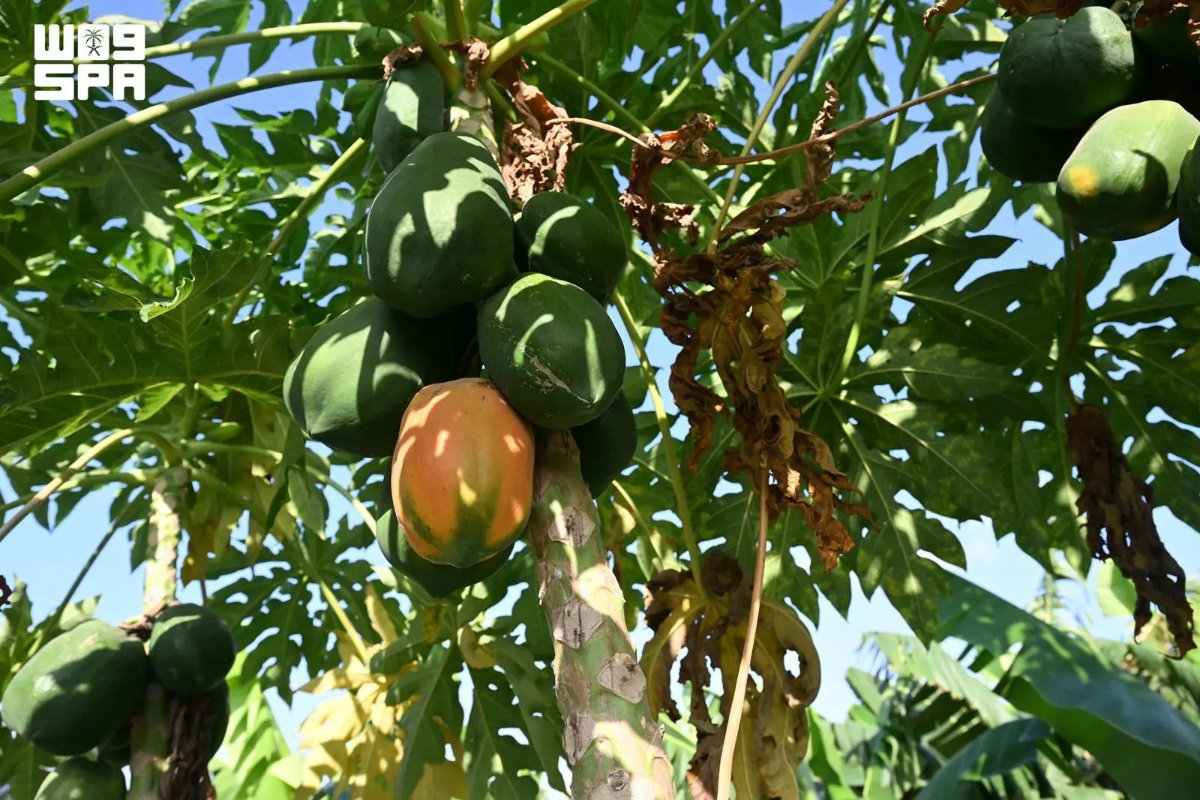
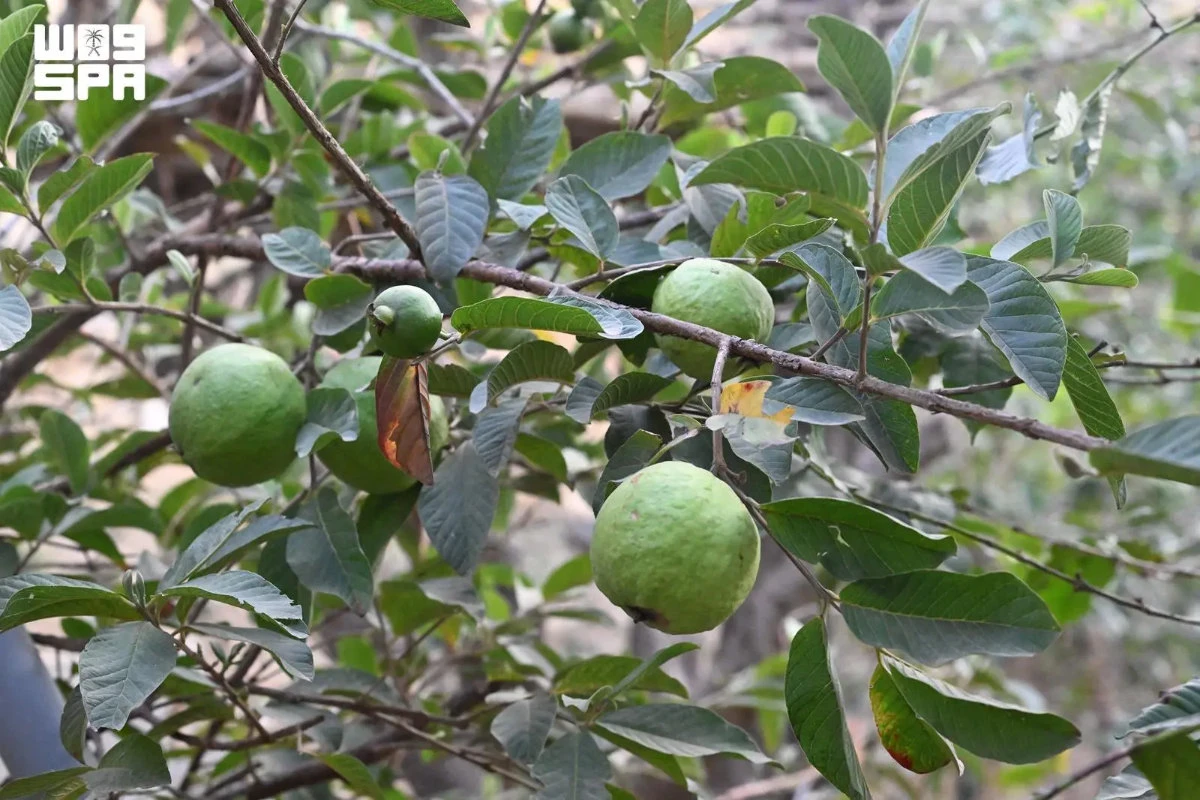
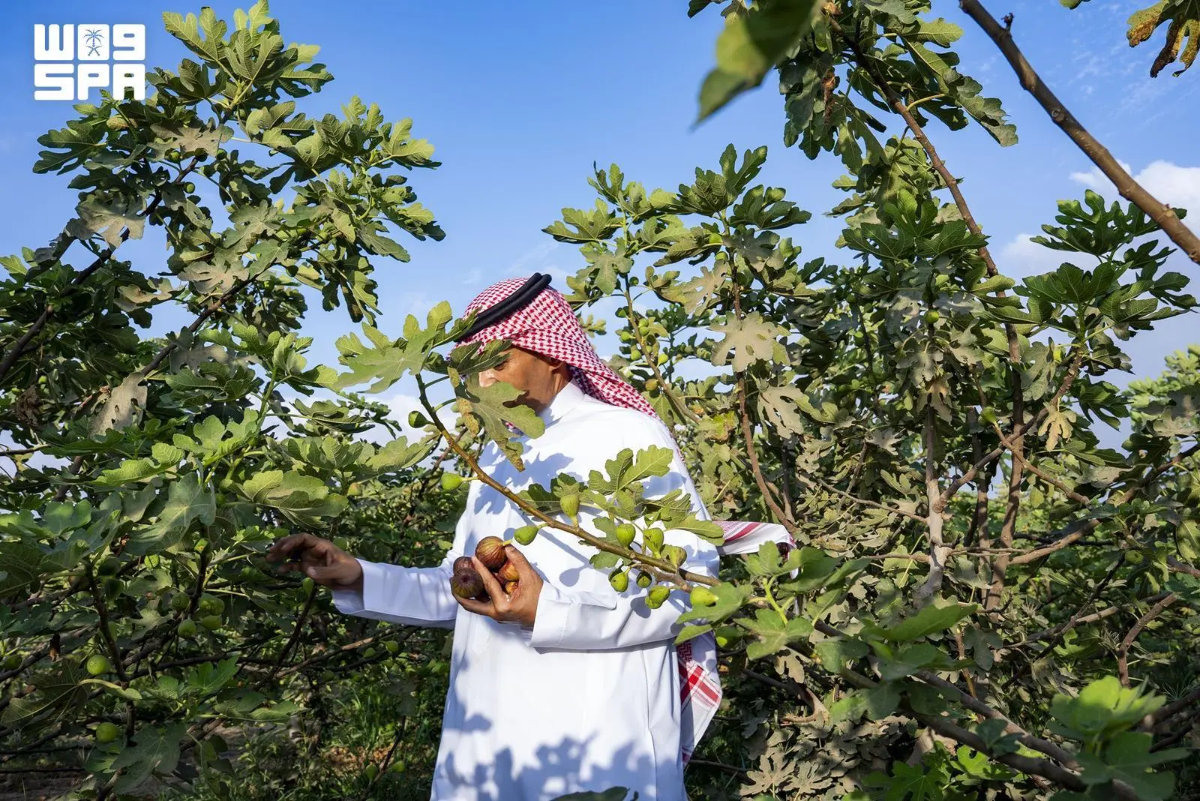
Fig cultivation extends across 346 farms with more than 480,000 trees producing an estimated 9,600 tons each year. The region also has 6,000 guava trees yielding 60 tons annually and more than 4,200 custard apple trees producing over 42 tons across 110 farms.
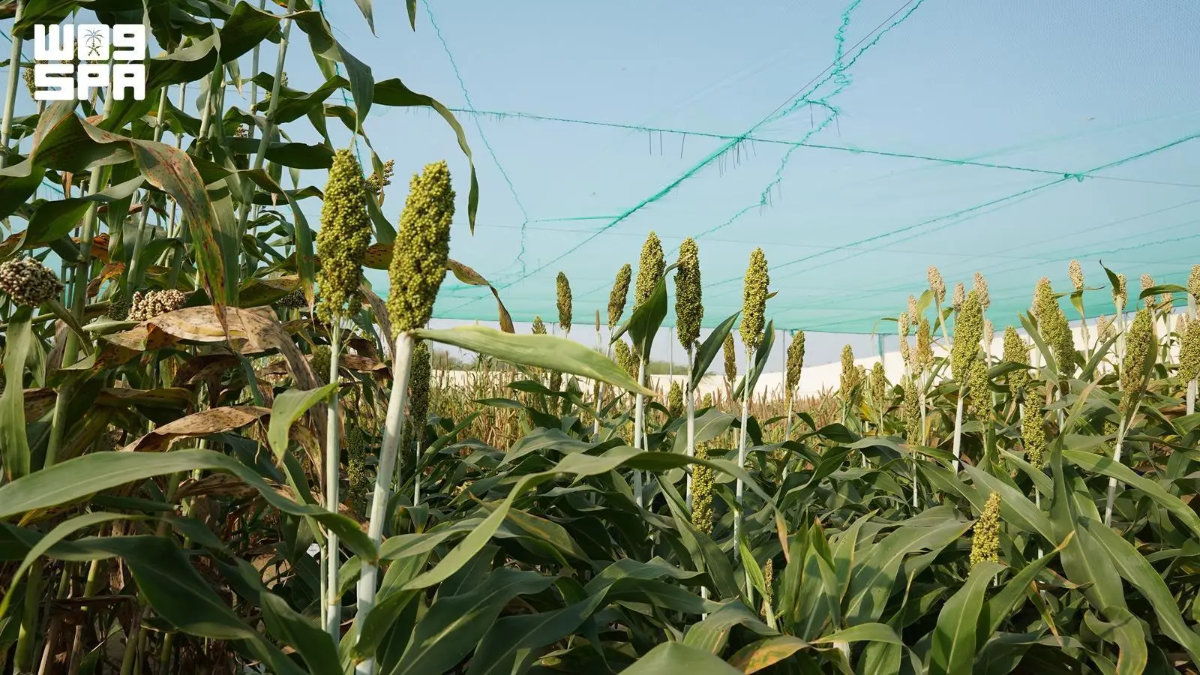
Field crops remain another key part of Jazan’s agricultural economy. Sorghum is grown on more than 60,000 hectares, generating over 55,000 tons annually. The red and white varieties are widely used for local consumption and livestock feed.
Sesame cultivation covers more than 6,400 hectares and produces more than 6,422 tons of seeds each year for culinary use and traditional oil extraction.
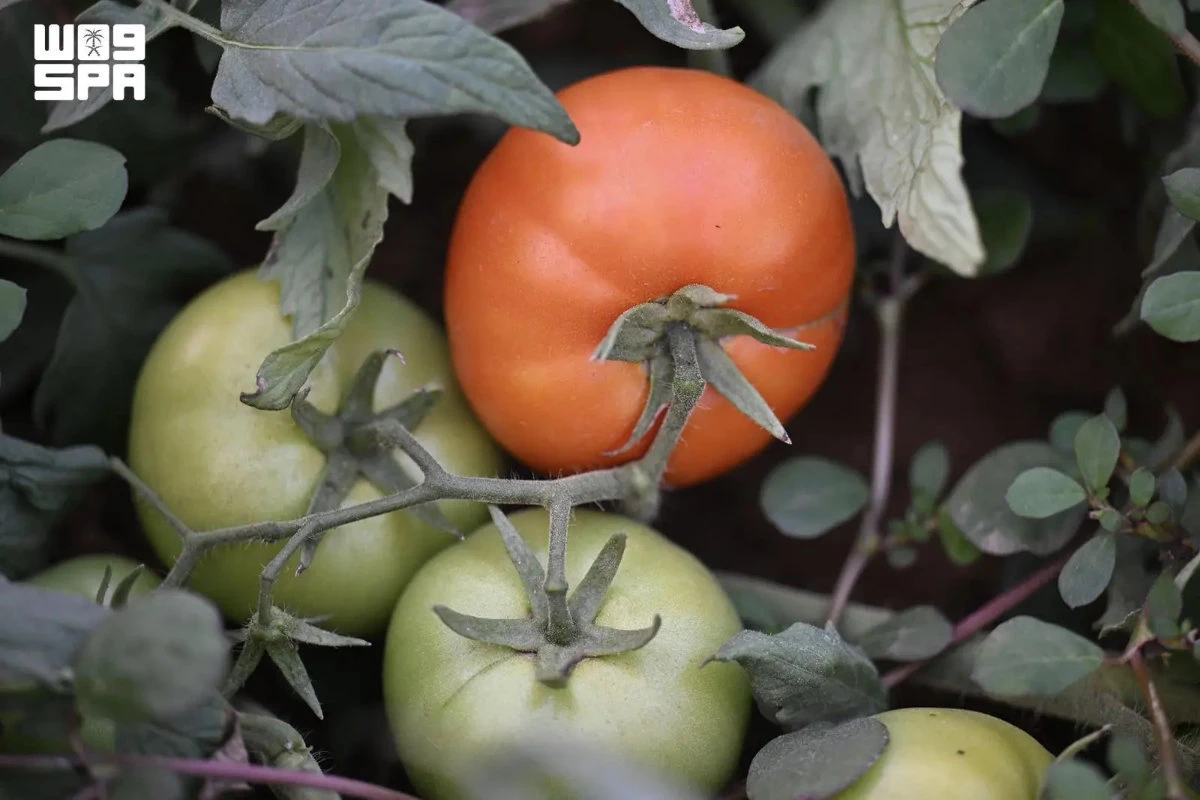
Vegetable production, including tomatoes, cucumbers, eggplants, zucchini, okra, peppers and leafy greens, continues throughout the year. Production is supported by greenhouse farming, drip-irrigation systems and improved post-harvest practices that help conserve water.
In the highlands, rehabilitated mountain terraces and rainwater-harvesting projects support farming on steep slopes while reducing soil erosion. Backed by sorting centers, cold-storage facilities and integrated logistics, Jazan’s agricultural sector continues to cut post-harvest losses, support small and medium-sized enterprises, and advance the food security goals of Saudi Vision 2030.