Local translators and interpreters still face stiff competition from expats who operate illegally despite the scarcity of licensed and specialized offices across the Kingdom.
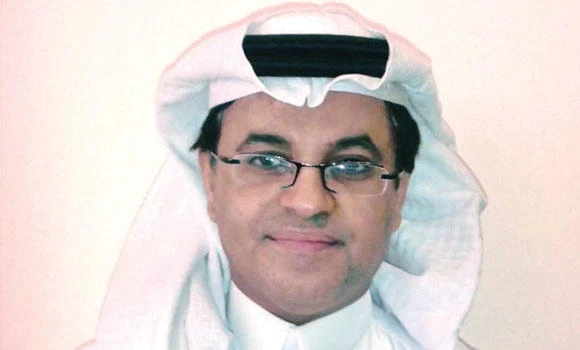
“There are only about eight offices Kingdom-wide that offer simultaneous translation from Arabic to English and vice-versa and this is why locals can have a promising future in this domain,” Khaled Alolaiwi, an anchor and presenter at a local TV station, told Arab News.
“These locals are still, nevertheless, having to compete with illegal expats, who are generally only capable of translating written work from Arabic to English to a high standard, but have difficulty engaging in instant translation or translating from English to Arabic,” he said.
Foreign translators are not well-qualified since they don’t have the correct educational background to tackle the domain, said Alolaiwi.
“They come to the Kingdom and become affiliated with local translation companies, whom they pay for being able to operate,” he said.
“This does not make them legal. These translators should be specialized in the English language in order to engage in instant translation from Arabic to English.”
Alolaiwi traveled to the United States for several years for his Master’s degree, where he studied the English language.
“My extensive exposure to native speakers, after having lived in the US for several years, has given me the confidence to operate as a translation interpreter,” he said, adding that he had floated his own translation and interpretation company three years ago.
He said that he is assisted by his own staff and already has a monthly overhead cost of SR25,000.
He added that his firm, Tarjamat Office, provides comprehensive services, which include hearing gadgets. Aside from translation interpretation, Alolaiwi also accepts jobs as master of ceremonies using the Arabic or English language.
Licensed translators, interpreters compete with illegal expatriates