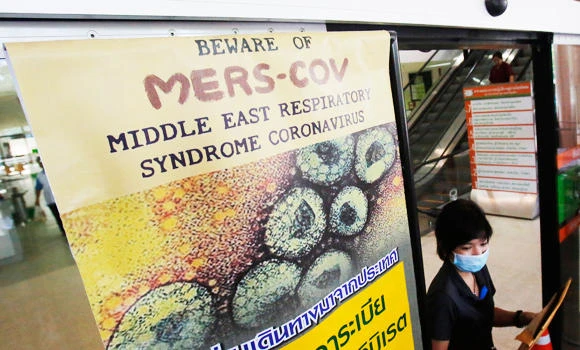
RIYADH: A 74-year-old Saudi man, who contracted the Middle East Respiratory Syndrome coronavirus (MERS-CoV) through an infected person, died in Al-Kharj, 60 km from the capital, on Tuesday.
According to an official from the Ministry of Health, the man had been in critical condition suffering from the virus which he was suspected to have contracted from another patient in the city of Al-Kharj. The official also said that another 53-year-old Saudi was reported on Wednesday to have contracted the disease in Najran.
With the new cases, the number patients who have contracted the virus in the Kingdom since June 2012 has risen to 1,368, which includes 584 deaths.
In Buraidah, three expatriates, including two women, and one 26-year-old Saudi man were discharged from the hospital following full recovery. Another Saudi man was also discharged from hospital in Jazan.
According to the World Health Organization (WHO), MERS-CoV causes severe human infections resulting in high mortality and is capable of human-to-human transmission. So far, human-to-human transmission has mainly occurred in health care settings.
The statement further pointed out that notification of additional cases does not change the overall risk assessment. WHO expects that additional cases of MERS-CoV will be reported from the Middle East, and that cases will continue to be exported to other countries by individuals who might acquire the infection after exposure to animals or animal products (camels), or human sources.
WHO continues to monitor the epidemiological situation and conduct risk assessments based on the latest available information.
Based on the current situation and available information, WHO encourages all member states to continue their surveillance for acute respiratory infections and to carefully review any unusual pattern.
Until more is understood about MERS-CoV, people with diabetes, renal failure, chronic lung disease and with a weak immune system are considered to be at high risk of severe complications from MERS‐CoV. These people should avoid close contact with animals, particularly camels, when visiting farms, markets, or barns where the virus is known to be potentially circulating. General hygiene measures, such as regular hand washing before and after touching animals and avoiding contact with sick animals, should be adhered to.
People should avoid drinking raw camel milk or camel urine, or eating meat that has not been properly cooked.
Man dies of MERS, more infected