- Former Sweden jobs minister pens book on Saudi’s transformation
- ‘Fascinating’ change for women, Sven Otto Littorin tells Arab News
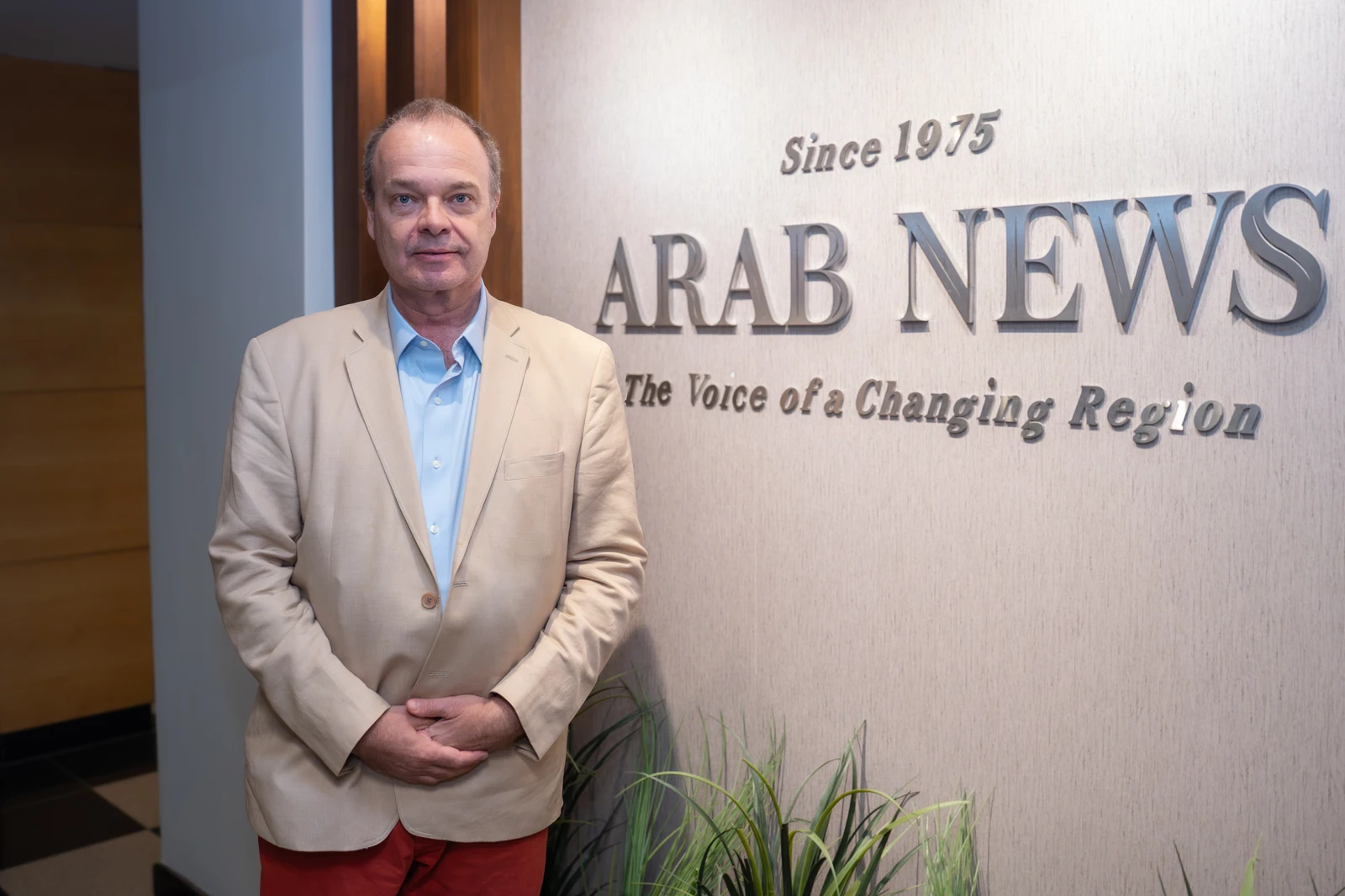
RIYADH: When Sven Otto Littorin arrived in Saudi Arabia in 2017, he witnessed a country at the beginning of Vision 2030. Nearly a decade later, the former Sweden minister of employment has turned those experiences into a book documenting the Kingdom’s transformation.
In “Kingdom in Motion” published this year, Littorin examines the rapid changes he observed during his years in Saudi Arabia, from labor-market reforms and social shifts to evolving business opportunities and policymaking.
Written from the perspective of a foreign adviser working inside the system, the book seeks to explain the changes and provide context.
“The transformation, I think, is absolutely fascinating, especially when it comes to women in the labor market,” Littorin told Arab News.
Among the developments highlighted in the book is the rise in women’s workforce participation. Employment among Saudi women increased from 17 percent in 2017 to 36.3 percent by early 2025.
Littorin recalled the gender segregation he encountered when he first arrived, including women-only offices and separate family and singles sections in restaurants.
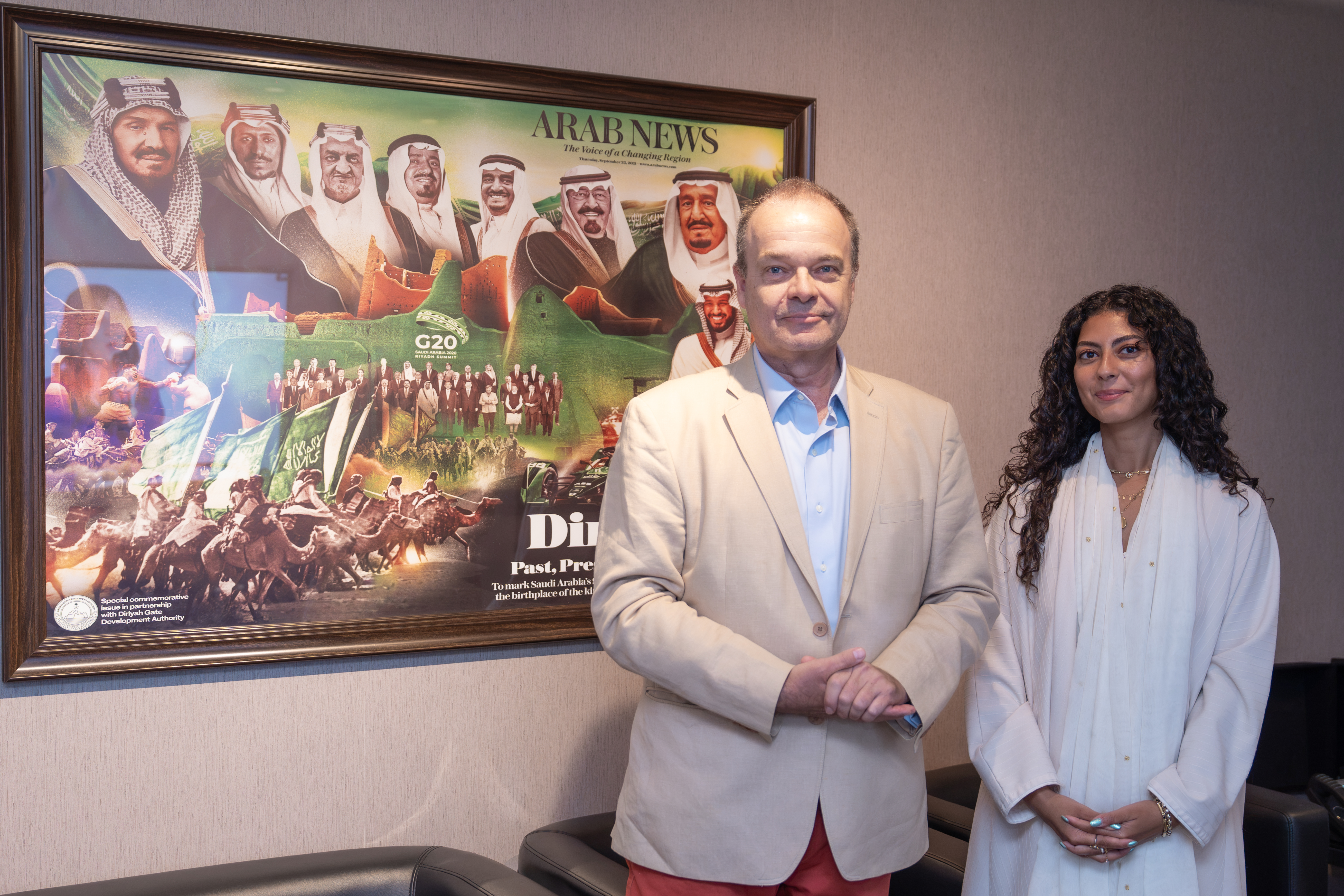
“You come back now, and it’s just amazing. Not only the number of women, but also, I think the quality of the women that are in the labor market, highly productive, hungry.”
In 2017, Littorin became one of the first foreigners employed directly by the Saudi Ministry of Labor.
Drawing on experience from his time as Sweden’s minister of employment and his connections with the World Bank, he worked on labor market issues as the Kingdom launched its reform agenda.
His years in Saudi Arabia also reshaped some of his own assumptions. “I sort of fell in love with the country,” he told Arab News.
“It’s so interesting to see a country that, on the surface you have a big difference — we look different, different regions, we dress differently and our customs and all that — but to be honest, we’re much more alike.”
The book opens with a meeting at the Ministry of Labor in Riyadh, where Littorin compares Saudi decision-making processes with those in Stockholm.
“I think that when I got here, I needed to understand for myself how it really works, the culture. How do decisions form? What’s the history that makes Vision 2030 work, and what are the limitations to some of it, as well?”
That effort to understand the culture and decision-making process became a central theme of the book.
What initially seemed an overly lengthy process ultimately delivered a stronger result. “I remember, with some embarrassment, my initial reaction,” he writes in the book.
“The regulation that emerged at the end of it was, I had to admit when I read it back, materially better than the version I would have drafted on my own in one afternoon.”
Beyond labor reform, “Kingdom in Motion” explores how Saudi Arabia has developed policies that reflect its culture and history while pursuing long-term development goals.
The book revisits pivotal moments in the Kingdom’s modern history, from the seizure of the Grand Mosque in 1979 to the reforms introduced under Crown Prince Mohammed bin Salman.
For Littorin, the book is also an attempt to address perceptions of Saudi Arabia abroad.
“It’s quite obvious that, especially in the West, lots of people still have an image of the country that is based on something 30 years ago, and that’s unfair. So, I thought, well, then I can tell my story about what I’ve seen and what I’ve tried to understand to explain to people,” he said.
“I think that Saudi women, Saudi younger people, carry a lot of that weight around to show to people the transformation.”
He believes firsthand experience remains the best way to understand those changes.
He points to Saudi Arabia’s growing tourism sector and efforts to host international events, including the Future Investment Initiative, Formula One races, MDLBEAST Soundstorm and the Red Sea International Film Festival.
The Kingdom’s transformation has also fueled growing foreign business interest.
Today, Littorin is co-founder and managing partner of The Vision Bridge, which helps foreign companies expand into the Middle East, with a particular focus on Saudi Arabia. Through that work, he advises businesses on establishing operations in the Kingdom.
One example is a Swedish kindergarten operator exploring plans to open in Saudi Arabia, which he sees as a response to growing demand from dual-income households as more women enter the workforce.
For international companies, understanding Saudi culture is essential, he said. “You have to be, not only respectful of the local Saudi culture, but you have to build on it,” he explained.
“It’s in the design of Vision 2030 to lift the cultural dimension, modernize and internationalize with a strong root in Saudi culture, and I think that’s what I’m trying to tell all the European companies that come in that that has to be at the root of what you’re doing.”
Looking ahead, Littorin believes Saudi Arabia’s next phase of development will focus on increasing productivity and expanding non-oil exports by attracting foreign manufacturers.
“You’ve been extremely successful in mobilizing labor and capital domestically, now it’s time for productivity to increase non-oil exports from Saudi Arabia. For that to happen, you need these foreign companies to come in, establish a factory here, and export from here,” he explained.
These themes are explored throughout “Kingdom in Motion,” which is available in paperback, e-book and audio formats.
“Saudi Arabia is a transformed country but still rooted in its original culture. This is a place for foreign companies to come in, and foreign people to come to visit, to see, to work with, to engage with,” he said.