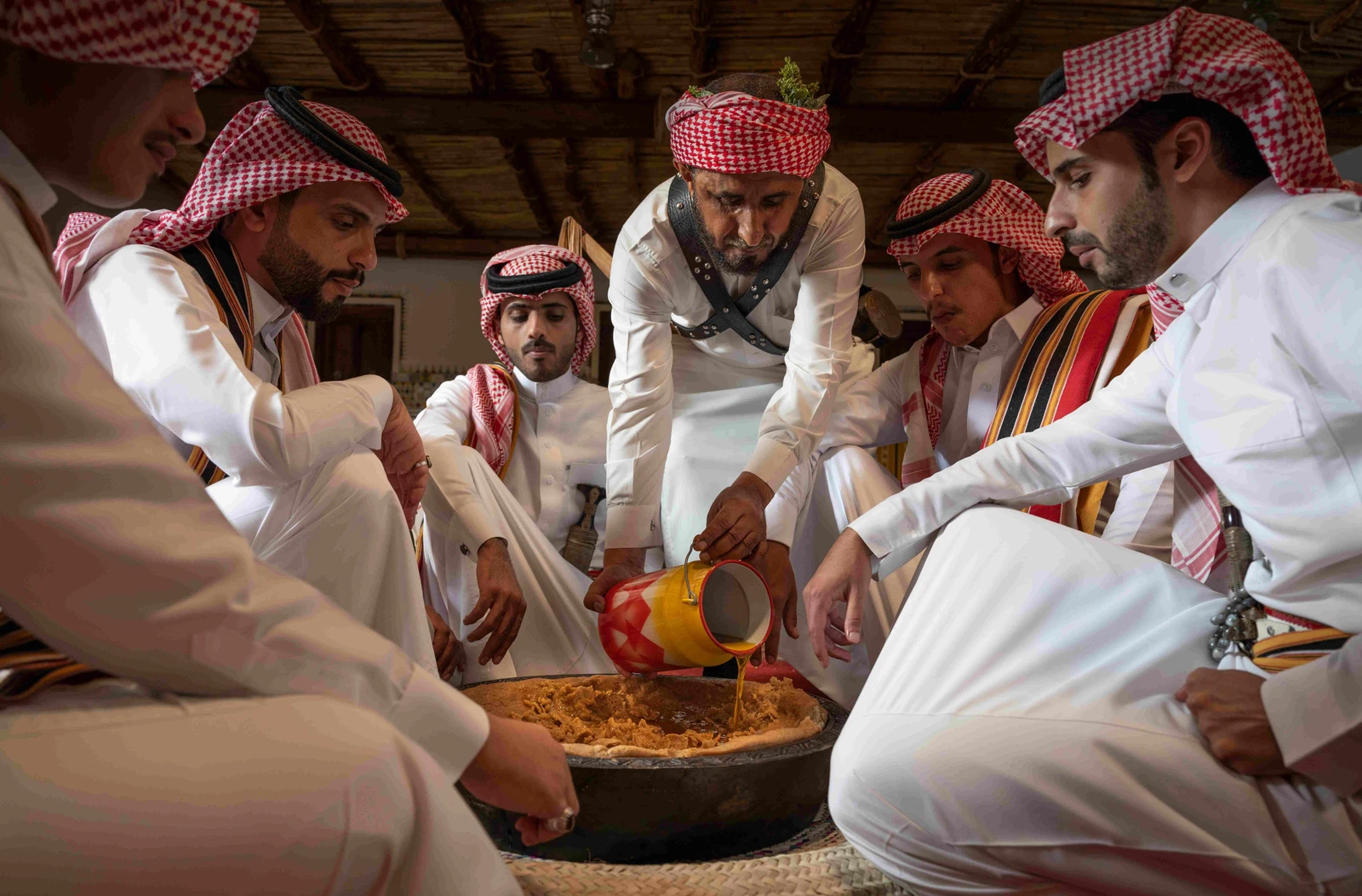
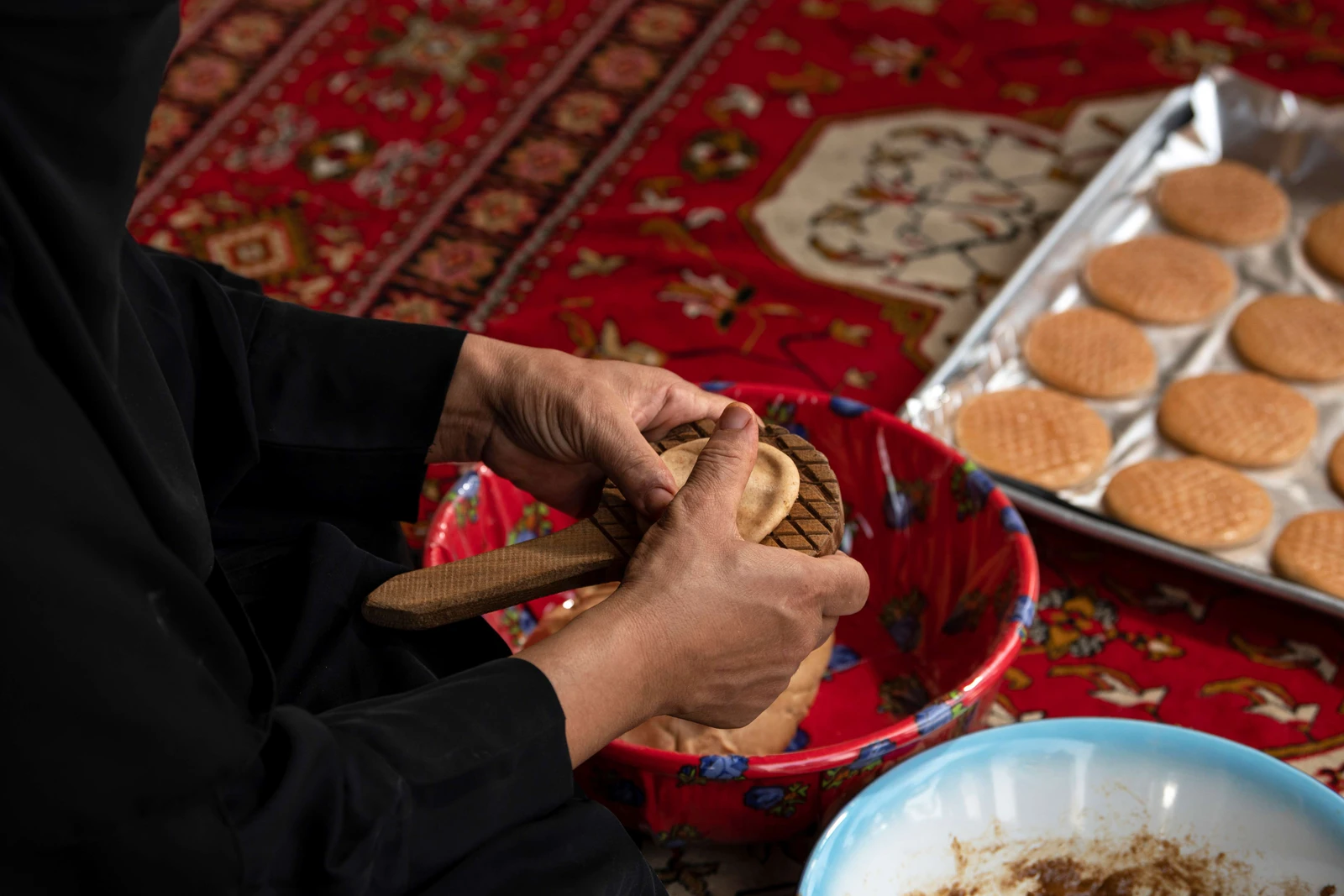
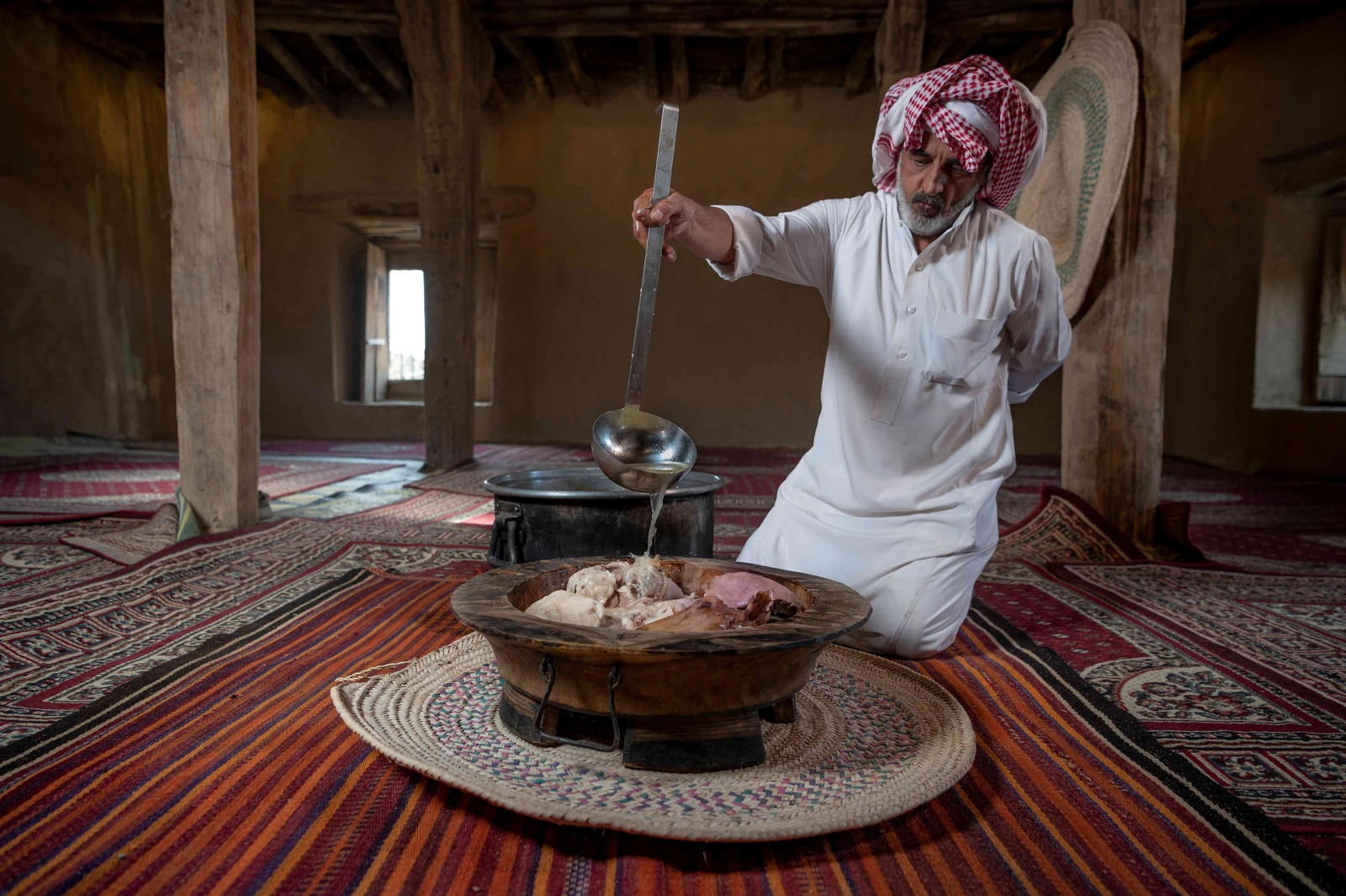
RIYADH: Saudi Arabia’s Culinary Arts Commission has completed a 42-month project documenting 1,476 culinary traditions, practices and other elements across 94 cities and governorates in the Kingdom.
The project involved 2,746 participants and aimed to preserve traditional recipes, cooking techniques and culinary knowledge passed down through generations, the commission said on Wednesday.
The scheme aims to preserve traditional Saudi recipes, cooking practices and related knowledge by transforming orally transmitted traditions into documented material for research, education and future generations.
Researchers gathered culinary knowledge from communities and field sources across the Kingdom, organizing the findings into a national reference intended to support research, education and cultural initiatives.
The project is part of the commission’s efforts to help achieve the objectives of the Ministry of Culture in developing the cultural sector, and to support the objectives of the National Cultural Strategy emanating from Saudi Vision 2030, by highlighting the diversity and cultural specificity of Saudi culinary arts, and introducing Saudi cuisine, its components and practices as a field of knowledge, creativity, and cultural and economic opportunities.
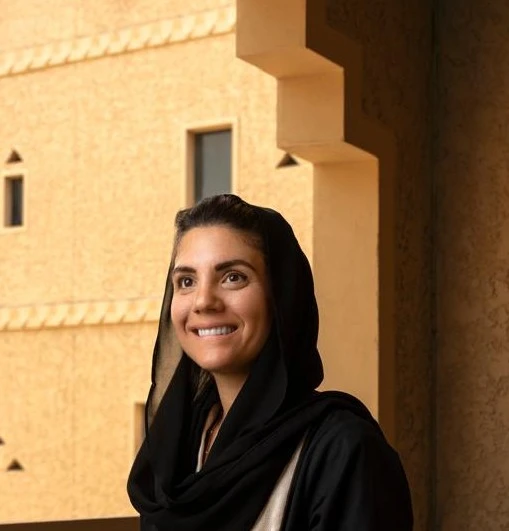
Mayada Badr, CEO of the Culinary Arts Commission, told Arab News that the documented elements would serve as a reference for developing initiatives, reviving traditional recipes and encouraging the use of local ingredients in culinary products and experiences.
She said the findings reflect the “cultural richness and diversity in ingredients and cooking methods across the regions of the Kingdom.”
A key priority in the coming years would be “moving from the documentation stage to activating culinary heritage and enhancing its presence in products, restaurants and events, locally and internationally,” she added.
This will preserve the sustainability of culinary practices and their transmission to future generations, Badr said.
The commission supports small restaurant owners and home-based food businesses through training, product development and access to markets, as well as with initiatives such as the Free Cooking License, the commission’s CEO added.
Young people are encouraged to learn traditional Saudi cooking through workshops and interactive experiences, linking heritage and traditional recipes with modern cooking methods, while promoting traditional dishes and highlighting their cultural value and diversity, Badr said.
“Saudi cuisine is witnessing growing interest locally and internationally, and possesses distinctive creative elements stemming from the diversity of environments, terrains and cultural experiences across the regions of the Kingdom, which enhances its position and identity among global cuisines,” she added.