RIYADH: Al-Hakawati, the traditional storyteller for children, is back with the advent of the Ramadan along with other activities.
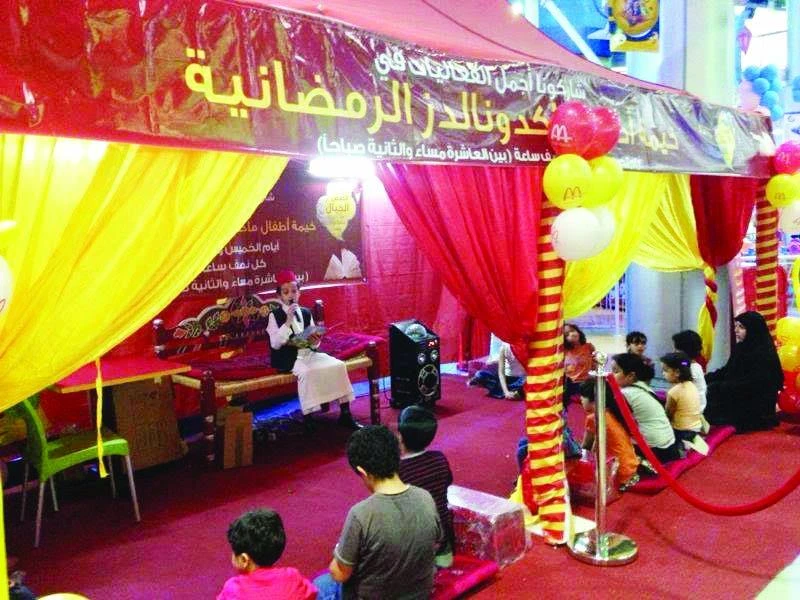
Reviving the trend for the fourth year in a row, Riyadh International Catering Corporation (RICC) has set up tents inside a number of shopping malls in Riyadh, Eastern Province and the Northern Region, where children gather around a Hakawati to enjoy listening to Arabic folk tales.
The tents have been set up in all big malls in the capital, where children can gather every Thursday and Friday during the holy month to listen to the Hakawati, sometimes in an animated version with different voices and gestures to attract attention and interaction.
Like last year, the program features children as Hakawatis, and includes Abdul Rahman, the youngest storyteller last season.
Speaking to Arab News, he said: “I am quite excited as my experience as a Hakawati last year was phenomenal and filled with joy.”
Commenting on the arrangement, RICC Media Manager Waddah Omran said: “Since storytelling is one of the oldest forms of children’s amusement, we have made arrangements this year at all big malls in Riyadh, the Eastern Province and the Northern Region, where children gather around Al-Hakawati and get to live a unique and fun interactive experience during the month.”
To make the Ramadan activities more interactive, there are a number of other events for children that include drawing, and arts and crafts sessions, in which children design Ramadan lanterns and Eid greeting cards.
When asked about the theme, Omran said: “We have come up with activities suitable for the holy month. We chose activities and tales that would emphasize Islamic values and engage children’s imagination.”
As the capital geared up for the Ramadan activities, hotels and restaurants in the city have also made special Ramadan arrangements with specific dishes for iftar and suhoor.
A general manager of a group of hotels told Arab News that they have launched pre-order, free home delivery of Hyderabadi haleem, a stew composed of meat and pounded wheat made into a thick paste with spices and dry fruits, which is a popular dish for iftar.
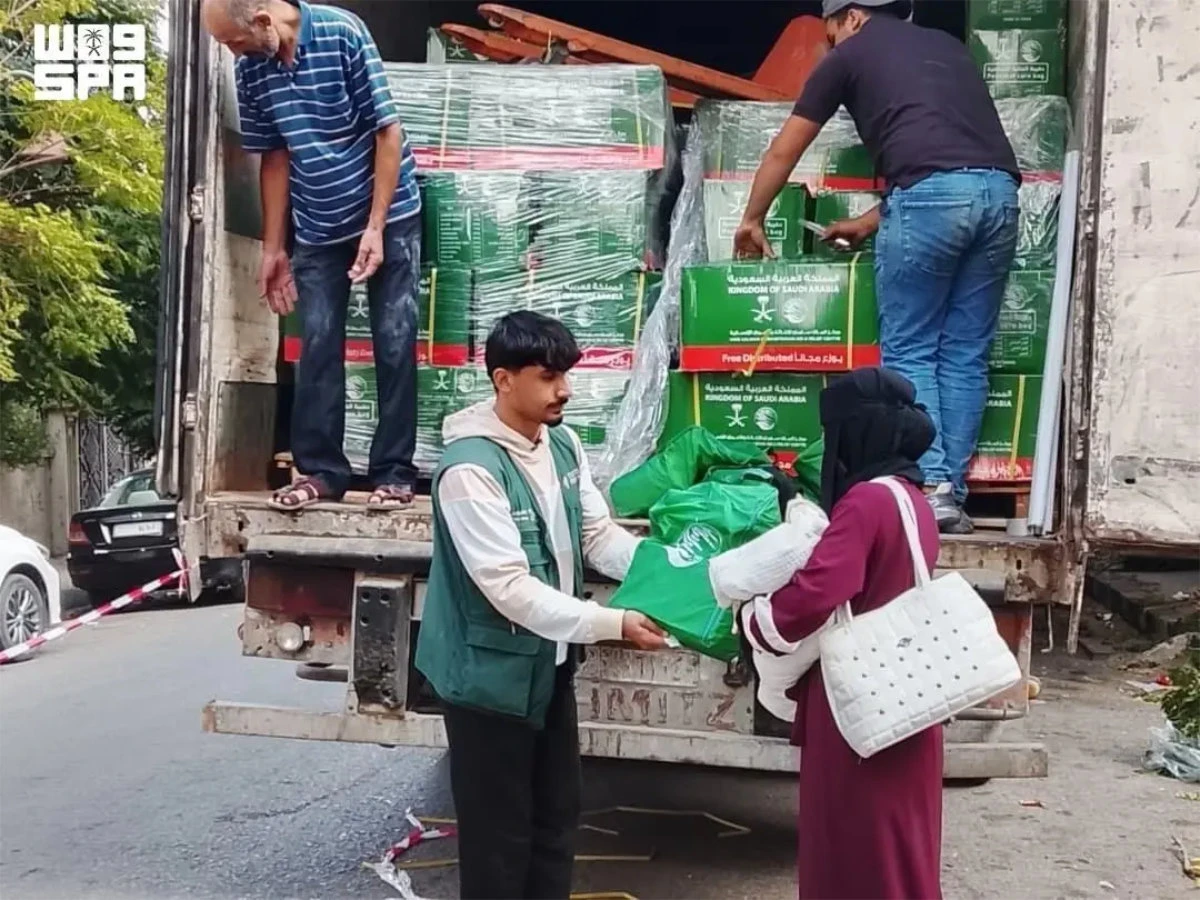
Several companies have launched iftar box program for the needy as their social welfare program.
Traditional storyteller is back