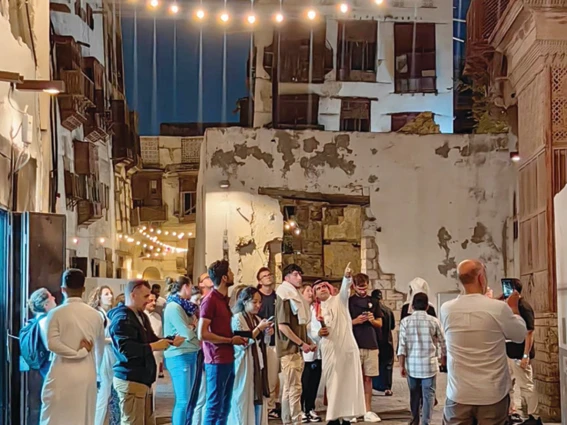
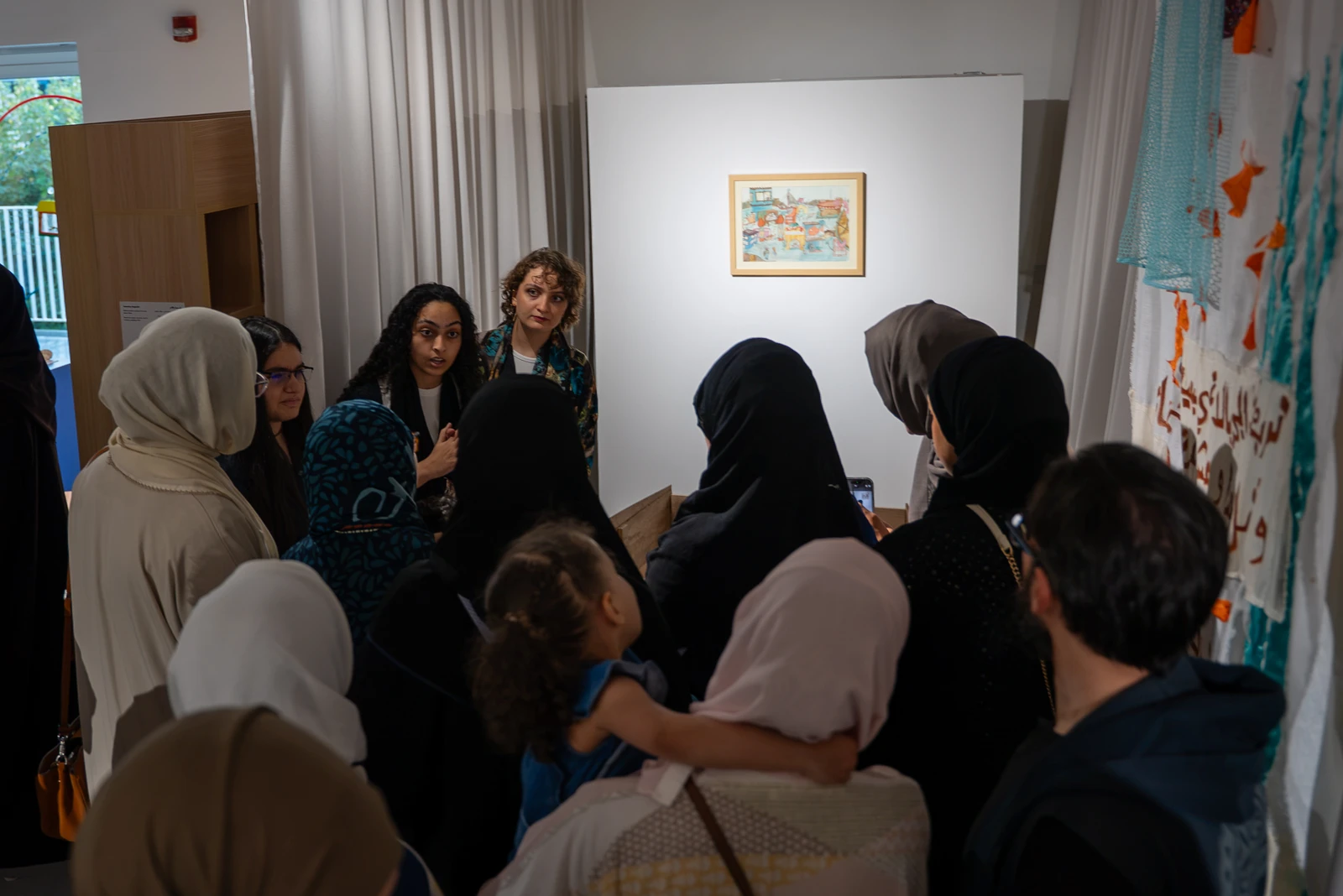
- Nour Ibrahim: It was fascinating to learn about the different gates and doors to Jeddah and the sheer variety of places all the pilgrims and traders used to come from
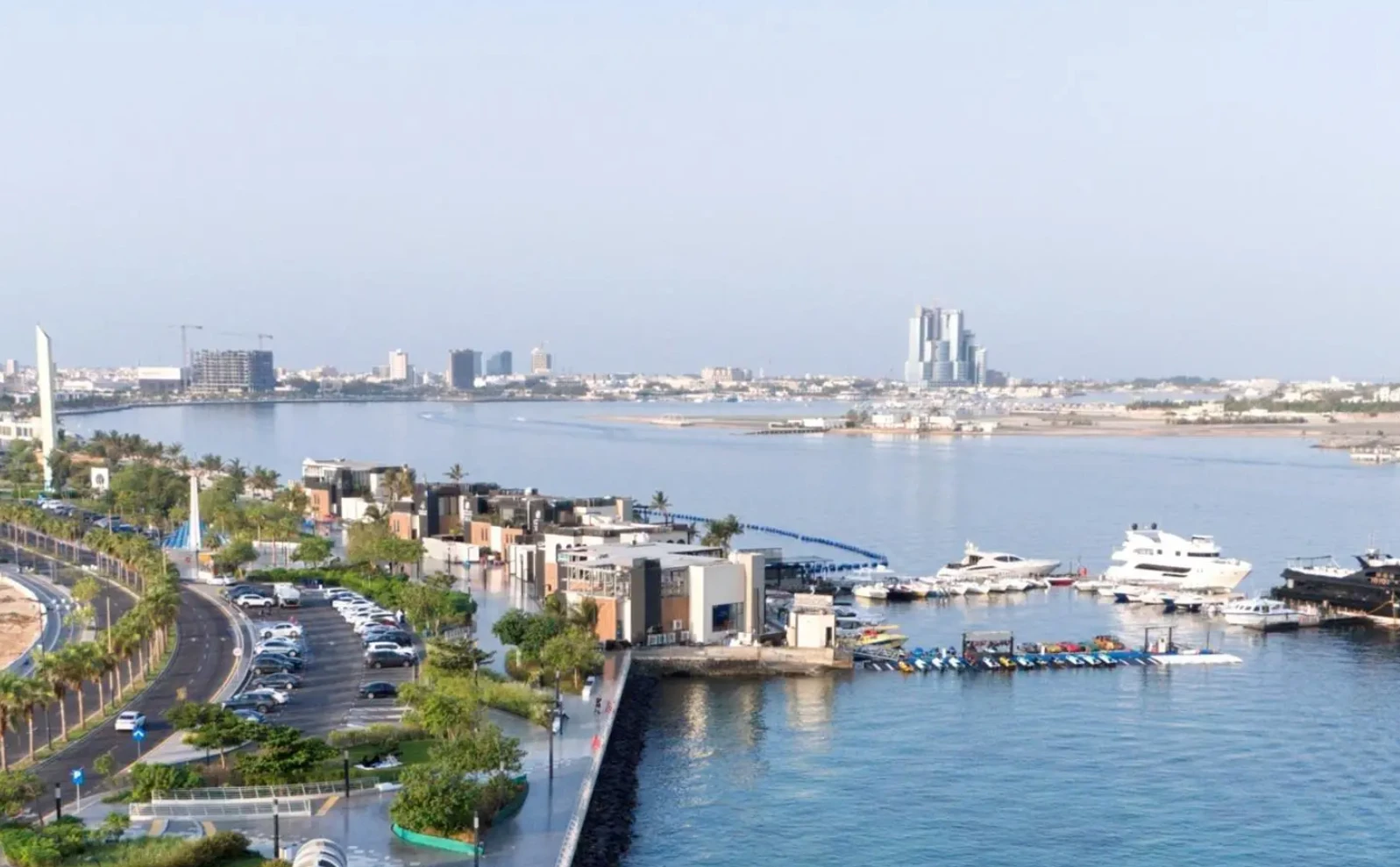
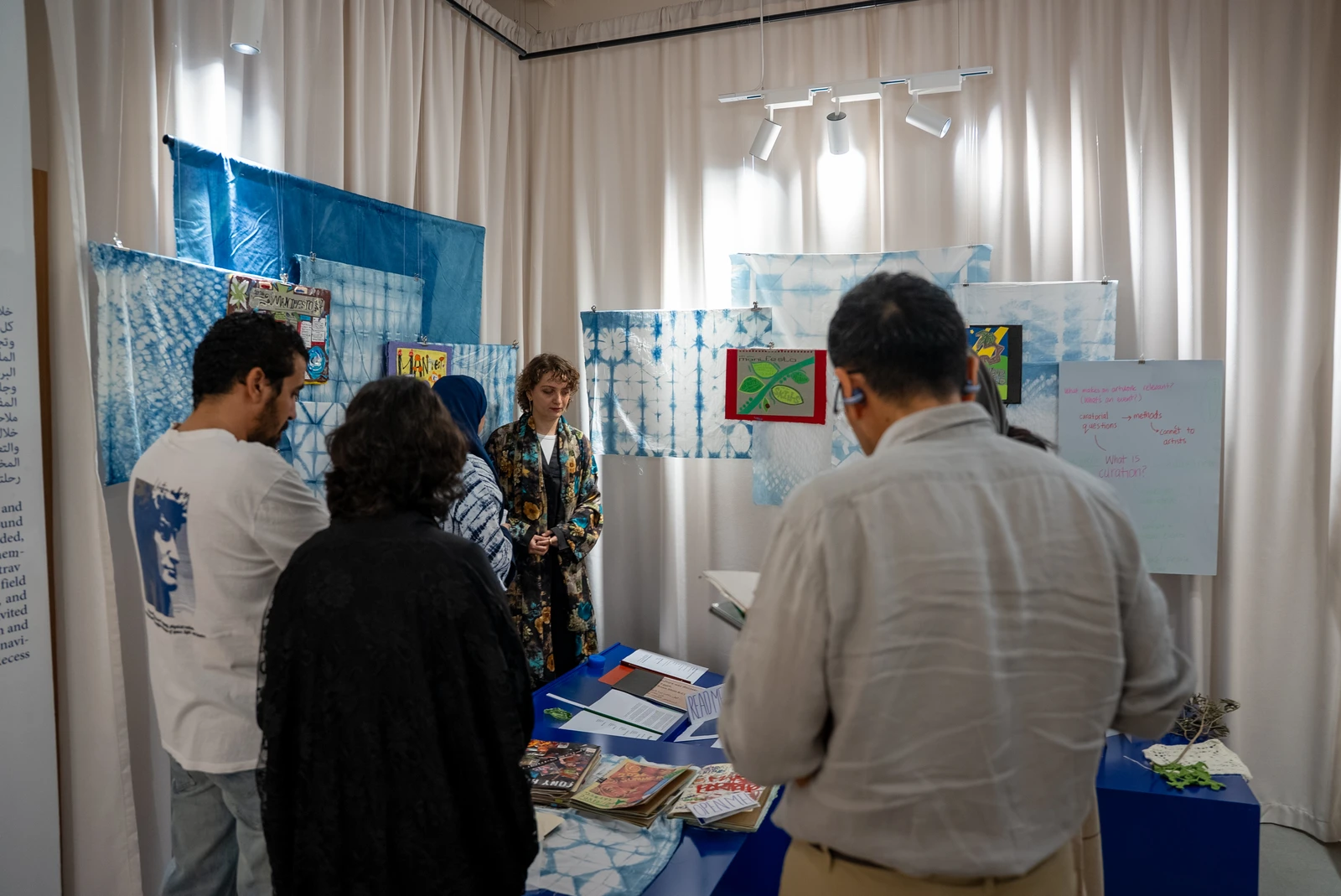
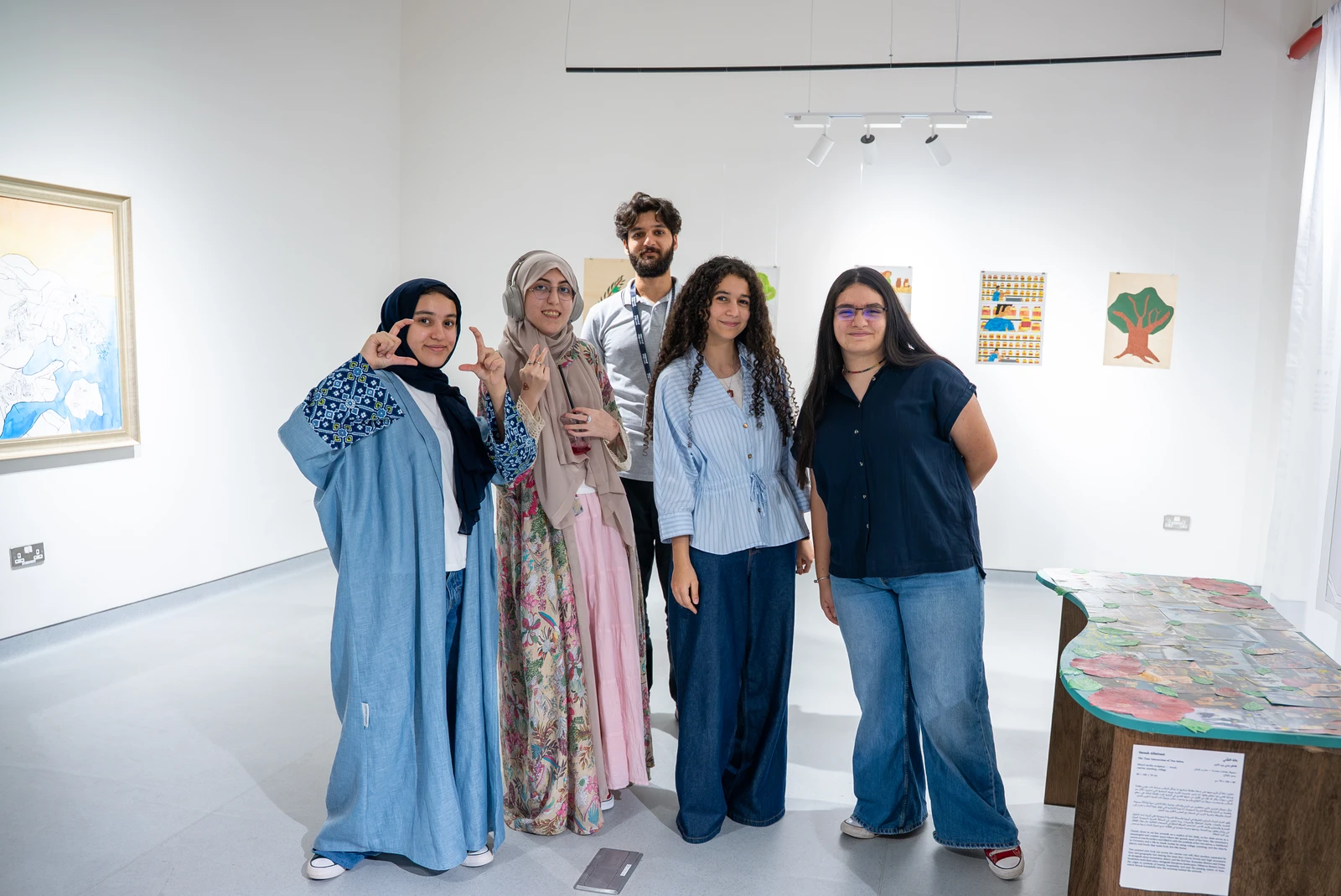
JEDDAH: Seven young artists have explored Jeddah’s history, memories and relationship with the Red Sea through “Time Reflected on Water,” a showcase of individual and collective works by the 2026 Recess cohort at Hayy Jameel’s Hayy Explorers.
The exhibition runs until Oct. 17.
For the 15 to 17-year-old participants, the program offered an opportunity to look more closely at a city that they already knew.
Nour Ibrahim said that the program gave her a deeper understanding of the different communities and histories connected to Jeddah.
“It was fascinating to learn about the different gates and doors to Jeddah and the sheer variety of places all the pilgrims and traders used to come from,” she said. “The visit to the Red Sea Museum and the ‘Red Wind, Coral Worlds’ exhibition opened my eyes to the cultural mix that makes Jeddah unique.”
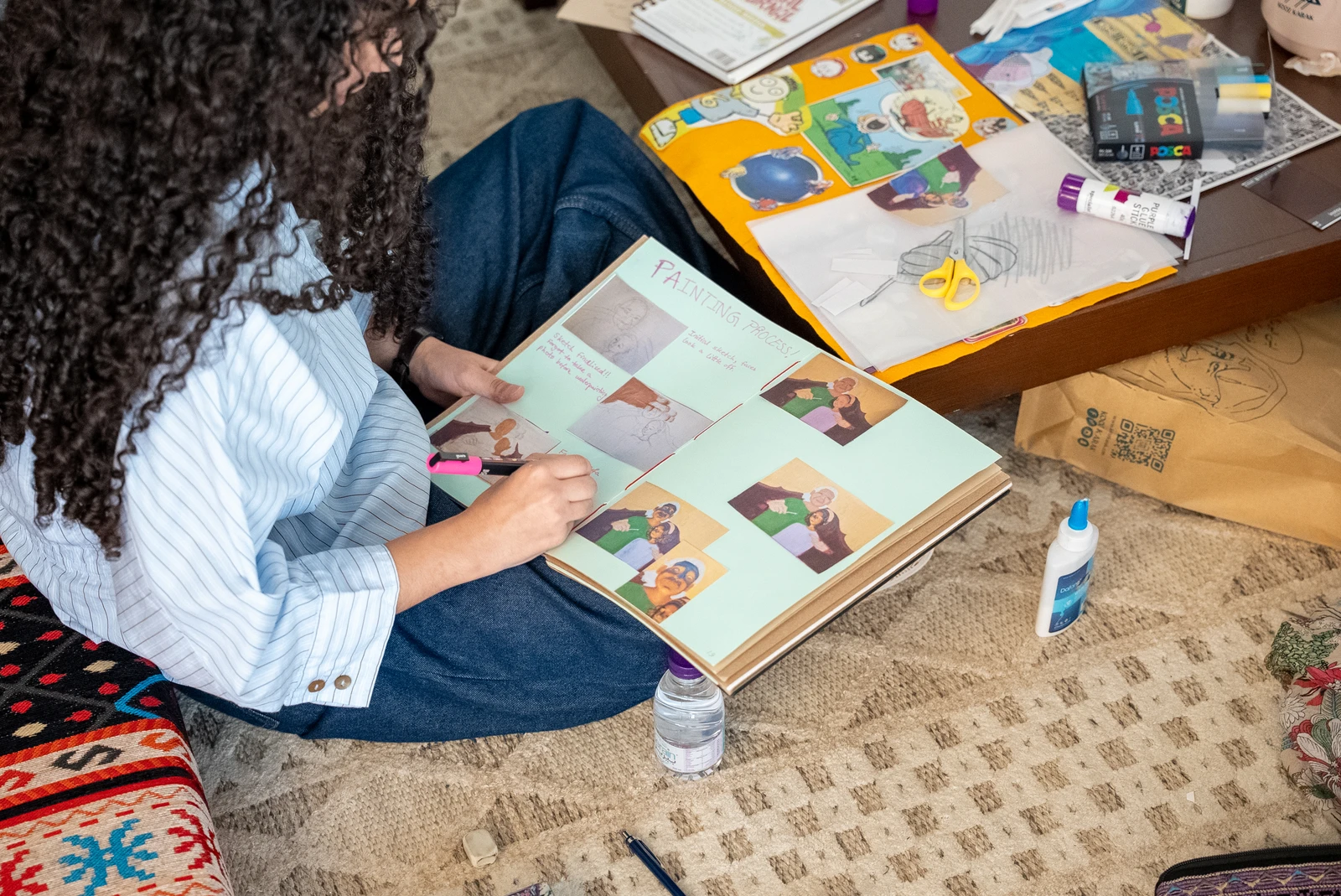
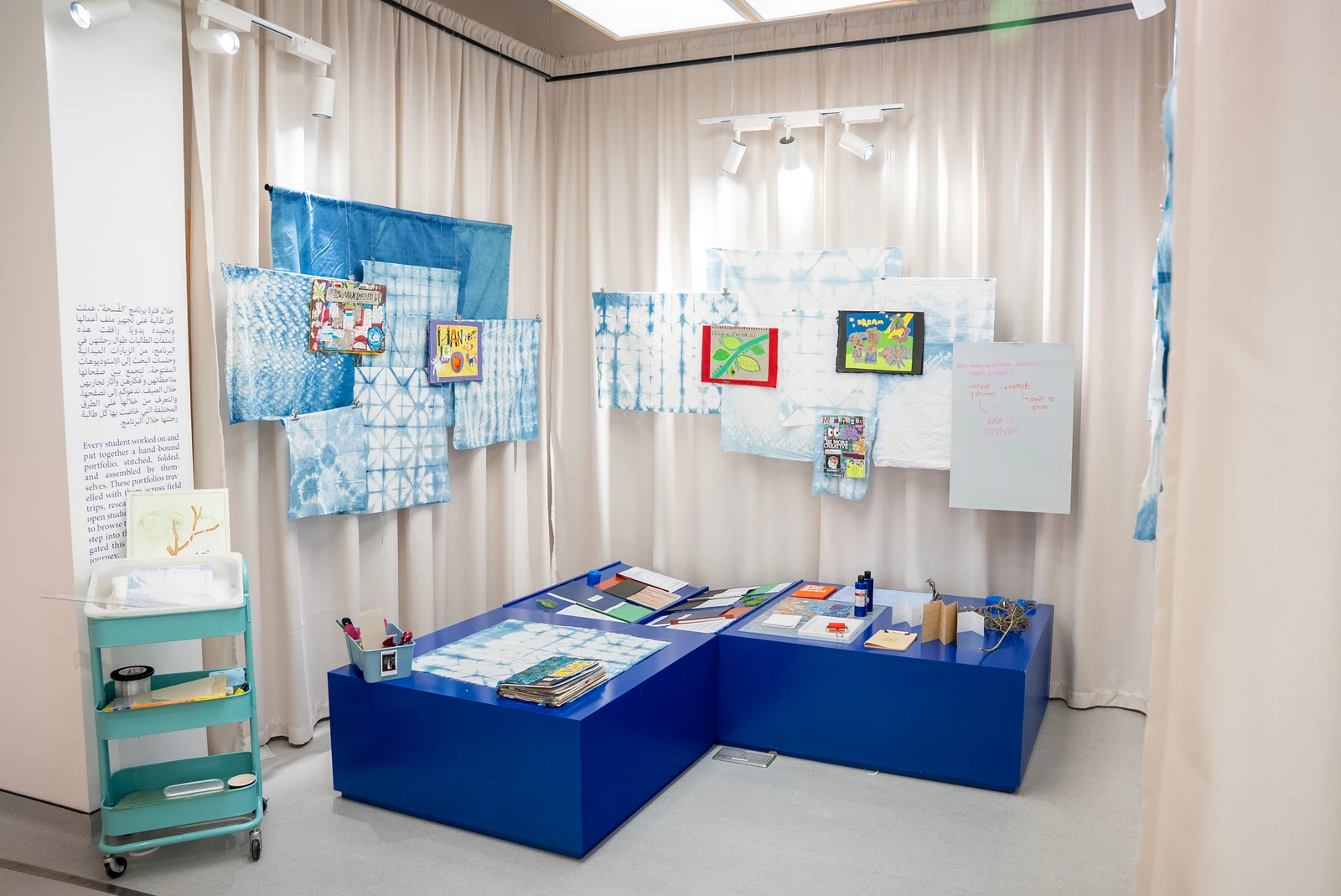
Ibrahim said one of the most personal parts of her contribution was her portfolio, which contained sketches, experiments, research and writing produced during the program. “I was somewhat nervous to display it in the showcase because it felt like a direct view into my thought process. But I think there is value in being able to see all of the stages a project has gone through before coming to fruition.”
For Alma Hawwa, the program revealed the close connections between people in Jeddah.
“There has been a lot of things, but one is just how small and interconnected Jeddah really is,” she said, recalling visits to Al-Balad and Darat Safeya Binzagr.
“A frequent saying I’d hear all throughout is ‘Jeddah is two rooms and a salon,’ which proved itself to be even more true as eventually I started recognizing people too!”
Hawwa’s work also draws on personal memory, including writing about her grandfather and the experience of grief. “I hope visitors get reminded of how important it is to spend time with their loved ones and learn more about them,” she said.
Layan Alshakhshir said that Recess prompted her to reconsider the origins of Jeddah’s name.
“Jeddah was always just Jeddah to me,” she said, adding that learning about the possible origins of the name including references to “jaddah,” meaning grandmother, and “jadd,” meaning seashore, made her view the city differently.
Her final project changed substantially during the program as she moved away from an approach that focused heavily on agricultural history and returned to her original artistic intention.
“This experience taught me that despite the start being unsatisfactory and wanting to give up, you should try again and see where that leads you,” she said. “Sometimes a rocky start shows you an even better idea and outcome than you ever envisioned.”
Sahrish S. Ali, learning program leader at Hayy Jameel, said that the students similarly developed their approach to art during the three months.
“Cognitively, the cohort shifted its view of art from a simple aesthetic concept to a deep-thinking and deep-looking process. Through the program’s pedagogical framework, we wanted young people to understand that the process of researching and making something is as if not more important than the final outcome, and the final exhibit reflects that,” she said.
The cohort’s work reflects a range of interests, including Jeddah’s cultural history, nature, agriculture, memory and inherited traditions.
The showcase also includes collective works developed by the seven participants, including the “Expedition Manifesto,” a shared declaration created from discussions about their values at the beginning of the program.
For her, one of the most significant aspects of the cycle was seeing the students develop their individual interests while learning from one another. “We as their teachers and mentors learned a lot from them as much as they did from us,” she said.