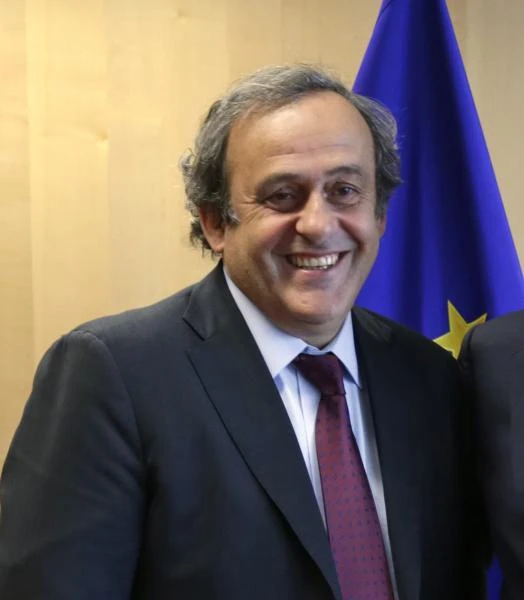
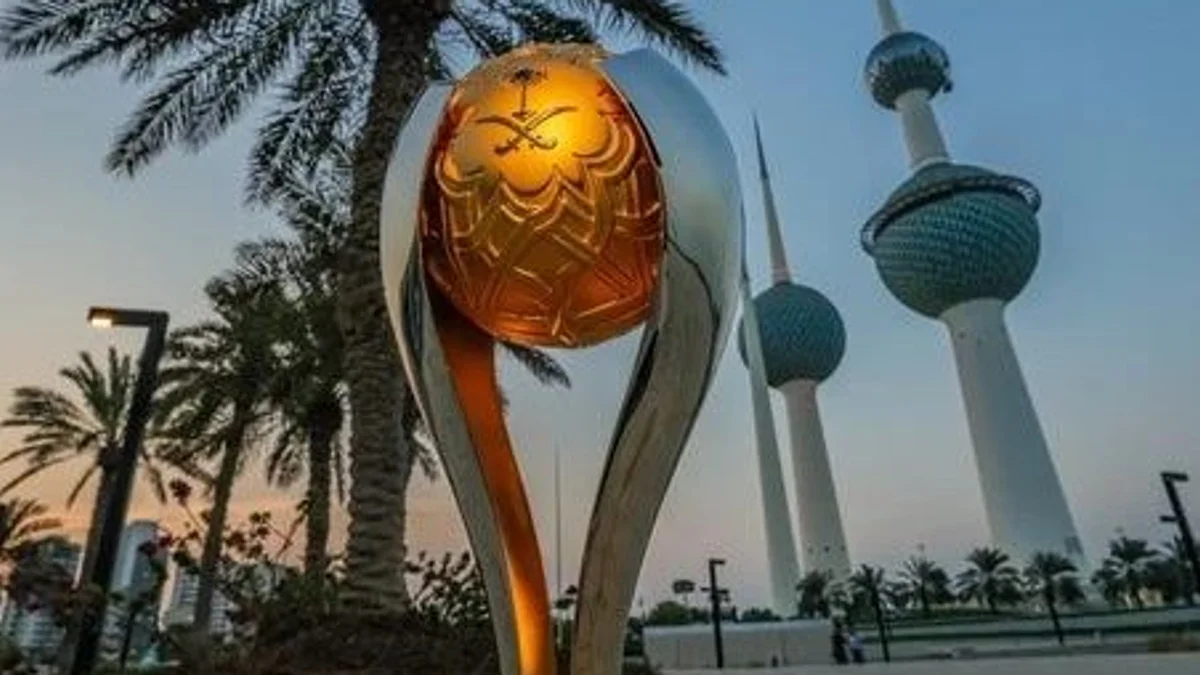
PARIS: Michel Platini on Wednesday backed a fresh vote on the 2022 World Cup if proof ever emerged of corruption in the awarding of Qatar as the venue.
“As for Qatar 2022, I wasn’t influenced,” the UEFA president and FIFA vice-president who voted for the Gulf state told TF1 television.
“As far as I’m concerned, the vote was held in all transparency and we’ve always said that in the event of the slightest hint of corruption there’ll be a new vote.
“But for now, we don’t know.” The head of European football has never disguised the fact that he voted for Qatar in a move to help develop football in parts of the world where the World Cup has never been staged.
Since the vote he has campaigned for a switch to hold the sport’s showcase in the winter rather than summer months to avoid the stifling temperatures.
Russia in 2018 and Qatar four years later were awarded the World Cup staging rights after a voting process dogged by allegations of corruption.
Last month FIFA received the findings of an inquiry into the votes by FIFA’s ethical commission.
The man spearheading allegations of corruption into the 2018 and 2022 World Cup bids has called for FIFA to make the results public.
Former US federal prosecutor Michael Garcia, who has notably been looking into the way Qatar won the right to host the 2022 tournament, made his appeal last month on the eve of a two-day FIFA Executive Committee meeting being held in Zurich.
Sin-bin introduced
Platini says he wants to see the sin bin introduced in football, but only to combat back-chat from players.
In his book “Parlons Football” (talking about football), released on Thursday, Platini, a former player, espouses the idea of creating a white card, to go alongside the existing red and yellow ones, to be used specifically to send players to the sin bin if they talk back to referees.
He says the move would help fight against the “craze of contesting the referee” which has become “a veritable epidemic in football.”
He said the white card would be followed by a 10-minute spell on the sidelines.
“It should not be confused in any way with the yellow card, which for its part is dedicated to fouls within the game,” added the 59-year-old Frenchman, a legend in his country due to his feats as a player in the 1970s and 1980s.
The measure was one of a number proposed by Platini in his book, including increasing the amount of substitutes allowed during games from three to five.
He said he wanted to allow “two changes at half time while maintaining the possibility to make three more during the course of the match.”
Another idea is to remove the minimum age requirement for referees, allow goaline officials to enter the field of play and to put an end to the so-called ‘triple penalization’ when a player concedes a penalty and is sent-off for a professional foul, with a goal often being scored as well (becoming the third penalization for the defending team).
Another idea promoted by Platini in his book is to reduce the power allowed to the president of FIFA, currently a post held by Sepp Blatter.
“FIFA often operates as an electoral machine in the service of maintaining one man,” he said.
That was a direct dig at Blatter, of whom Platini has previously said the time has come for the 78-year-old to step aside and allow new blood to take over the helm of the world football governing body.
The Swiss businessman has held various posts with FIFA since 1975, becoming president in 1998.
“Through this long grip on power has he developed the desire for and ability of self-preservation at all costs?” asked Platini.
He also accused FIFA of having become the “boss of (individual federations) when it was originally their employee.”
Platini backs new Qatar 2022 vote if corruption proved