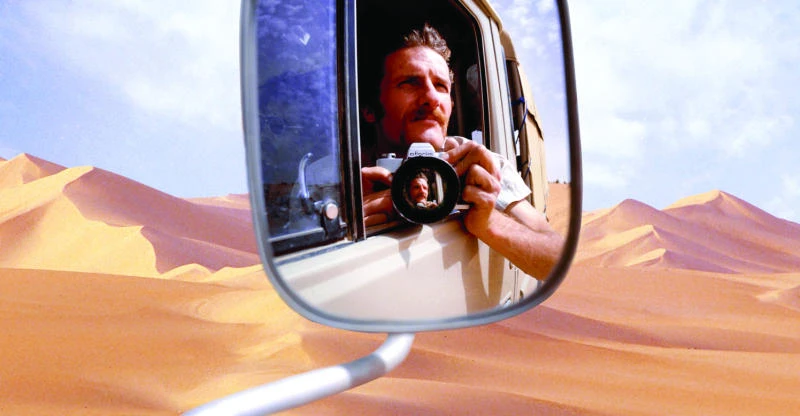
When Chekhov Minosa, the French photographer, arrived in Najran in 1977 to take photographs of its ruins and locals, he would keep rolls of film in an ice-bag to keep them from being destroyed from excessive heat. He would then send them to Riyadh and from there, to Paris, for development.
Thirty-six years later, he came back to Najran to show its people the snapshots of history that were captured by him a long time ago.
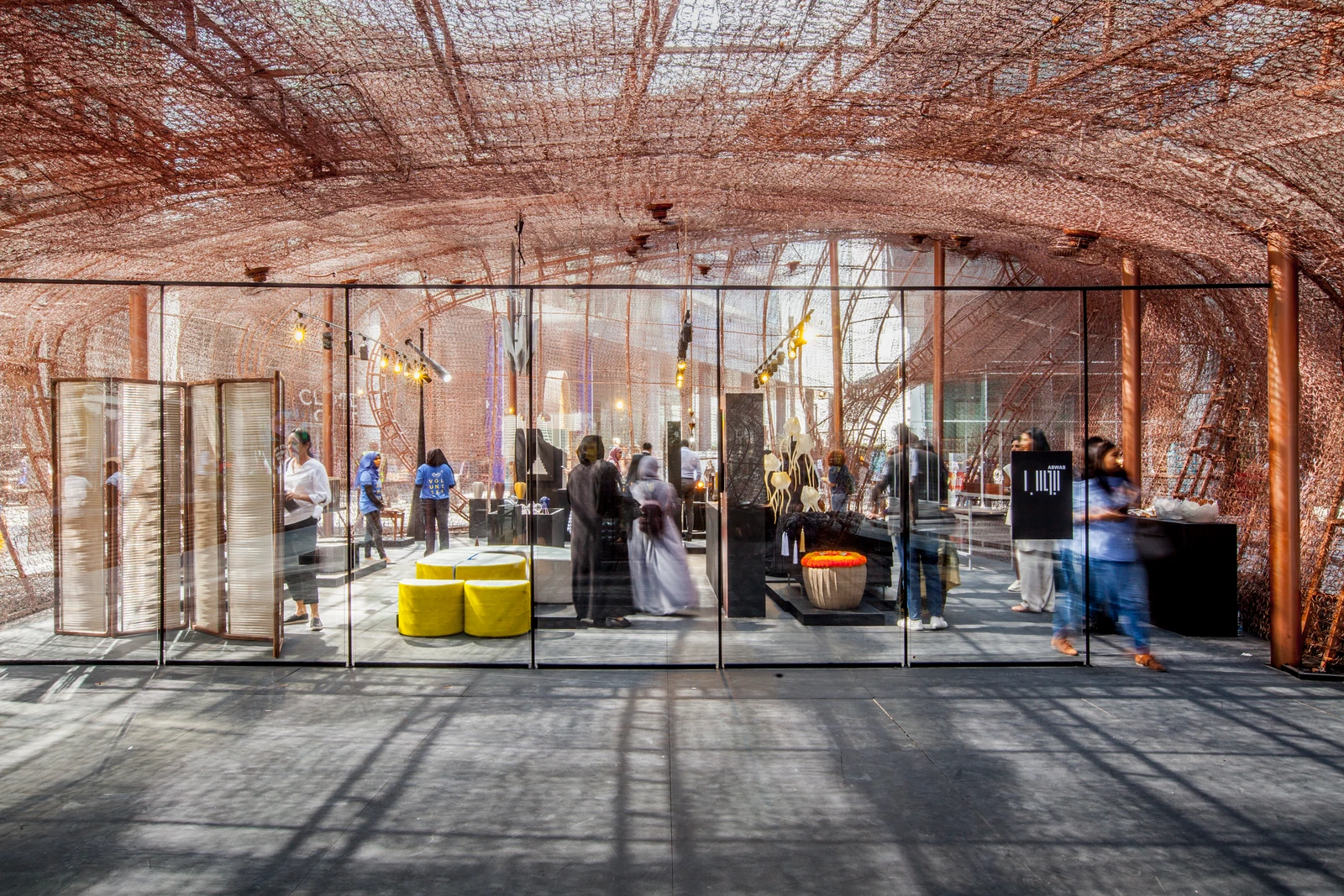
Minosa launched his documentary book, which includes a number of rare photographs, at the same time as the festival commemorating Qais ibn Sa’idah, the famous Arab rhetorician. The festival administration gave Miosa a tent with 4 TV screens in order to showcase the 500 photographs he took in Najran 36 years ago.
The photographs captured rare moments of Najran’s ruins, customs, traditions, activities, celebrations, local crafts and handicrafts, in addition to its folk art.
“I came to Najran in 1977 in response to an invitation from the Saudi government at the time to take photos of a number of Saudi cities,” he told Asharq Al-Awsat newspaper.
“For me, Najran was the dream I was looking for. For the first time in my life, I saw the desert, tents and camels. Before my mission came to an end, I signed another contract with the businessman, Ali Musallam, to write a book about Najran. I came back to Najran and stayed there for two years, during which I took hundreds of pictures,” he said.
“I must say that life was tough 36 years ago. Many villages had no electricity. I used to sleep in the desert, accompanied by my companion, Atran Aqeel, who was doing his best to persuade people to allow me to take pictures. The people there simply had no idea what a camera was,” he added.
“The book was published in 1982, and I was keen to show it to Aqeel. Much to my surprise and sadness, he had died. I really cried and was sad for six months. I wrote a dedication for him on the book cover,” he said.
The 150-page large-sized book, entitled Najran, was published in Arabic and English. It has separate sections for agriculture, architecture, arts, customs, life in the desert and modern Najran.
The books show pictures of the ancient groove, one of the well-known ruins in the area.
French photographer displays vintage work