BEIJING: Activity in China's factory sector shrank at its fastest pace in almost 6-1/2 years in August as domestic and export demand dwindled, a private survey showed, adding to worries that the world's second-largest economy may be slowing sharply.
China's surprise devaluation of the yuan last week and a near-collapse in its stock markets in early summer have sparked fears that it could be at risk of a hard landing which would hammer global growth, sending financial markets into a tailspin.
Japanese Economics Minister Akira Amari said on Friday he expected China's government to take steps to prevent its economic slowdown from becoming a global problem.
The preliminary Caixin/Markit China Manufacturing Purchasing Managers' Index (PMI) stood at 47.1 in August, well below a Reuters poll median of 47.7 and down from July's final 47.8.
The reading was the worst since March 2009, in the depths of the global financial crisis, and the sixth straight one below the 50-point level, which separates growth in activity from contraction on a monthly basis.
The flash PMI, the earliest economic measure to be released about China each month, is closely followed by global investors for clues on the health of the economy.
A detailed breakdown of the activity survey showed conditions were deteriorating on almost every level, with factory output sinking to a near four-year low, domestic and export orders declining at a faster rate than in July and companies laying off more workers.
US Federal Reserve policymakers discussed China, Greece's debt crisis and the weak state of the global economy at their last meeting in July, according to minutes of the meeting released this week. But analysts still expect the US central bank to raise interest rates later this year.
US stock futures fell sharply after the PMI report and most Asian stock markets and the Australian dollar extended early losses. Overnight on Wall Street, the S&P 500 sank to a more than six-month low on concerns about how China's slowdown would impact global growth.
Chinese authorities have struggled to stabilize the country's stock markets after a near-collapse in early summer, and stunned financial markets this month by devaluing the yuan by nearly 2 percent.
The central bank said the yuan move was a technical one and part of a reform process, but many investors fear the currency will be allowed to depreciate further amid political pressure to shore up flagging exports, potentially triggering a global currency war. The gloomy PMI figure followed other official data last week that showed growth in China's factory output, investment and retail sales were all weaker than expected in July, dashing hopes that the economy was finally stabilizing after a flurry of support measures over the last year, including four interest rate cuts and a massive stock market rescue.
Analysts have warned that China will struggle to meet its official economic growth target of 7 percent this year if it doesn't ratchet up policy support to combat cooling activity.
Some economists believe current growth levels are already closer to half that.
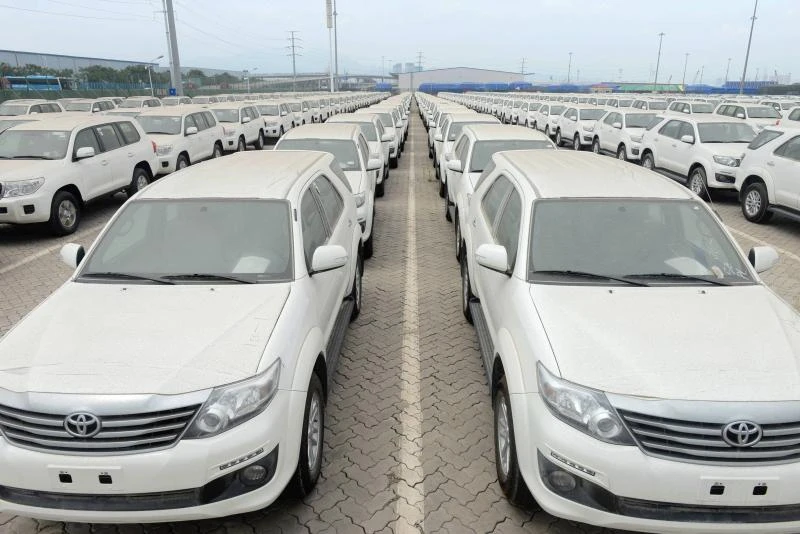
China's factory sector shrinks at fastest pace in 6-1/2 years