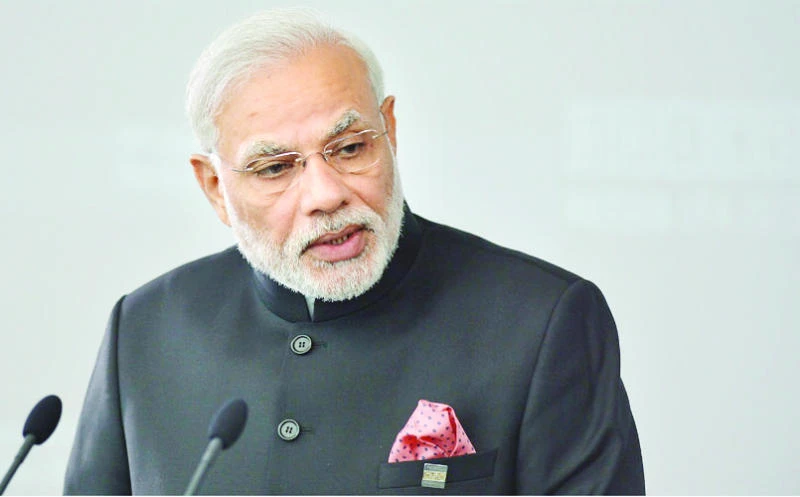
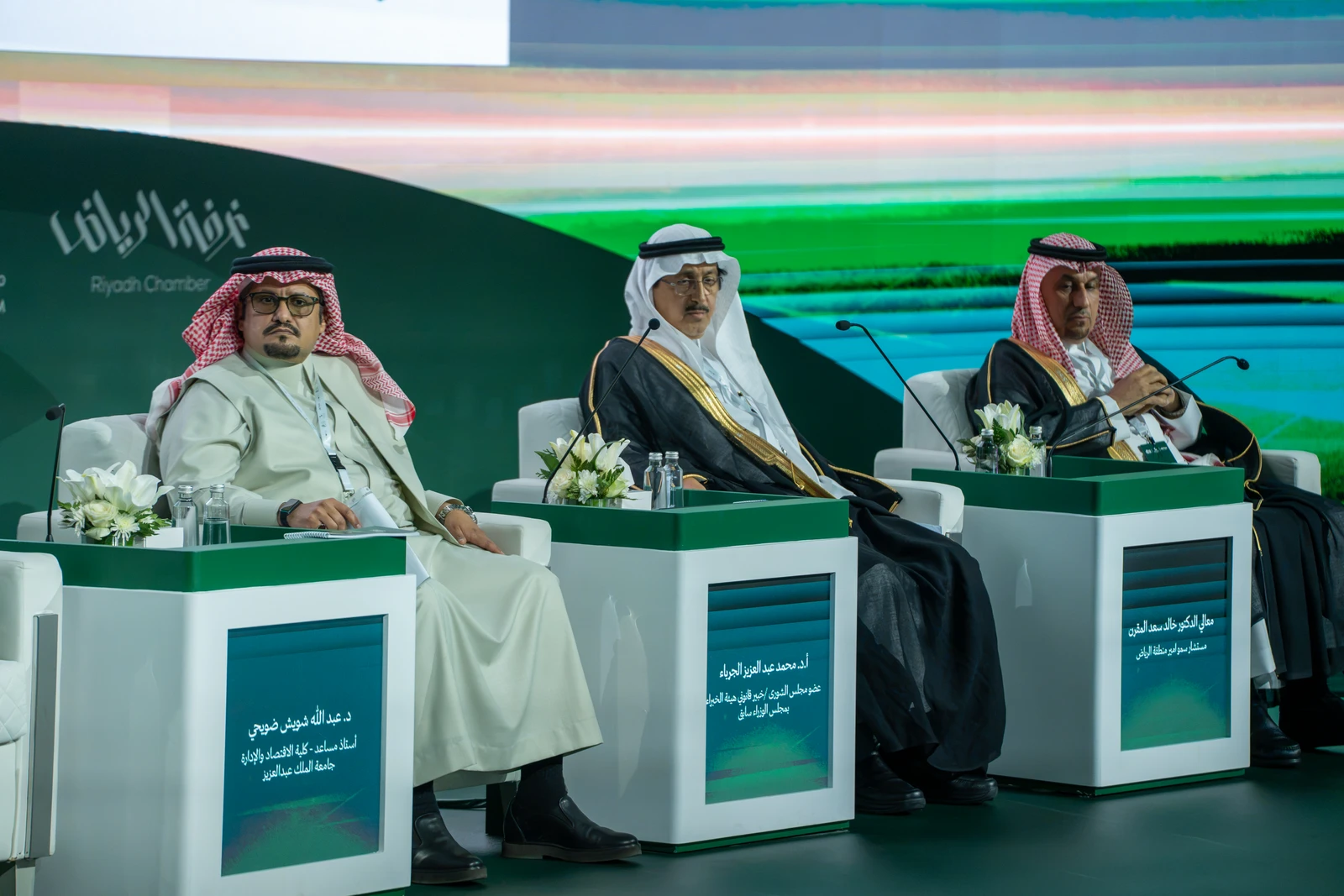
JEDDAH: Saudi Arabia and India enter into a new era of closer bilateral relations with the arrival of Indian Prime Minister Narendra Modi in Riyadh on a two-day visit.Modi’s visit comes at a time when the two countries have become power to reckon with, especially as both are members of the G-20 grouping and both are among the fastest growing emerging markets.
“As India grows in stature in the international power system, it is likely to play gradual yet a growing role in the Middle Eastern regional security system,” says a prominent Saudi analyst.
Fawaz H. Alfawaz, a Riyadh-based economic consultant, said the relationship between Saudi Arabia and India is likely to be elevated to the strategic level. “The visit by Indian Prime Minister Narendra Modi presents an opportunity to forge a strategic understanding rooted in the national interests of both powers. They share membership in the G-20 grouping of the largest economies. India has significant Muslim minority that would qualify to be one of the largest Muslim countries, and both are pivotal powers within their respective regions,” Alfawaz added.
At the economic level, trade is growing briskly, especially as India becomes richer and its imports of Saudi oil and petrochemical products increase.
Saudi Aramco is reported to be eyeing further investments in the oil refining business. The manpower relationship is very important as Saudi Arabia is host to a large Indian expatriate community that contributes to the Saudi economy and India reaps significant income in terms of remittances.
About 2.96 million Indian expatriates in Saudi Arabia send over $10 billion in remittances every year.
Fahd Al-Rasheed, Group CEO and managing director of King Abdullah Economic City (KAEC), told Arab News: “India has traditionally been an important trading partner for Saudi Arabia. Our trading relationship today is heavily weighted toward oil, but when you look at India’s expertise in nonoil industries such as pharmaceuticals, automotive and professional services it is clear that there remain many areas of untapped potential.”
“The Saudi market has a great deal to offer Indian business in terms of scale and growth potential based on strong economic fundamentals. I would urge Indian businesses to follow the prime minister’s lead and look closely at Saudi Arabia as a destination for trade and investment,” Al-Rasheed said.
Indian companies have built up an enviable record of success in manufacturing and knowledge-based industries that have considerable growth potential in this country. For example, Saudi Arabia imports more than 80 percent of its pharmaceutical products and is an attractive destination for India’s burgeoning pharma and bio-pharma industries, he said.
KAEC is already home to a number of companies that are either Indian in origin or founded by Indian entrepreneurs, most recently the Indian pharmaceutical leaders Aurobindo.
James Reeve, deputy chief economist and assistant general manager, Samba Financial Group, said India can offer more opportunities to foreign investors, especially in services. “The Indian prime minister clearly sees value in improving the India-Saudi relationship. Historically, ties have not been very strong because of Saudi-Pakistan ties, which are very good. Also, Saudi Arabia has an interest in capturing Indian oil market share by building new refineries there.”
India and Saudi Arabia enjoy cordial and friendly relations reflecting the centuries old economic and socio-cultural ties. The establishment of diplomatic relations in 1947 was followed by high-level visits from both sides, according to the information provided by the Embassy of India in Saudi Arabia.
King Saud visited India in 1955 and the Prime Minister Jawaharlal Nehru visited the Kingdom in 1956. The visit of Prime Minister Indira Gandhi to Saudi Arabia in 1982 further boosted the bilateral relations.
In the recent times, the historic visit of the late King Abdullah to India in 2006 resulted in signing of Delhi Declaration imparting a fresh momentum to the bilateral relationship. The visit provided the framework for cooperation in all fields of mutual interest.
The reciprocal visit by Prime Minister Manmohan Singh to Saudi Arabia in 2010 raised the level of bilateral engagement to the Strategic Partnership.
Saudi Arabia today is India’s 4th largest trade partner. The Kingdom remains a major source of energy as India imports around 19 percent of its crude oil requirement.
Saudi Arabia is the fifth largest market in the world for Indian exports and destination of 3.6 percent of India’s global exports. On the other hand, Saudi Arabia is the source of 6.3 percent of India’s global imports. For Saudi Arabia as per 2014 data, India is the 5th largest market for its exports, accounting for 8.87 percent of its global exports. In terms of imports by Saudi Arabia, India ranks seventh and remains the source of around 3.61 percent of total Saudi imports.
The import of crude oil by India forms a major component of bilateral trade, Saudi Arabia being India’s largest supplier of crude oil accounting for almost one-fifth of its needs.
According to Saudi Arabian General Investment Authority (SAGIA), it has issued 426 licenses to Indian companies for joint ventures/100 percent owned entities till April 2015, which are expected to bring a $1.6 billion total investment in Saudi Arabia.
Moreover, several Indian companies have established collaborations with Saudi companies and are working in the Kingdom in the fields of designing, consultancy, financial services and software development.
Saudi Arabia is the 47th biggest investor in India with investments from April 2000 to September 2015 amounting to $58.83 million. In addition, Saudi Basic Industries Corp. (SABIC) set up its research and development (R&D) center in Bengaluru with an investment of over $100 million in
November 2013.
Indian businesses urged to tap more opportunities in Saudi Arabia