The SABB/HSBC Emerging Markets Index (EMI), a monthly indicator derived from the PMI surveys, rose to a 17-month high of 52.5 in August, from 51.7 in July. That signaled stronger growth of output across global emerging markets, led mainly by a sharper increase in Chinese service sector activity. The EMI remained below its long-run average of 53.8 (since late-2005), however.
Service sector output in emerging markets rose at a stronger rate in August, with growth almost matching June’s 15-month high. Manufacturing output rose at a rate unchanged from July’s eight-month high.
Among the largest emerging markets, China posted the fastest growth since March 2013. Output in Russia and India rose at weak rates, while a marginal contraction was signaled for the fifth month running in Brazil.
The SABB/HSBC EMI Index registered new business growth regaining the momentum lost in July, and was the joint-fastest in nearly a year-and-a-half. That said, backlogs continued to decline marginally, signaling spare capacity. Employment was broadly stable, in line with the underlying trend shown throughout the past year-and-a-half.
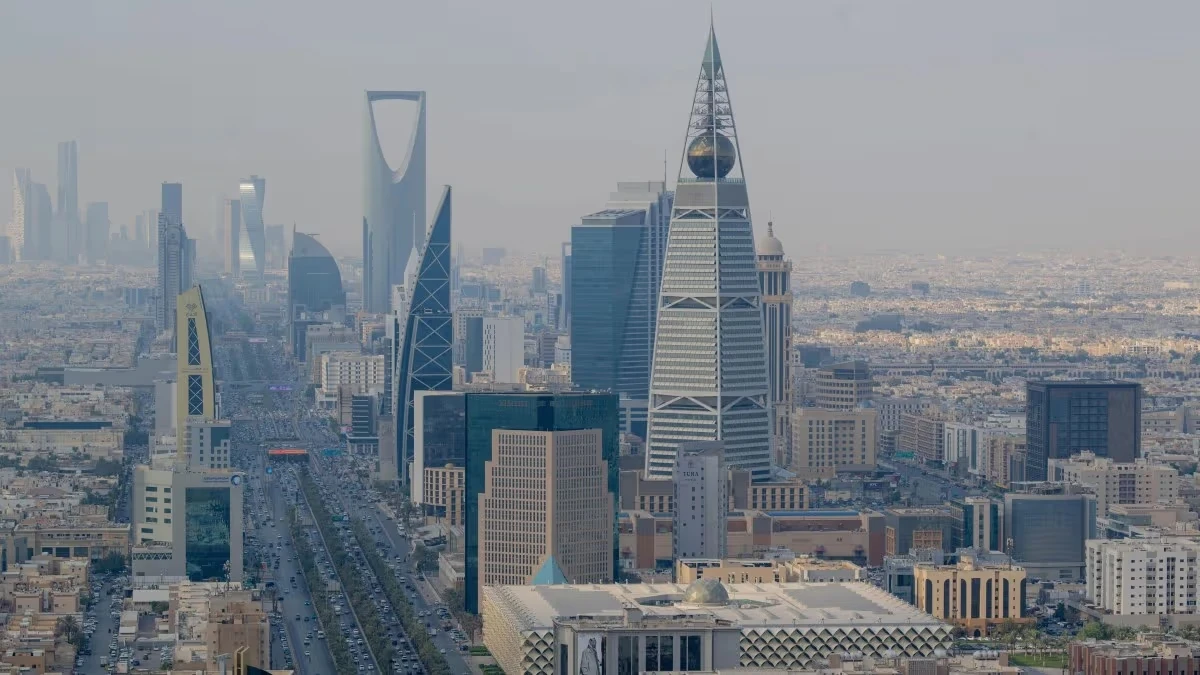
The SABB/HSBC EMI Index indicated that the expansion rate of Saudi Arabia’s nonoil producing private sector gained momentum during August, with output, new orders and employment all increasing at stronger rates compared to July. Inventory accumulation also strengthened as companies retained optimism regarding future activity requirements.
The UAE’s nonoil producing private sector companies posted a marked strengthening of business conditions in August, as new orders and output rose at accelerated rates. Furthermore, new business expanded at the second-quickest pace in the series history to date. Meanwhile, the rate of growth in new export business rose to a record high.
Arab News