SHANGHAI: China will dramatically expand the size of a free trade zone (FTZ) in Shanghai to include the city’s commercial center where major multinational companies and Chinese banks have their headquarters, state media reported.
The Xinhua news agency cited the conclusion of the 12th meeting of the National People’s Congress, but it did not given a date for the formal expansion nor mention any new policies for the zone.
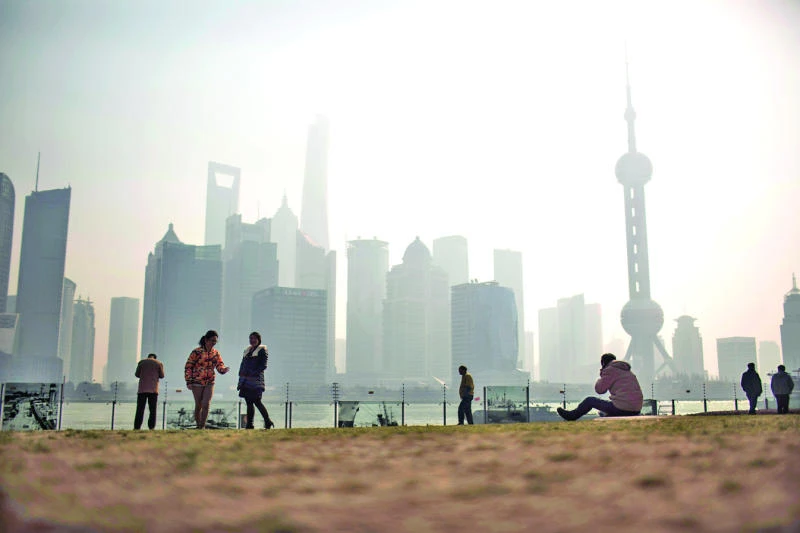
Under the plan, the zone will be enlarged to include the Lujiazui financial district, Shanghai’s riverside commercial center and home to its tallest skyscrapers. It will include the Jinqiao and Zhangjiang districts nearby.
The expansion will allow companies in those areas to take advantage of existing preferential policies for companies in the free trade zone and it fulfils a government commitment to expand the zone once conditions were deemed ripe.
The zone was launched in 2013 to much fanfare but it has failed to live up to expectations.
Media reports predicting that opening the FTZ would be followed by deep liberalization to China’s capital account, the scrapping of wide restrictions on foreign investment, and even the lowering of China’s censorship firewall inside the zone went largely unfulfilled.
At the same time, the leadership gave the green light to many projects outside the zone that duplicated or exceeded the policy benefits the Shanghai municipal government hoped would remain exclusive.
Not only did Beijing authorize competing zones in other cities, it also launched nationwide pilots testing liberalization for currency controls and cross-border investment, most recently the Shanghai-Hong Kong Stock Connect program, that diminished the zone’s relative appeal.
The Shanghai zone’s geographic isolation out near the airport and the port area was also a disadvantage.
Companies with existing footprints in the city were reluctant to relocate given uncertainties about the depth of Beijing’s commitment to the Shanghai FTZ — a caution now paying off for those who waited.
In addition, analysts said that while many of the liberalizations implemented in the zone targeted service industries, the zone’s separate areas were all far from the central business district.
Long commutes to meetings deterred many companies that might have otherwise been interested, analysts said.
In addition, real estate speculation grew so fierce that the zone government stepped in to control prices.
The Xinhua report also said that the geographic limits of trade zones in Guangdong, Fujian province and the city of Tianjin had been set.
Shanghai FTZ expansion to include commercial center