LONDON: Extremist attacks, plunging markets, and the break-neck pace of technological innovation. The world is beset by uncertainties as 2,500 business executives, political leaders and activists gather in the Swiss Alpine town of Davos this week.
Although the glitzy event, which features speeches, panels and debates, has drawn criticism for being disconnected from the real world, many participants stress the practical advantage of having so many peers in one place.
The meetings can lead to corporate deals and diplomatic dialogue. Last year, Ukraine struck an international bailout deal in Davos.
"A lot of relationships are built and renewed," said John Veihmeyer, chairman of the consulting firm KPMG.
The annual gathering organized by the World Economic Forum is mainly a business event but it has grown over the years to attract world leaders, celebrities, Nobel prize winners and star academics.
This year's meeting is officially about how to harness technological change. In practice, it will be abuzz with discussion about the multitude of risks facing government and business leaders.
Here's a look at what's likely to dominate the meetings.
CHINA
The future of China has become synonymous with the fate of the global economy and financial markets. Concerns about Beijing's ability to handle a slowdown in the world's second-largest economy have caused stocks to plunge this year. The big risk is that China's decline might become disorderly and hammer business activity or trigger a financial crisis. The country is a huge consumer of raw materials and energy from states like Brazil, Australia, and Russia. Its outsize industrial sector buys machinery from the West and makes and exports consumer goods at a low cost. And the growing middle class has become a key market for car makers and luxury goods companies.
Key people to watch: Jack Ma, the head of Chinese retail giant Alibaba, International Monetary Fund chief Christine Lagarde, and Fang Xinghai, representative of China's financial market regulator.
OIL
The dramatic slide in energy prices is shaking up companies and economies. While making fuel cheaper for consumers and businesses, the drop in oil prices is also leading to thousands of job cuts in the energy sector and financial instability and poverty in oil-exporting countries like Russia and Venezuela. And world powers' agreement this weekend to lift sanctions on Iran will see the country start pumping millions of barrels of oil into the already oversupplied market, as well as a rush to sign business deals with the country.
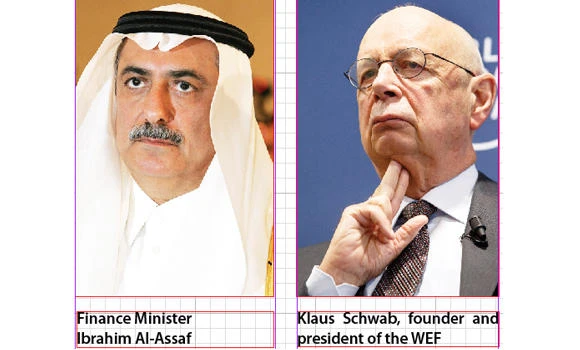
Key people: Iran Foreign Minister Javad Zarif, Saudi Finance Minister Ibrahim Al-Assaf, Shell CEO Ben van Beurden, Iraq Prime Minister Haidar Al-Abadi.
TECHNOLOGY
This year's meeting is officially focused on how "the fourth industrial revolution" will change every aspect of society, from health to business and travel. Among the most immediate concerns is how to protect companies and governments from cyberattacks as business increasingly goes digital. But participants will also be keen to discuss opportunities created by growing trends such as 3D printing, driverless cars, robotics and new biotechnologies.
Key people: Eric Schmidt, executive chairman of Google parent company Alphabet, Facebook COO Sheryl Sandberg, and Airbnb co-founder Nathan Blecharczyk.
What to look out for at Davos this year