- The region possesses approximately 50% of the world's proven oil reserves and over 90% of its spare production capacity, making its stability critical for global economies.
- Aramco's resilience during crises is attributed to rigorous facility standards, diverse export routes, and strong localization efforts, with over 90% of restoration materials sourced domestically.
- Looking ahead, Aramco aims to increase gas production capacity by about 80% by 2030, aligning with the Kingdom's goal of equality in electricity generation from gas and renewables.
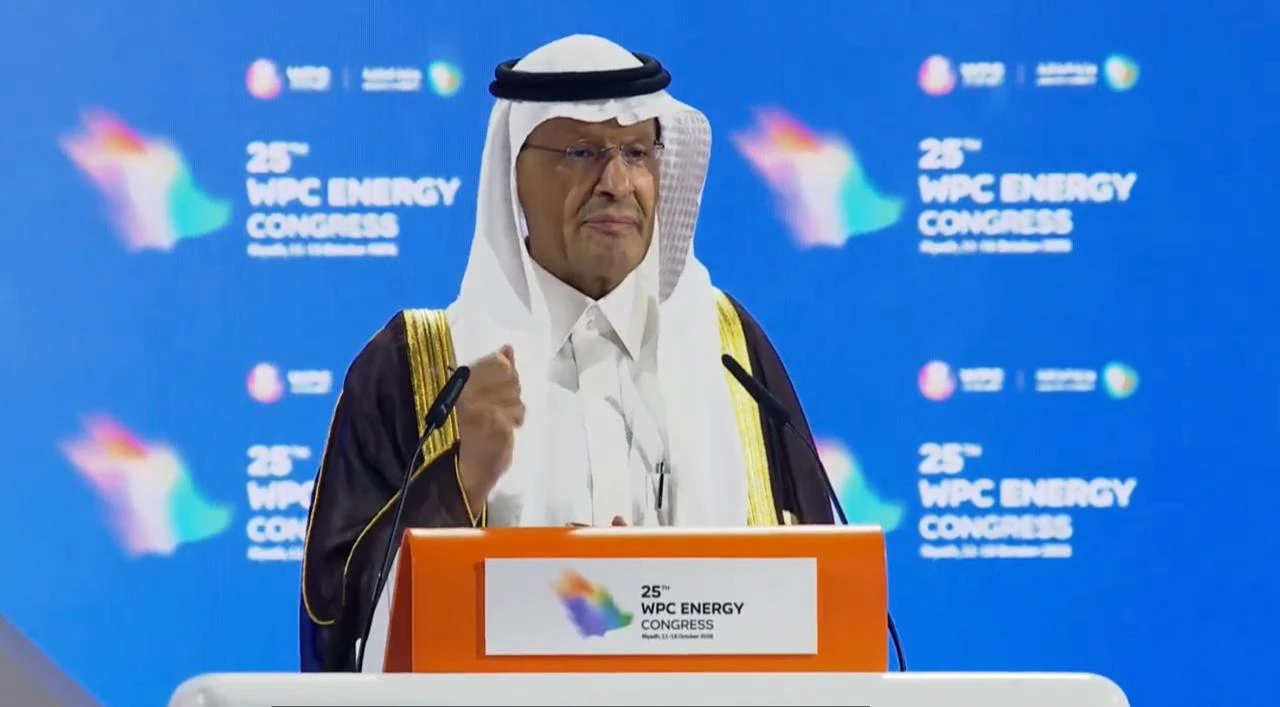
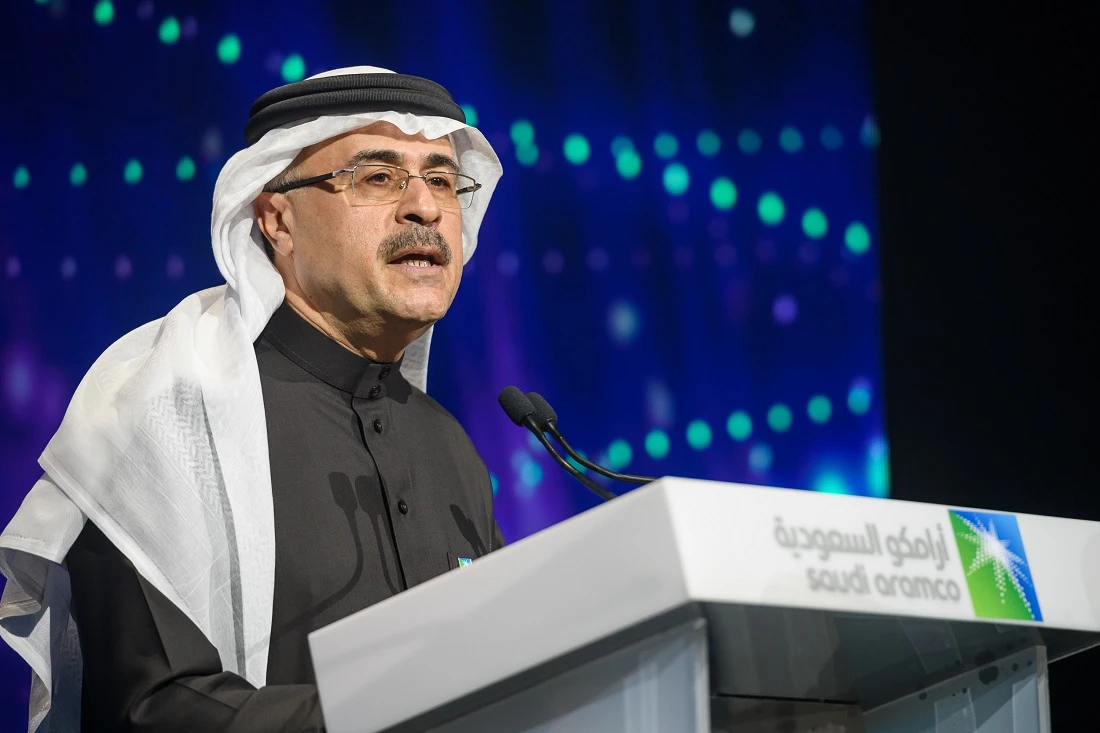
RIYADH: Safeguarding the energy infrastructure and supply routes the world depends on demands collective international action, Aramco President and CEO Amin Nasser said on Monday.
Speaking at the 25th WPC Energy Congress in Riyadh, Nasser said Saudi Arabia had invested deeply in protecting its supplies, but "no nation, even one as capable and confident as ours, can safeguard them alone."
The stakes, he said, are global. The region holds around half of the world's proven oil reserves and more than 90 percent of its spare production capacity.
"Markets can diversify suppliers. They cannot diversify geography," he said. "So when energy infrastructure in this region is targeted, the consequences reach economies everywhere."
Resilience by design
Nasser said the Kingdom's energy system had continued to perform with high reliability throughout the crisis.
He credited King Salman and Crown Prince Mohammed bin Salman, whose vision, he said, gave Aramco the confidence to invest "for moments like this."
He described Energy Minister Prince Abdulaziz bin Salman as "the experienced pilot who remains calm during turbulent times."
That resilience, Nasser said, was built long before the crisis. It rests on rigorous facility standards, spare capacity, diverse export routes, cyber protection, financial strength and, above all, people.
Building on it, Aramco is working with the Ministry of Energy to study additional crude export routes and expand overseas storage. It is also deploying frontier technologies to inspect facilities and accelerate restoration.
Local strength
Localization has proved decisive. More than 90 percent of the materials used to restore operations over the past eight months were sourced inside the Kingdom, Nasser said. That allowed repairs in hours and days, not weeks and months.
"In a crisis, localization is an economic multiplier," he said.
At home, Aramco's master gas system and refineries kept the economy moving. They supplied fuel, asphalt and industrial feedstock to a wider Saudi manufacturing chain.
"Energy resilience is much more than barrels available for export," Nasser said. "It is a system that also delivers value addition and jobs."
Gas and renewables
Looking ahead, Aramco is targeting a roughly 80 percent increase in sales gas production capacity by 2030 from 2021 levels.
Alongside the national renewable energy program, that underpins the Kingdom's goal of generating electricity equally from gas and renewables by the end of the decade.
The company is also exploring hydrogen, carbon capture and artificial intelligence.
Oil and gas, Nasser said, will remain at the core of the global energy mix. He argued that the transition must respect the growth ambitions of developing nations, warning that "energy poverty is a formidable barrier to growth."
He also called for greater recognition of what resilience is worth. Those who invest carry its costs, he said, while the benefits extend across economies. "There is real value in disruption avoided."
Nasser closed with an image from the Red Sea, whose marine life thrives because it evolved to withstand extreme stress. Aramco, he said, aims to be the same, "flexible and resilient under pressure."