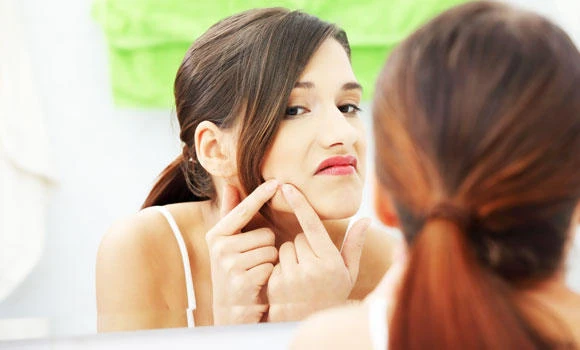
Acne is one of the most common skin problems during pregnancy. Latest studies show that one in every two pregnant women can expect to develop acne. In many cases, the acne may be severe.
“Acne surfaces on the skin of pregnant women because of the increased hormone levels in their first trimester. The high-level hormone causes the skin to produce more natural oils and it makes it hard to predict who will develop pregnancy acne,” said Dr. Layla Saeed, a dermatologist.
“Pregnant women who have a history of acne during their teenage years, have a higher risk for acne flaring at the start of their menstrual cycle. And if pregnant women don’t develop skin acne during their first trimester, it is unlikely they have breakouts that are out of the ordinary during the second or third trimesters,” she said.
The good news is, the same three avenues of acne cream are used outside a pregnancy. Topical treatment, oral treatments and facial acne cleaners are still applicable with some caution. “There is a 50/50 chance your acne will get better just for being pregnant. There is also a 50/50 chance that due to your altered hormonal state, it will even get worse,” said the dermatologist.
“If you never had acne, pregnancy can even cause it sometimes. Sadly, there is no way to protect you from pregnancy acne. Just follow simple ways to cleanse, wash to help at least control your acne spreading. Always start with the simple solutions then step up to the bigger treatments only if needed,” she added.
Many dermatologists would recommend a number of up-to-date acne treatment, such as products that contain either erythromycin or azelaic acid. “Other products include over-the-counter products that contain either benzoyl peroxide or glycolic acid,” said Dr. Layla.
“It is commonly known that only around 5 percent of the applied medication on the skin is absorbed into the body. This means that those kinds of medication will not pose an increased risk of birth defects,” she said.
The dermatologist says all pregnant women should always put in mind that many current medications have not been effectively studied in pregnancy. She also advises all women to consult their doctor before they start their acne treatment or any kind of procedure.
Dr. Layla recommends pregnant women to choose the drug-free treatment to cure pregnancy acne. “Knowing it usually resolves after childbirth makes it easier on you to choose the safest option available, which is a chemical free treatment that will be great for you and your child,” she said.
Tips:
1. Limit washing your face to two times a day.
2. When you do wash, only use a gentle, oil-free, alcohol-free and non-abrasive cleanser.
3. Change your handkerchief every time you wash your face. Use disposable cotton pads or sonic cleansing system.
4. After washing, rinse your skin with only warm water. Then gently pat dry and apply heavy moisturizer.
5. Over-cleansing your face can over-stimulate the skin’s oil pores.
6. Wash your hair regularly. If you have oily skin, it is best to shampoo daily. Avoid oily hair products.
7. If you use cosmetics, stick to oil-free products. Look for descriptions such as water-based or noncomedogenic or nonacnegenic.
“The most important tip is to avoid the temptation to squeeze or pop facial pimples. This usually results in permanent acne scars. If you have clogged pores, get a professional facial,” said the dermatologist.
—
Email: [email protected]
Treating acne during pregnancy