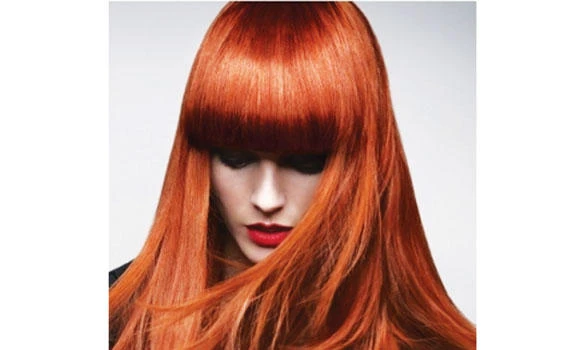
Getting your hair colored at the salon can be very expensive. Many women prefer to buy their own hair dye hoping to get a salon-perfect hue at home. Sometimes women are not even satisfied with the service and the color chosen by the colorist at the salon, but still pay for it. Other women choose to do it themselves at home and experiment with colors.
We spoke to beauty artist Christy who gave us insider tips on how to perfect your hair coloring from the comfort of your home. “The first tip for women is to identify their natural hair color. It determines where to start when you’re choosing your desired shade,” she said. “Women with warmer base tones and who are naturally blond can take on different colors than someone with a cooler starting hue. Or you could ask your hairstylist, who will be more attuned to identifying nuanced tones,” she added.
Don’t go crazy with the color. Take your dye one step at a time. “The more distinct the change you are going for, the more likely the results will be metallic, ashy or just simply disappointing,” said Christy. “Think more of a steady shift in color; you can transform your self from dark brown to chocolate brown and from a brunet to hazelnut color which is completely reasonable,” she added.
Try the color on your hair before going at it. “I always recommend people who are going for colors that are more than three shades lighter than their natural hair to try those first to find what suits you best,” she said. “If it’s possible, try out a wig that is close to your desired color. This is the best way to to determine if the shade is right for you,” she added.
Buy a shade lighter than you want because hair dye always comes out darker than the image on the box. “Buy one or two shades lighter than your desired color,” she advises. “It is easier to amp up a color’s intensity than it is to tone it down.”
Once you have chosen your color, it’s time to shop and always buy more product quantity than you need. “Depending on the length and thickness of your hair, you should always buy a few boxes of dye. Someone with below-the-chest strands may require three boxes to get full coverage,” she said. “It’s better to have too much hair dye, than to realize you need more halfway through,” she added.
Always experiment with different hair dye formulas. “I always encourage people to know their hair and if they have questions just ask their hairstylist or google the needed information for them to choose the right formula,” said Christy. “Foam dyes are best for women with sensitive skin, since the mousse-like formulas won’t drip onto the face or hairline. Women with thick or curly hair will have better luck with gel or liquid formulas will provide full coverage and distribute efficiently throughout the hair,” she added.
Choose the right season and be cautious of the weather. “If it’s raining outside, always cover your hair because using excessive water can wash off your dye and make it less shiny,” she said. “When it’s summer, don’t dive in the swimming pool because chlorine strips away the hair cuticle, allowing minerals in the water to get into the hair shaft and change your hair color. If you really want to dive in, get your hair colored at least two weeks before hitting the pool,” she added.
If it’s possible, skip the shower because your dirty hair is ideal for dyeing. “The scalp’s natural oils work as a buffer to prevent irritation,” says the beautician. “It’s also much easier to section second day hair, which ensures even color distribution.” She suggests skipping the shampoo a day before you plan to color. “After coloring your hair, you should choose a color preserving shampoo, which is gentle on your hair more than a clarifying or dandruff-fighting formula, that can strip away hair color with sulfates and harsh chemicals,” she added.
After going through any kind of chemical hair treatment, prepare your hair for the damage that it will face. “Hair always gets damaged when applying color, even if you’re going back to your natural hue. Both permanent and semi-permanent dyes contain hydrogen peroxide, which chemically changes the color of the hair pigment, she said. “Apply hair masks and moisturizers to your dry hair and restore shine. The mask aids in repairing damaged hair and fortifying strands so they resist further breakage, she added.
Finally, call an expert with any questions you have. “All hair dye brands offer a number where you can contact a real life hair color expert. I encourage women to call with any concerns and questions they have to learn more about the product or maybe search online to see other people’s experiences with the product,” said Christy.
—
Email: [email protected]
Your ultimate guide to hair coloring