- Saudi Arabia has identified approximately $1 trillion in infrastructure investment opportunities over the next 8 to 10 years, as reported by the Minister of Economy and Planning.
- The country's reliance on oil has decreased significantly, from 70% of the economy in 2019 to an expected 61% in 2024.
- Non-oil activities in Saudi Arabia grew by 1.8% in the first three quarters of this year, with projections of 4.7% growth in non-oil sectors by 2027.
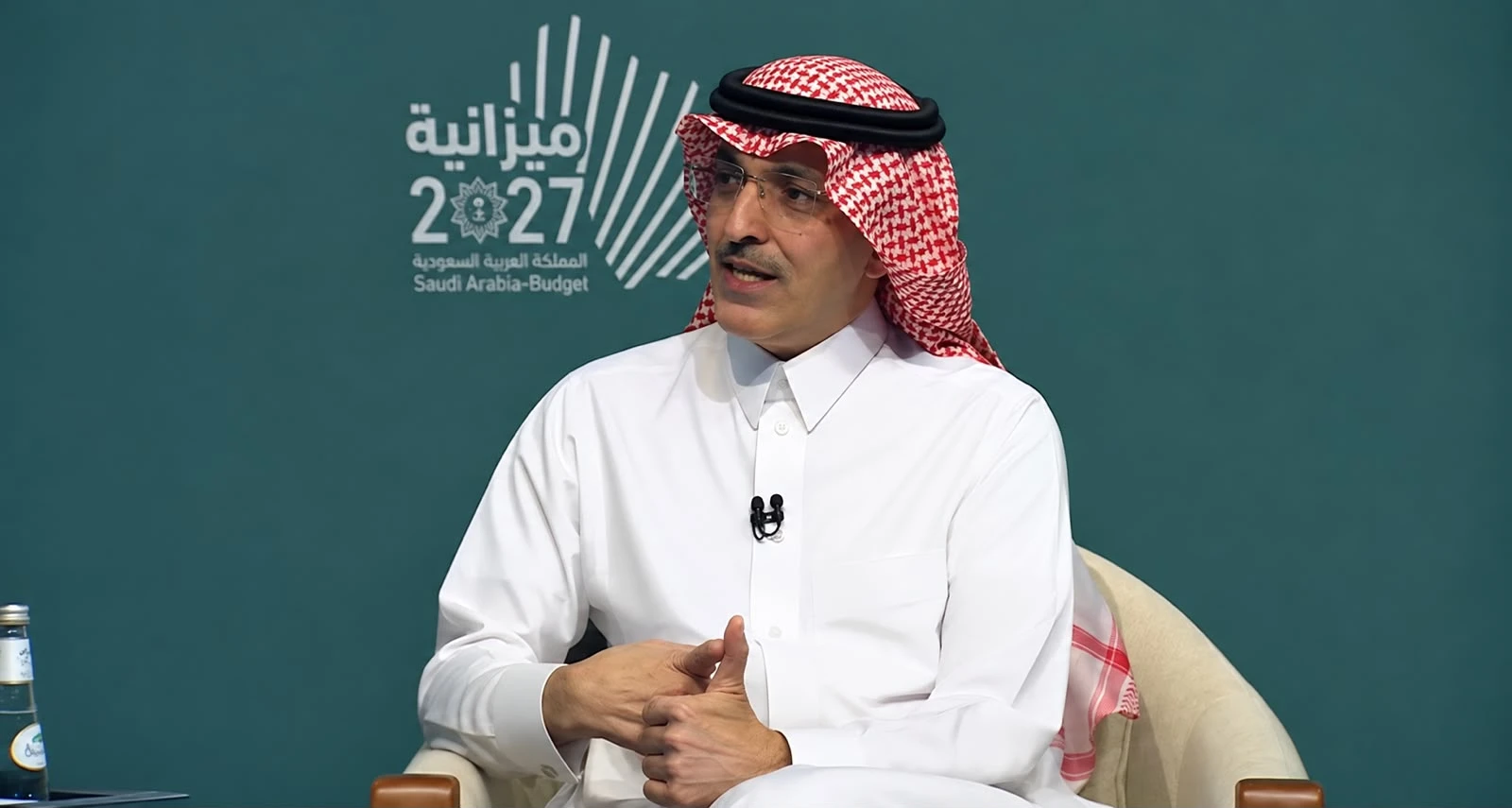
RIYADH: Investment opportunities in Saudi Arabia’s infrastructure sector are estimated at around $1 trillion over the next eight to 10 years, according to a two-year study, the Minister of Economy and Planning said.
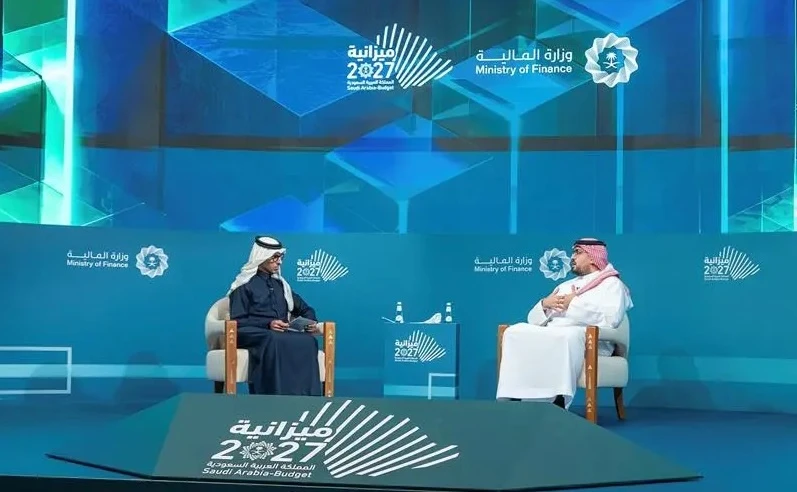
Faisal Alibrahim made the remarks during a panel session titled “Sustainable Economy” at the 2027 Budget Forum, the Saudi Press Agency reported.
He said the Kingdom’s economy has proved its operational and structural resilience in the face of challenges, thanks to the transformations it has undergone since the launch of Saudi Vision 2030. The minister pointed out that the national economy’s dependence on oil has decreased from 70 percent in 2019 to 61 percent in 2024, and has continued to decline since then.
“He explained that diversifying sources of growth and income contributes to reducing the economy’s vulnerability to fluctuations, increasing investments and the private sector’s contribution, creating jobs and improving their quality, and enhancing the competitiveness of Saudi exports in global markets,” the SPA report stated.
Alibrahim pointed to growing international interest in investing in Saudi infrastructure, given the Kingdom’s geographic location and the reach of its infrastructure’s impact on the global economy, the Saudi Press Agency reported.
He said global assets under management in infrastructure total $1.6 trillion. In a short period, the National Infrastructure Fund has committed SR10.5 billion ($2.79 billion) to projects worth SR60 billion, attracting at least SR4 from the private sector and investors for every riyal the state allocated through the fund.
Diversification and growth
The Kingdom’s non-oil activities grew 1.8 percent during the first three quarters of this year, including 1.9 percent in the third quarter. The ministry forecasts non-oil growth of 4.7 percent in 2027, and gross domestic product growth of 10.9 percent in 2027 and 3.8 percent in 2028.
The state’s non-oil revenues have tripled since the launch of Vision 2030 and now cover 36 percent of total expenditure, compared with 17 percent before the Vision.
Alibrahim said strengthening structural resilience rests on continued diversification, reducing the reliance of economic activity on government spending, and giving the private sector room to expand.
Operational resilience
He said the energy system restored oil production to 10.6 million barrels per day, close to pre-disruption levels. Oil exports reached 7.47 million barrels per day, the highest in four years.
The transport and logistics system also coped with navigation challenges in the region, with the Red Sea ports’ share of non-oil exports rising from 19 percent to about 41 percent in record time. Air freight in the Riyadh region regained its capacity in record time after the October events, surpassing previous levels.
Investment appeal
Saudi Arabia climbed four places to rank 13th globally in foreign direct investment inflows, the minister said. Gross fixed capital formation, which measures investment in buildings, factories and infrastructure, rose 2.7 percent in the second quarter of this year.
He outlined four pillars that strengthen the Kingdom’s appeal for high-quality, long-term investment: its efforts to establish lasting regional stability; long-term planning; economic integration and strategic partnerships with other countries; and the strength and purchasing power of the domestic market, with a population of more than 35 million and a marked rise in visitor and tourist numbers.
Alibrahim highlighted economic integration among the Gulf Cooperation Council states, whose economies total about $2.4 trillion. He cited the GCC common market, the customs union, the GCC railway project and the rail link between Saudi Arabia and Qatar, which he said bring greater clarity to investors.
He also pointed to the announced implementation of Pillar Two of the global minimum tax and the signing of the free trade agreement between the GCC and the UK, the first such agreement with a G7 country. He said both steps help give investors greater clarity and make investment decisions easier.
Private sector
Alibrahim stressed the central role of the private sector in strengthening the national economic structure. Financial services, insurance and business services grew 3.3 percent in the second quarter of this year, while social, community and personal services grew 4.1 percent. The number of Saudis working in the private sector rose by about 190,000 over the year.
He said making optimal use of government resources opens greater opportunities for the private sector and creates fiscal space to support growth in priority sectors. He said the coming phase will see further growth in the private sector’s contribution, in both quantity and quality.
The minister said the ultimate goal of strengthening structural resilience is to grow household income, alongside growing the state’s resources and deploying them optimally. He stressed that the Kingdom is a pillar of stability in the global economy, energy security, trade stability and the movement of goods.