- Saudi Arabia's finance minister announced that the Kingdom does not need to tap financial reserves and is less exposed to oil price fluctuations.
- The Kingdom's reserves have increased by approximately 20% since 2022, despite ongoing budget deficits.
- Non-oil revenues now cover about 37% of government expenditure, up from 16% in previous years, enhancing budget stability.
- The Saudi government has maintained economic stability and uninterrupted services during regional crises, with both oil and non-oil revenues exceeding predictions.
- The debt-to-GDP ratio remains low compared to other G20 economies, with ongoing deficits reflecting strategic fiscal choices rather than economic distress.
- Measures are being introduced to support affected economic sectors and retain jobs, while domestic borrowing is kept below capacity to avoid competition with businesses.
RIYADH: Saudi Arabia does not need to tap financial reserves and is less exposed to oil price fluctuations, the Kingdom's finance minister said as he highlighted market stability and uninterrupted services during the regional crisis.
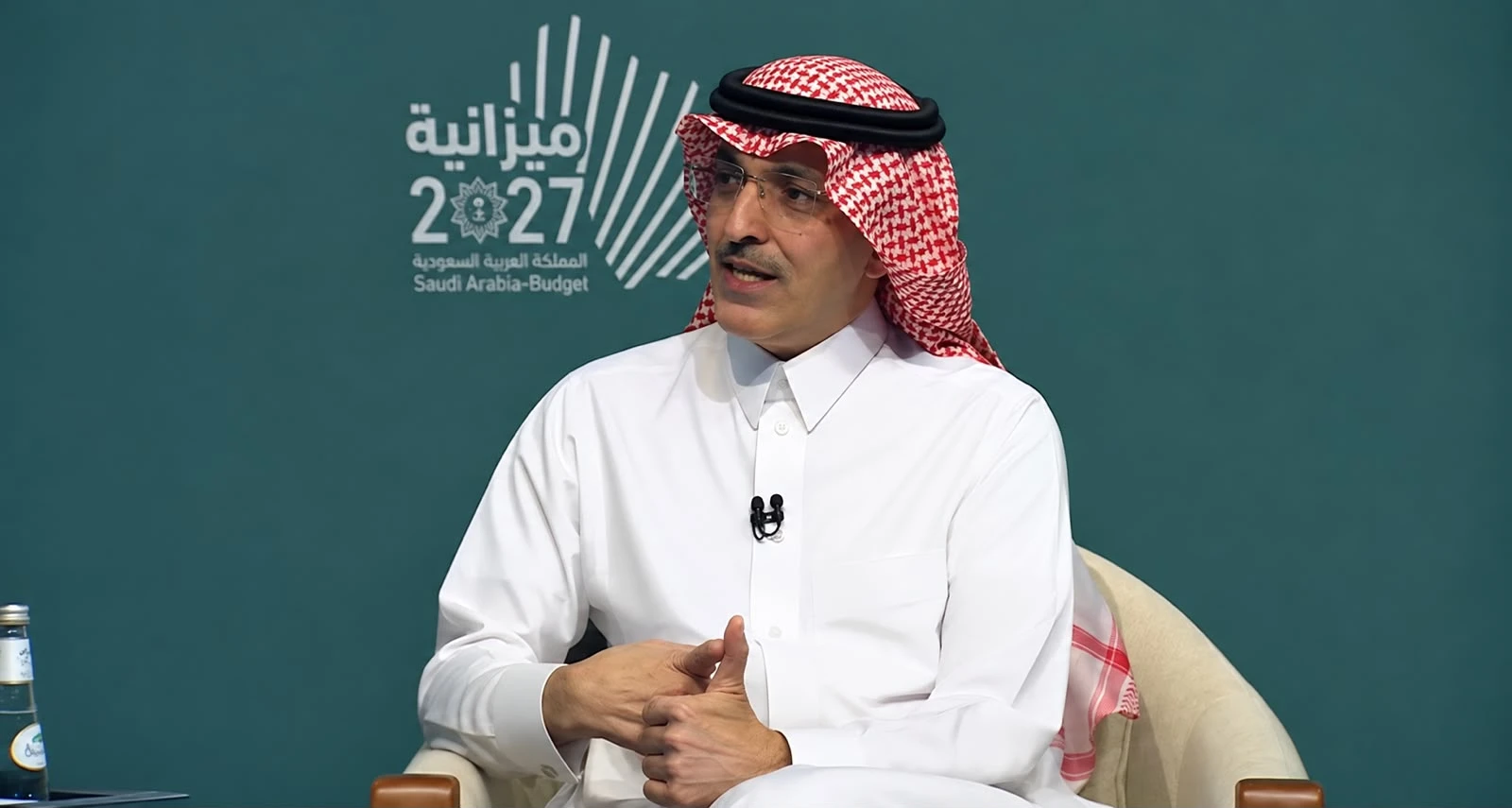
Speaking at the Budget 2027 Forum in Riyadh on Nov. 25, Mohammed Al-Jadaan said the Kingdom’s reserves has increased by approximately 20 percent since 2022 despite budget deficits.
This comes as the Kingdom’s non-oil revenues now cover approximately 37 percent of government expenditure, compared with 16 percent in previous years, enabling more stable public spending and greater certainty in medium-term fiscal planning.
Al-Jadaan said: “We are no longer as exposed to fluctuations in oil revenues as we once were.”
He added: “There is no cause for concern. Nor is there any need at this stage even to consider drawing on our reserves.”
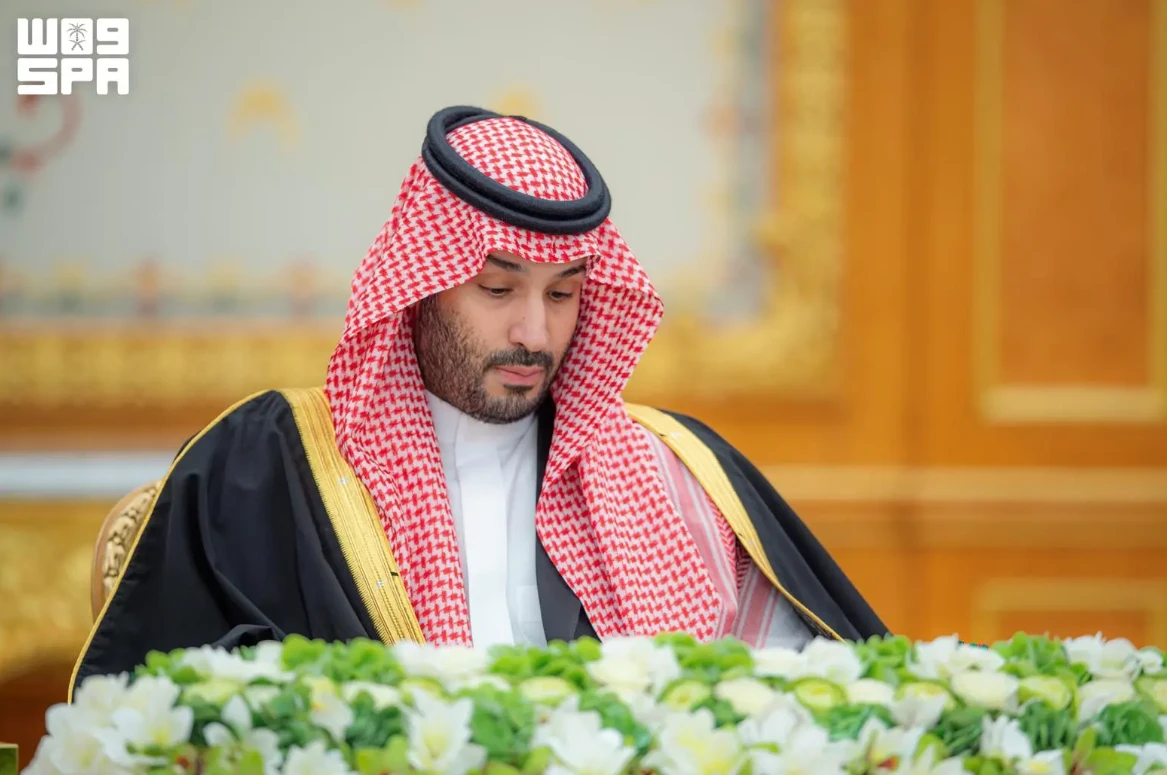
His remarks came a day after the Saudi Cabinet approved the 2027 state budget, projecting expenditure of SR1.39 trillion ($371.2 billion), revenues of SR1.2 trillion and a deficit of SR190.56 billion.
The government has continued to run budget deficits as it funds investment in economic diversification, infrastructure and development projects under its Vision 2030 programme.
Al-Jadaan said the Kingdom has maintained stability despite the onset of the US-led war with Iran, with both oil and non-oil revenues exceeding projections.
“If we look at the period since the crisis began on February 28 to the present, have we ever witnessed any disruptions to the markets, any shortages of goods, any interruption in essential services like healthcare infrastructure or port services?” he said.
Fiscal resilience
The minister said Saudi Arabia’s debt-to-GDP ratio remained among the lowest in the Group of 20 economies, adding that budget deficits should not be viewed in isolation because some reflected deliberate fiscal policy choices.
Vision 2030 has strengthened the government’s ability to respond to crises, while non-oil economic growth, consumption and private sector investment remained strong, he said.
Saudi Arabia has sought to reduce its exposure to oil price volatility by expanding non-oil economic activity and diversifying government revenue sources.
Al-Jadaan said alternative shipping routes through Red Sea ports have helped maintain supply chains during the regional crisis.
The daily number of trucks arriving empty and departing fully loaded at Jeddah Islamic Port has increased from about 2,000 to 10,000, he said.
Private sector support
Al-Jadaan announced that measures are being introduced to support affected economic sectors and help businesses retain Saudi employees and avoid layoffs.
He added that the government is keeping domestic borrowing below its capacity to avoid competing with businesses for financing.
The National Development Fund and its affiliated institutions have also provided loan rescheduling, working capital financing and guarantees to help businesses maintain inventories and ensure the availability of goods.
The forum also examined the impact of government policies on citizens, including food and water security, healthcare access, human capital development and real estate market stability, the Saudi Press Agency reported.
Organized by the Ministry of Finance, the event brought together ministers, officials and government leaders to discuss fiscal resilience, development priorities, investment opportunities and sustainable economic growth.