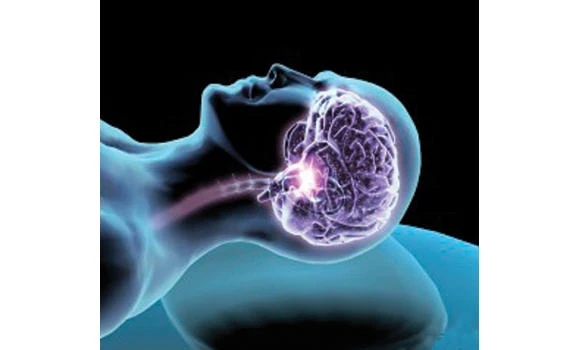
Although I still have more information and studies to pass on to you about the importance of sleep to our health, mental and physical performance and well-being, and energy, I feel I should wrap up the series. It has become a little too long, but I shall revisit the subject some other time. Because it is an essential behavior to humans and animals and not a “luxury” for the few, more and more studies and research are being performed on sleep.
Last week, I wrote about unhealthy behaviors that lead to poor quality sleep. These ranged from conflict and worries to horror and scary movies and video games, which demand concentration and extreme involvement in the game. They arouse the emotional spots in the brain, preventing restful sleep. This condition provokes negative physical and mental reactions such as tense nerves, muscles, and body, and racing thoughts, fear, anxiety, and thinking in circles, which keep you awake and too agitated to achieve healthy sleep cycles (Read about them in Parts 1&2). And if you do sleep, it would be disturbed with the troubled emotions and bad and confusing dreams, making you wake up unrested and irritated. When this happens night after night, disturbed sleep takes a toll on your mental and physical health.
I also discussed the necessity of exposure to sunlight to make enough vitamin D in order to help sleep soundly, energize the body and health, maintain the sanity of the brain, and regulate the biological clock. In case of a deficiency in D, the nutrient needs to be supplemented with D3, the more bioavailable type. Of course there are several foods, which are rich in nutritious elements that regulate sleep and make it restful, restoring, and sound. Today, I shall delve into that aspect to make sleep sound and deep.
Certain foods are good to consume with the evening meal. Some help, because they provide the body with tryptophan, the amino acid that converts to 5-Hydroxytriptophan (5-HTP), which then turns to the sleep hormone melatonin, our biological clock regulator. Others contain magnesium and calcium, which relax the body, and promote deep sleep. When your dietary supplement is not adequate and your sleep is irregular and disturbed, you should start taking the nutrients in supplement forms, starting with L-tryptophan. If it is not sufficient to make you sleep, take L-5-Hydroxytriptophan (5-HTP) and then melatonin. When you fly back from a long trip, crossing time zones, you can take melatonin to adjust your sleep and circadian rhythm. The following foods have been found to promote restful sleep.
Tart cherry juice is a rich source of melatonin, the “sleep hormone.” Studies showed that those who drank the juice were found to have higher levels of melatonin in their blood. Other studies showed that the drink enhanced the quality of sleep and increased sleeping time by up to 25 minutes or more, thus reducing “sleep deficiency” by almost 6 percent. Researchers believe that tart cherry juice taken daily can help prevent and get rid of insomnia because of its natural antioxidants, mainly melatonin. The juice also relieves muscle aches after strenuous exercising.
According to the University of Michigan research paper published in the Journal of Medicinal Food, tart cherries and their juice have other benefits. They help control weight; enhance the metabolic rate; and prevent metabolic syndromes such as risk of diabetes type 2, high blood pressure, and high blood cholesterol.
Banana is good source of tryptophan, the amino acid that converts to melatonin, the body clock and sleep regulator. It is also rich in serotonin, which improves the mood and mental health. The molecules of melatonin are very similar to those of their mother neurotransmitter, serotonin.
Other foods that contain tryptophan are eggs, cheese, turkey, chicken, meat, milk, nuts, seeds, fish, and legumes. Bananas also offer good amounts of magnesium and potassium, minerals that relax the muscles, arteries, body, and brain. Vegetables that offer high levels of magnesium and other nutrients are leafy greens and coconut water.
Almonds and almond butter are good to snack on with a banana or apple. Almonds and other nuts help make sleep more relaxing due to their richness in magnesium, a muscle and artery relaxant. They are also a good source of protein and healthy essential fatty acids to prevent blood sugar and energy drops.
However, the conversion process of tryptophan and 5-HTP into melatonin requires an important step, which is the bioavailability of folic acid, vitamin B6, vitamin C, and zinc or through the supplementation of folic acid (200 mg), zinc (10mg), vitamin B6 (20mg), vitamin C (100mg), and magnesium (100mg), which are co-helper nutrients. Calcium and B complex are also necessary.
Melatonin is an important neurotransmitter that induces sleep through adequate exposure to daylight and keeping active during the day. The brain releases melatonin, as the night gets darker in order to prepare your body for sleep.
To speed the process of falling asleep, Dr. Andrew Weil, a medical doctor and wellness expert, recommends deep breathing techniques while you are in bed waiting to fall asleep. Take a slow deep breath (4 seconds) through the nose; keep it in for 7 seconds; and then breathe out slowly through the mouth for 8 seconds. Repeat the process gently several times. The practice calms down the heart rate and releases brain chemicals that help the relaxation process. Falling asleep becomes easier and the mind and negative thoughts calm down. It works if it is done properly. When the mind is very busy, the adrenal glands release adrenaline, elevating your heartbeat and breathing becomes shallow. This results in less oxygen going to the brain and body.
Deep breathing decreases the adrenaline flow and slows the heart rate. You get many health benefits from this practice. It is a sort of meditation. Try it tonight and practice the technique until you feel the relaxation response your body desires in order to shut down and sleep restfully and peacefully.
Glaring lights in the bedroom arouse the brain and so do loud sounds and music. Lights should be soft. Music should be soft and soothing, not higher than background music. Double-glazed windows shut out traffic and street noises. The bedroom should be sacred, strictly for sleeping and calming down.
With aging, sleep becomes fragmented and more easily disturbed by external factors, environmental noises, intestinal problems, or the aging body. Sleep deficit is a real and major hazard. Studies show that seniors who sleep better are healthier.
Studies have shown sleep deprived night shift workers to be much more at risk of causing disastrous driving accidents, major mistakes at work, and crucial business miscalculations and costing lives, losses of fortune, and ecological disasters like in the case of Exxon Valdez oil spill. Bronwyn Fryer in his interview with Dr. Charles Czeisler who runs a professorship endowment at Harvard, called his article on Sleep Deficit: The Performance Killer. That should say something. People, unfortunately, ignore what happens in side the body!
The body is an intelligent entity, where nutrients and hormones are synthesized from fats, nutrients, and other chemicals, either through the skin (sunlight exposure makes vitamin D) or the intestinal microflora and digestive tract. That is why we should be sensitive and attentive to our bodies’ and brains’ needs and supply them with adequate amounts of water and nutrients from food along with sufficient exercise, rest, and sleep in order to maintain an equilibrium, symbiosis, that makes them function optimally.
Remember, when sleep is respected, you will feel refreshed and alert the next morning and your mood and energy stable, lasting you a good fourteen hours. Productivity increases and you achieve good results. Studies show the highest achievers are those who sleep sufficiently. Without good sleep, productivity declines and so do most brain functions.
Sleep is more easily said than done. Whatever you want to do “never sacrifice sleep.” And if you do, it would be at the expense of your health and wellbeing. You will suffer and so will the people who are concerned with your welfare. Health and sleep should be cherished.
References:
• “Body clock alters immune system” by James Gallagher
• “How Exhaustion Might Change the Way You Think,” by Amanda Woerner
• “Emotions Run Amok in Sleep-deprived brains, ” by Charles Q. Choi
• Ben Hirschler on sleep on Reuters
• “Good Sleep, Sociability may keep Grandma Healthy,” by Megan Rauscher for Reuters.
• The Science of Good Sleep: There is a reason You’re Always So Tired by James Clear in Wellness
• “The Science of Good Sleep: There’s a Reason You’re Always So Tired” by James Clear, March 24, 2015
• “4 Ways to Sleep Better Tonight,” by Andrew Katz, July 17, 2012
• Interviews of correspondent Lesley Stahl of CBS with Matthew Walker, director of the Sleeping Neuroimaging Lab at the University of California, Berkeley.
• “Six Senses” by Michael J. Breus, PhD ([email protected])
• “5 WORST FOODS to Eat Before Bed…and Best” by Jesse Cannone
• www.higherperspectives.com
• Sleep Positions (al-Arabiya.net)
N.B.:
Individuals with medical conditions or on medication should consult their physicians when they decide to introduce anything new in their diet even if it is natural.
— [email protected]
Don’t underestimate the importance of sleep (Part 12)