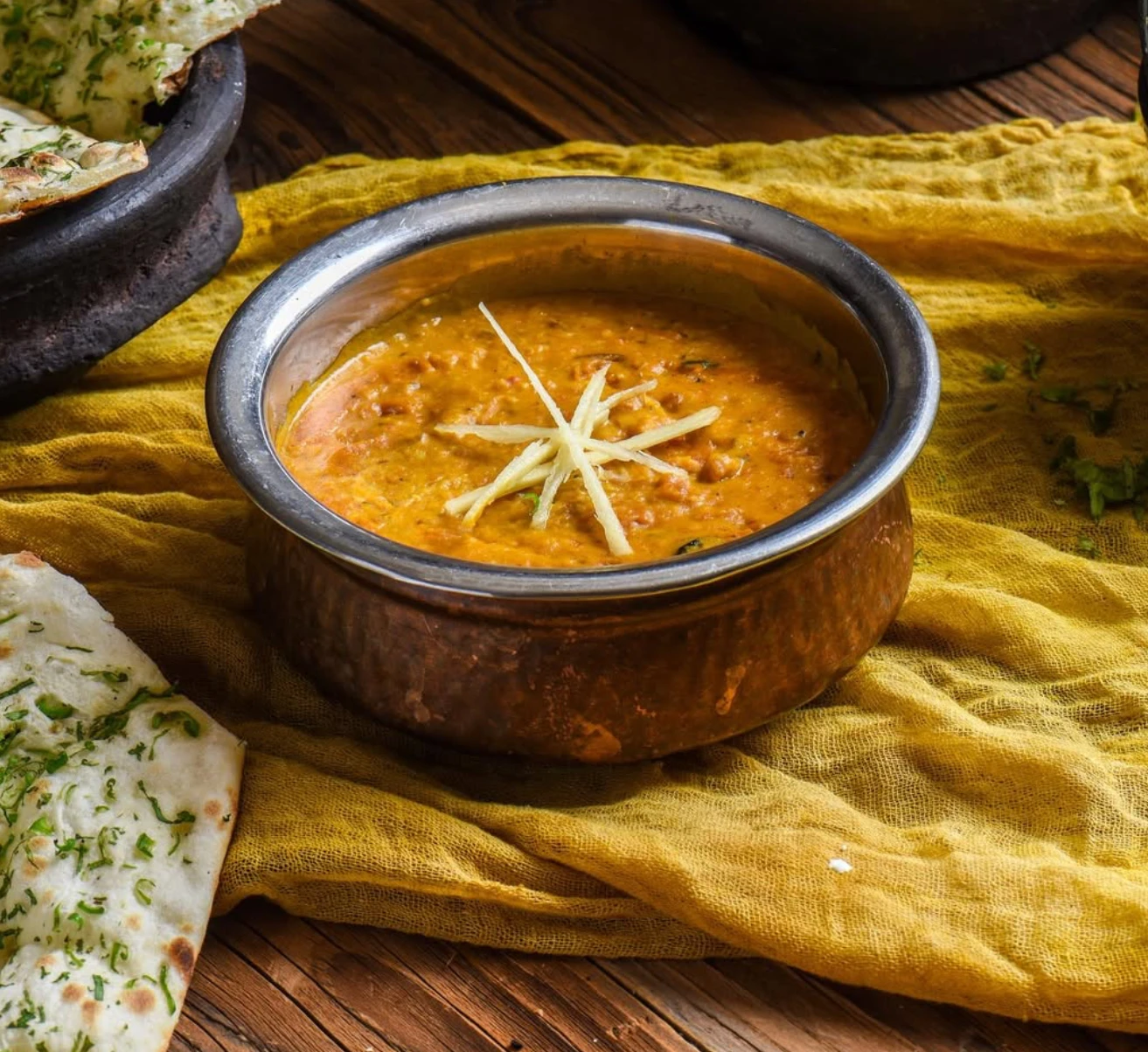
A healthy plate of food should contain a balance of nutrients: Nature is colorful and provides all we need for good health. A fun way to get your family to eat healthy is to encourage rainbow eating. A rainbow plate is a healthy plate, and it is a good way to help everyone to eat more fruit and vegetables. The more colors you add, the more nutrients.
Without adequate intake we put our bodies at risk for certain diseases, illnesses and possibly even vitamin and mineral deficiencies. It is important to train children young that rainbow eating is for healthy strong bodies. Most junk food is bland and beige. Junk food advertising is powerful so you also need a powerful message at home and eating a rainbow is something that will appeal to children of any age.
Here are some colors and their benefits:
Green
These foods contain cancer-protecting phytochemicals. They also contain antioxidants that can reduce the risk of macular degeneration, which is a leading cause of blindness. Examples of Green foods: Artichokes, asparagus, avocados, broccoli, green beans, kiwis and romaine lettuce.
Yellow
Sun-colored produce is full of Vitamin C which helps to heal wounds and also blocks some skin damage. Examples of yellow foods: Pears and pineapples.
Orange
Orange foods have Betacarotene which is helpful for boosting the immune system. Nutrients in citrus fruits also improve oral health.Examples: Peaches, carrots, oranges and grapefruit.
Red produce has lycopene, which fights cancer, and ellagic acid, which may help reduce DNA damage. Flavonoids which are mostly found in berries boost antioxidant defense, fight heart disease and slow aging. Examples: Bell peppers, strawberries, tomatoes and watermelon.
Blue and Purple
Grapes and purple cabbage protect cells and also slow the signs of aging. The nutrients that cause them to be dark in color also help cognitive function. Example: Eggplant and grapes.
White
Okay, white is not a color in the rainbow but still should be thought of when choosing produce. Onions, shallots and garlic all have nutrients that reduce heart disease and increase the immune system. Examples: Cauliflower, button mushrooms, white onions and garlic.
If your children already enjoy eating particular fruits and vegetables, this a good starting point. My advice would be to regularly serve the vegetables and fruits that your children enjoy, and then try to increase the variety little by little. It’s important to try out new varieties as often as you can — if you can grow fruit and vegetables in your garden, your children will be happy to pick them and eat them.
Sayings are a fun way to remind children of the benefits of fruit and vegetables:
"An apple a day keeps the doctor away!"
"Carrots help you see in the dark!"
If fresh fruit and vegetables are expensive, opt for those that are in season, as they tend to be cheaper.
Have a selection of frozen and canned (choose low salt/sugar versions) vegetable options, as these are more acceptable.
Keep a supply of frozen and canned fruit (in natural juices) for quick and easy desserts, or snacks.
Add tinned or fresh fruit to jelly.
Mealtimes: For lunch always try to have a salad, or pop salad in sandwiches. For dinner try adding some mixed vegetables (fresh or frozen).
Ultimately try and educate your children about healthy eating.
Ask Alva
I am 25 and my hair is starting to thin which is worrying me. I do not want to take drugs, can you suggest some natural options? I have heard it may be to do with the water but I wonder if my hair loss may be due to my sales job as it is very stressful.
— Patrick.
Hair loss is more common in younger people than ever before. If your father has not lost his hair the cause may not be male pattern baldness. First check your diet and make sure you are eating a healthy diet with lots of protein. Take a quality supplement for hair skin and nails. Massage your scalp with hair repair massage oil for 2 minutes before you wash your hair. Head massage has a very good effect on hair growth and encourages blood flow to the hair roots. Massage is important as when you are stressed the scalp becomes tight and restricts the blood flow to the hair roots and hair can then fall. Try to wash your hair less often as desalinated water can make the hair very dry and break off. Reduce your stress by taking regular exercise.
— Alva
Arab News