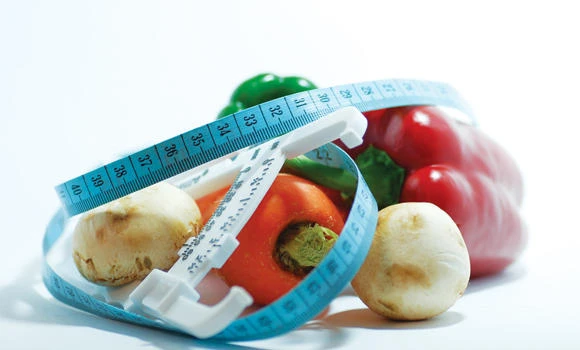
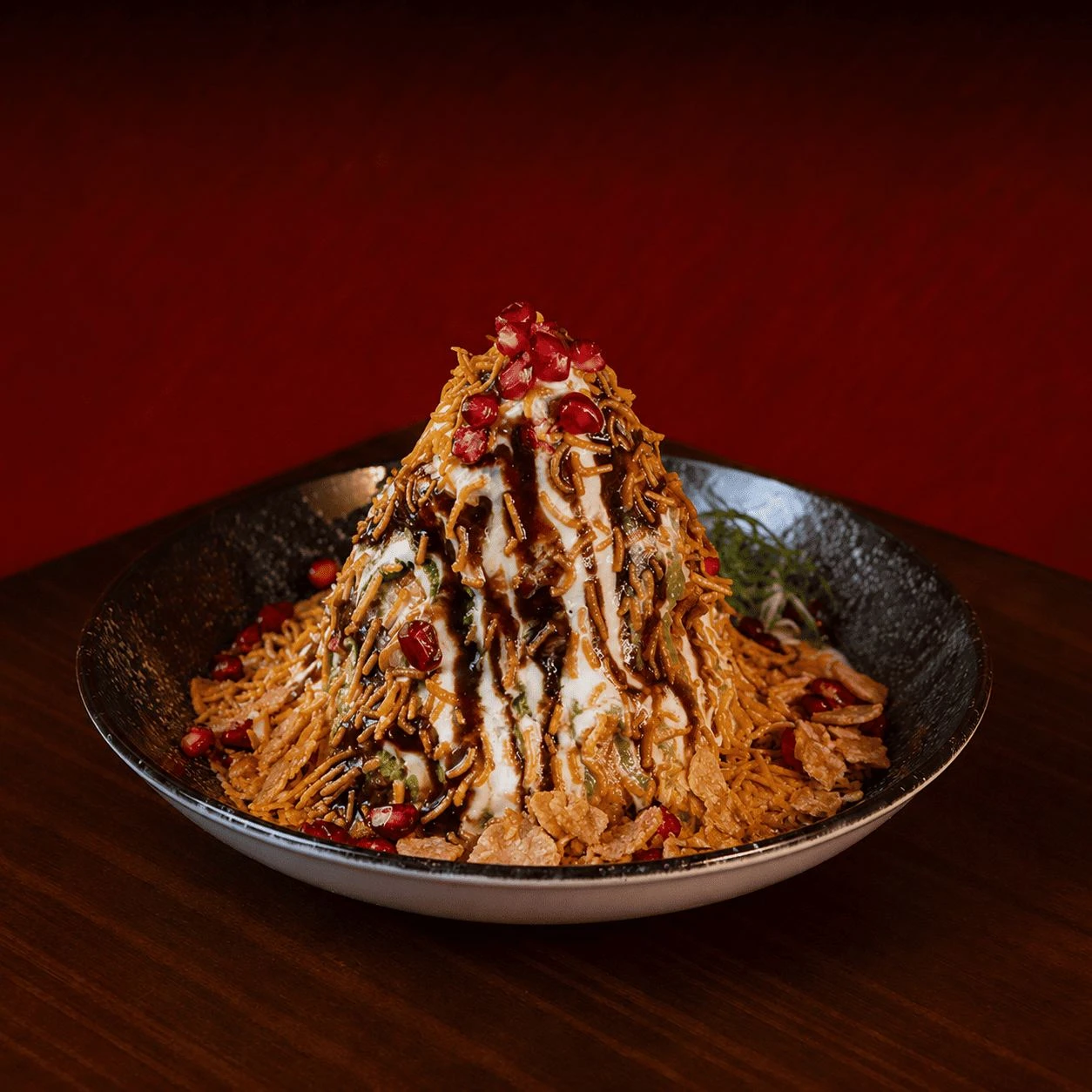
The holy month of Ramadan is also an opportunity to indulge in your favorite foods in the presence of your loved ones. You might even convince yourself you deserve it after a long day of fasting. On the other hand, fasting helps in detoxifying your body and it offers a great chance to start a new healthy lifestyle your body has been craving for.
We spoke to dermatologist Dr. Raneem Abdulmajeed who gives us some simple tips on how to shed those extra kilos in Ramadan.
Hydrate your body:
After long fasting hours, it might look like a mission impossible to catch up on the needed amount of water. Hydration is key to losing weight and you should take up to eight glasses of water.
It will be easier if you break it down:
• Two glasses at iftar
• Four glasses in between iftar and suhoor — not more than one glass per hour
• Two glasses at suhoor
If you have any caffeinated drinks, do not count it as water.
Drinking enough fluids will not only keep you from becoming dehydrated while you fast, but it will also control your sugar cravings after you break your fast. At night, you should drink herbal tea that will aid in digestion.
Light, healthy and balanced iftar:
When fasting, the body’s metabolism slows down. This meal is not supposed to make up for those hours spent fasting, so forget that you haven’t eaten all day and think that you have sat down for your dinner meal.
Follow Prophet Muhammad (Peace be upon him) and start your Iftar with dates as a quick source of sugar that your body needs to pick up on energy to last you the rest of the night. Remember that dates are high in sugar; three small dates are more than enough for your energy fix. You can then have a small bowl of vegetable or lentil soup to warm up your stomach. You should then take a prayer break to help the digestive system and not overwhelm it. Then complete your meal with vegetables and white meat and try to avoid carbs and sugar.
Don’t skip suhoor:
In the holy month of Ramadan, the eating hours are very limited. You might not feel hungry after iftar time, but that doesn’t mean you skip suhoor because it will make you hungry the next day and will result in overeating at iftar. Avoid salt and garlic at suhoor as they will make you thirsty the next day.
Your meal should contain carbs such as whole grain bread, instead of white refined bread and it should contain a healthy source of protein such as cheese, laban or eggs. Having this combination will help you obtain a stable level of glucose in your blood so you don’t feel hungry the next day.
Move it:
Not having anything to eat is not an excuse to sleep all day and lounge around the house. You should follow your usual daily routine by waking up early and going to the office and sweating it out at the gym. It is proven that your body burns more calories and fat when exercising on an empty stomach. It is recommended to do your sports 40 minutes before iftar time.
Skip processed sugar:
Studies show that the number one cause of weight gain in the holy month is processed food, especially sugar. The sugar you consume through Ramadan beverages and sweets is difficult to digest and will store as fat in your body.
Try to have your sugar intake from fruits, molasses, honey and dried fruits. This will be life changing and effective in ensuring a pleasant surprise the next time you stand on the weighing scale.
Don’t deprive yourself:
Trick your body instead: If you crave sugar, have a piece of fruit before indulging in desserts to limit your portions. Similarly, start your iftar with lots of veggies and fibers before indulging in that piece of lasagna, as it will limit your portions of empty-calorie foods. Simple tricks like these will allow you the occasional indulgence so that you don’t feel deprived and you will be able to limit your portions to make way for nutritious food.
—
Email: [email protected]
Staying healthy in the holy month