The last four articles about soda and energy drinks covered the known harmful side effects of the ingredients in cola and other soda drinks. These can also have adverse effects on the brain, organs, and bodily systems when two components or more are combined, especially with overconsumption.
There is almost nothing nourishing in these beverages. Moreover, most of the ingredients are not natural. The components are either refined or ‘isolates,’ which act differently than natural whole foods on the brain and body. These range from refined sugar, high fructose corn syrup (HFCS), caffeine, and carbonated water to artificial sweeteners and a variety of additives — such as caramel coloring made from ammonia — and even ‘flavor enhancing chemicals’ made from ‘human embryonic kidney tissue.’
The secret of these drinks is in their special blends that act on the brain and body, which make you crave for more. That is why once you drink one cola, you automatically go for seconds, thirds, and more.
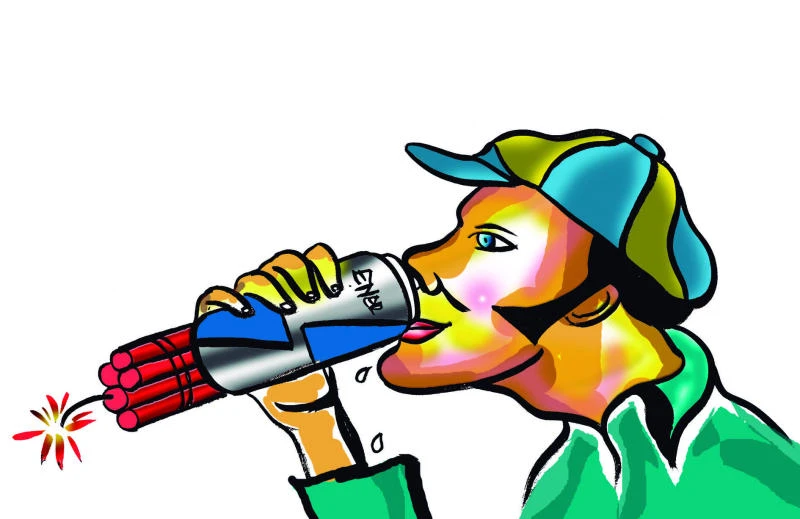
Energy drinks tend to give an impression of being a healthier option, compared to other soft drinks. Red Bull is a popular energy drink, which contains a combination of vitamins and glucuronolactone, the “hazardous” chemical developed in the US to boost the moral of American troops during the Vietnam War. It is a hallucinogenic chemical that was used to calm down stress and anxiety in homesick soldiers. The compound was discontinued due to the many cases of migraines, brain tumors and liver disorders seen in users. What is worrisome is that Red Bull containers do not carry a warning about the chemical’s side effects.
Here are some of its “adverse” effects:
• Red Bull should not be taken without physical activity. Its energizing effect increases heartbeat, resulting in fatal heart attacks or stroke, especially if you have a history of heart or circulatory problems. This happens due to its high caffeine and taurine contents
• When mixed with alcohol, the soda attacks and damages the liver viciously, although certain bars continue to mix the two to mask the effect of drunkenness
• Red Bull contains high doses of vitamin B12 that can cause hyperactivity or hypertension
• Excessive intake of the drink incurs damage to the nervous system
• More than one can makes you hyper, jittery, and sleep-deprived due to the high caffeine and sugar. It contains the equivalent of several cups of coffee, very dangerous to the heart.
For health purposes, countries like France, Norway, Uruguay and Denmark have recently banned Red Bull, calling it the “cocktail of death.”
Manufacturers deceive you with energy drinks, making you believe they are “healthy” and “nutritious” and prevent weight gain. Youngsters (below 19) and athletes are sadly overdosing on caffeine and sugar from energy drinks. According to David Zinczenko of Men’s Health magazine, a can of energy drink daily “could cause more than 29 pounds of weight gain in a year” and if you are already overweight, this spells disaster, in other words o-b-e-s-i-t-y. Excess body fat is very dangerous to health, leading to metabolic syndromes (diabetes, hypertension, cardiovascular disorders, and cancer).
A cup of coffee, instead, has the caffeine you need, plus natural antioxidants and not the sugar and chemicals. Again, coffee should not be abused.
Sports drinks should also be limited to one and only during activity. Too many electrolytes can offset your body nutrient balance. Athletes should consult their coaches, trainers, and infirmaries before abusing the drink. Still mineral water, fresh diluted fruit juices, or herbal infusions with a banana or a fruit can do wonders to the body. They are available at most health bars in sports clubs and gyms.
If you find your child developing hyperactivity, becoming unfocused, and not sleeping enough at night, this could be caused by artificial additives (such as colorants, flavors, sweeteners, preservatives) sugar, and HFCS in soft drinks, ice-creams, candies, lollipops, squashes, slushes, fizzy drinks, snacks, cereals and other manufactured foods and drinks, which provoke behavioral problems.
Eliminating artificial additives can improve behavioral problems significantly. The colorants and sugar in sweets like Smarties can also cause hyperactivity, impulsiveness, and allergies. Smarties have nothing to do with being smart, but they might make children unfocused.
Artificial dyes, the yellow and red, are included in most processed foods, beverages, medical drugs, and pharmaceutical vitamins. Should you or your child develop allergies or reactions to them, scan the labels to look for these chemicals. They are concealed under the letter E followed by a number, so that the industry would not be required to write artificial or synthetic. Cumulative amounts can cause acute allergies, especially if taken with aspirin; the chemicals mimic aspirin. Get smart and read the labels on processed foods and drinks.
New York’s Board of Health became a leader in passing the ban on supersized colas, sodas, and other sugar-sweetened soft beverages. The action is taken to curtail the overconsumption of sweetened drinks. Restaurants, fast food eateries, food stands and carts, cinema houses, sports arenas, and stadiums are not allowed to sell soft drinks in cups bigger than 16 ounces (around half a liter), which are already oversized and dangerous to health.
Drinks containing more than 50 percent of milk were exempt from the ban. But to the disappointment of Starbucks, Frappacino was not exempt as it contained less than 50 percent milk. The ban imposes a fine of $ 200 (SR 750) on violators.
The restriction angered the American Beverage Association (ABA) and its influential lobby, and they will try to find a way of bypassing the ban. Still, control on such beverages is an excellent move. It reduces overconsumption of addictive substances like sugar, HFCS, and caffeine, leading to abuse of such beverages. Sugar substitutes are calorie-free but still harmful, resulting in abuse as well. So this is a good start. Let us hope that other cities and our country follow the example.
Luckily, more and more conscientious and proactive scientists, nutritionists, and activists have begun exposing the deleterious effects of various soft drinks, fatty fast foods, processed meats, artificial sweeteners, additives (preservatives, flavors, colorants and taste enhancers such as monosodium glutamate), refined sugars and carbohydrates, and trans fats. Man-made foods are neither designed for human nor animal consumption. They differ in composition from nature’s fresh wholesome nutritious foods, like fruits and vegetables. Such courageous people should be commended for revealing the dangers of synthetic foods.
Unfortunately, consumers are unaware of the harms behind the modern diet. Children and adults alike trustingly consume and abuse soft drinks, believing that these processed and nutrient-stripped foods cannot be anything but healthy and good, especially when official health agencies put their stamp on the container or turn a blind eye.
Don’t allow the food and beverage industries decide the fate of your health. Be on top of things, a smart consumer, and in control of your health!
Email: [email protected]