- National biodiversity framework includes 22 national targets to guide environmental priorities, coordinate efforts across sectors
JEDDAH: Saudi Arabia has called for environmental commitments to be translated into investments, partnerships and decisions that deliver tangible results, highlighting its conservation efforts at the Biodiversity Leaders’ Summit in Armenia.
The National Center for Wildlife told Arab News: “The Kingdom’s biodiversity encompasses more than 12,000 wildlife species and 65 terrestrial and marine ecosystems. This rich natural landscape reflects our commitment to translating environmental targets into tangible results and restoring ecological balance to sustain our resources for future generations.”
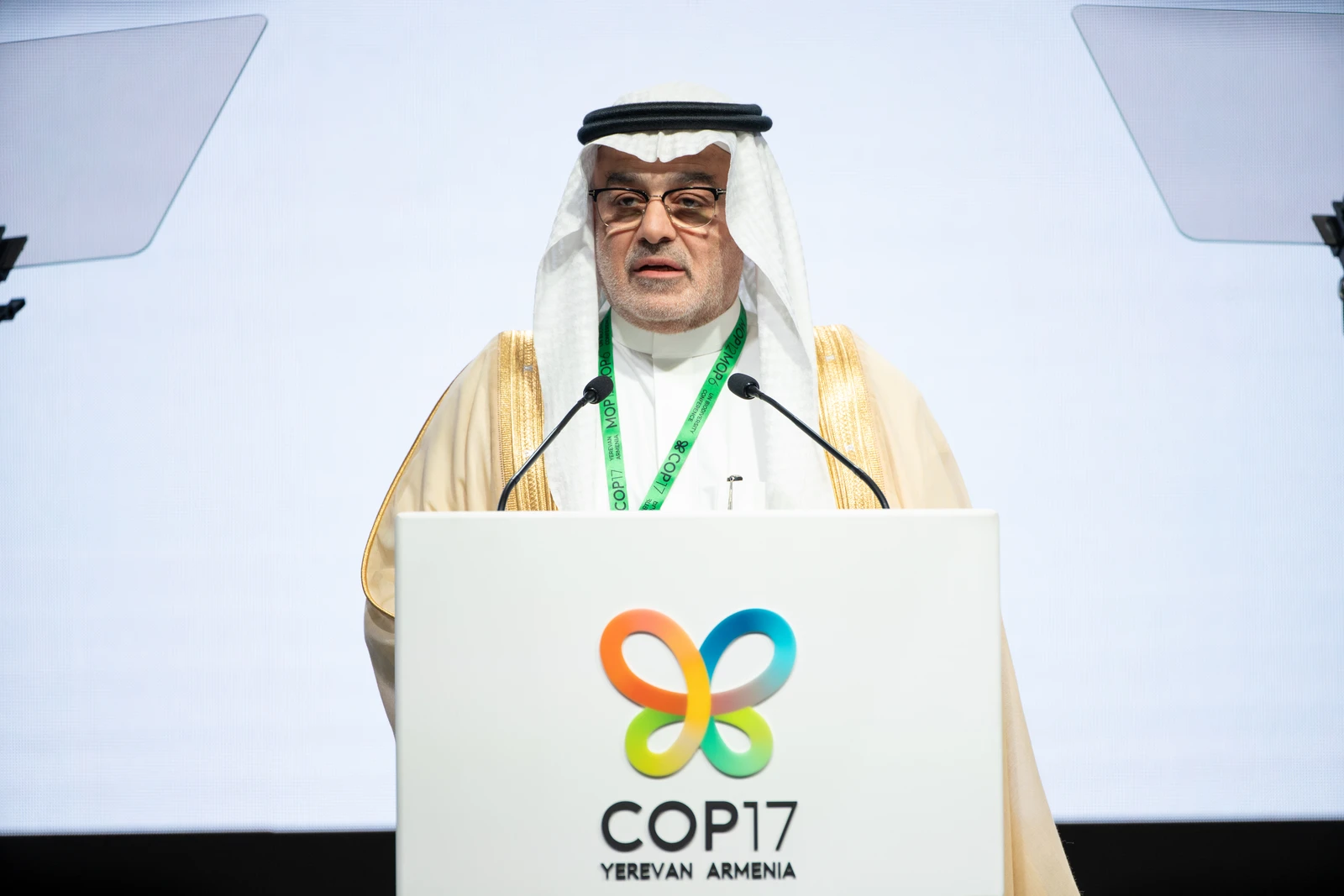
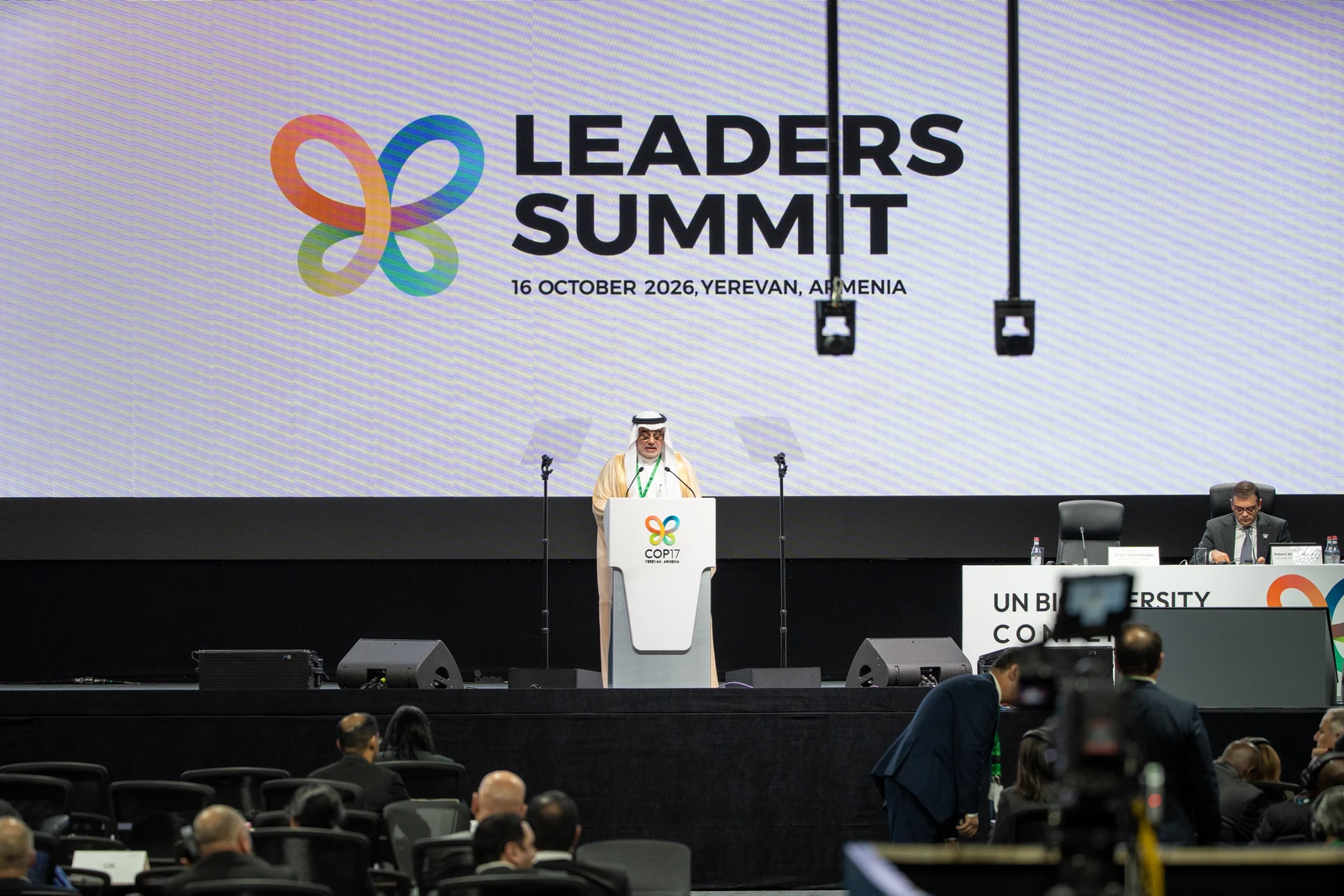
Addressing the summit in Yerevan on Oct. 16, Dr. Mohammed Qurban, CEO of the center, said protecting nature was an investment in countries’ stability, food and water security, and sustainable development.
Qurban is leading the Saudi delegation at the 17th Conference of the Parties to the Convention on Biological Diversity, or COP17, whose formal meetings run from Oct. 19 to 30.
He said the Kingdom, under the leadership of King Salman and Crown Prince Mohammed bin Salman, had made biodiversity conservation a priority through Saudi Vision 2030, integrating environmental sustainability into national planning.
Saudi Arabia has adopted a national biodiversity framework aligned with the Kunming-Montreal Global Biodiversity Framework, he said. It includes 22 national targets to guide environmental priorities and coordinate efforts across sectors.
Protected areas now cover 18.3 percent of the Kingdom’s land and 16.2 percent of its marine areas, Qurban said, as the country works toward protecting 30 percent of both by 2030.
The Kingdom has also rehabilitated more than 1 million hectares of degraded land and planted more than 159 million trees as part of efforts to restore 40 million hectares.
More than 10,000 wild animals have been released into their natural habitats, supporting endangered species conservation, restoring ecological balance and helping wildlife populations recover.
Qurban also highlighted efforts to improve waste management through the National Center for Waste Management and stronger regulation of the sector. These measures support recycling, resource recovery and the transition to a circular economy, while reducing pollution and its effects on ecosystems.
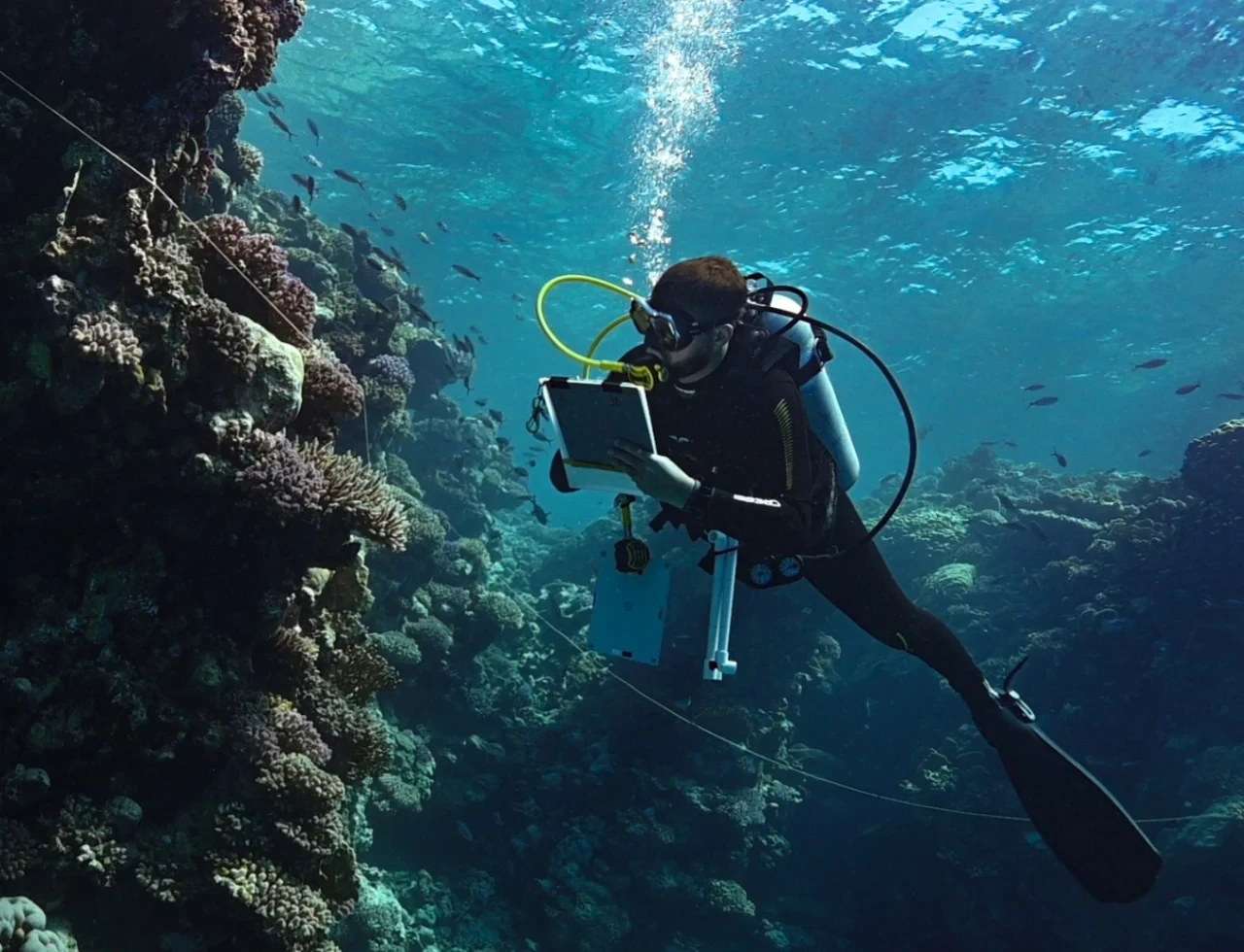
Marine conservation is another priority, particularly the protection of coral reefs and sea turtles in the Red Sea.
The establishment of the General Organization for Conservation of Coral Reefs and Turtles in the Red Sea supports the protection of these species and their habitats, alongside the restoration of reefs and turtle nesting sites.
Qurban also highlighted the Coral Research and Development Accelerator Platform, launched during Saudi Arabia’s G20 presidency in 2020 to advance research and develop solutions for coral reef conservation.
He said achieving global biodiversity targets required stronger international partnerships, greater exchange of knowledge and expertise, and investment in initiatives that deliver measurable conservation and restoration results.
The Kingdom hoped the summit’s “Yerevan Call to Action” would help translate shared ambitions into practical measures, he added, reaffirming Saudi Arabia’s commitment to working with international partners to protect biodiversity for future generations.
COP17 brings together governments, international organizations, scientific institutions and conservation bodies to assess progress on the Kunming-Montreal framework and strengthen cooperation toward its 2030 targets.
Adopted at COP15 in Montreal in December 2022, the framework includes four long-term goals and 23 action targets.
These include conserving 30 percent of terrestrial, inland water, marine and coastal areas by 2030, and bringing 30 percent of degraded ecosystems under effective restoration.
The framework also calls for mobilizing $200 billion annually for biodiversity, including $30 billion in international financing, and reducing environmentally harmful subsidies by at least $500 billion a year.
COP17 falls midway between the framework’s adoption and its 2030 deadline, and will conduct the first global review of collective progress toward its targets.
The State of Biodiversity Action report, which informs the review, found that none of the 23 targets was on track.
It found that 162 parties — about 83 percent of the convention’s 196 parties — had established national targets aligned with the framework, while about 60 percent had completed their national biodiversity strategies and action plans.
Fewer than half reported being on track to achieve their own national targets.
Globally, protected areas cover about 18.4 percent of land and inland waters, and 23.2 percent of marine and coastal areas within national jurisdictions. Protection covers about 10 percent of the ocean as a whole when waters beyond national jurisdiction are included.
Existing commitments could increase terrestrial coverage to about 27.5 percent by 2030 if fully implemented, still short of the global target.
Countries have reported 193 million hectares under restoration worldwide, but fewer than one-fifth of parties have set national restoration targets matching the framework’s 30 percent ambition.
Saudi Arabia’s terrestrial protected area coverage is close to the global average, while its marine coverage remains below the average for waters within national jurisdictions.
The Kingdom’s participation builds on conservation efforts under the Saudi Green Initiative and the Middle East Green Initiative, with the National Center for Wildlife overseeing the wildlife component.
The scale of the conservation challenge is reflected in the diversity of species found across the Kingdom.
According to the center, Saudi Arabia is home to 78 mammal species across eight orders. These include 31 bat species, 20 rodents, 14 carnivores, six insectivores, four ungulates, and one species each of primate, hyrax and hare.
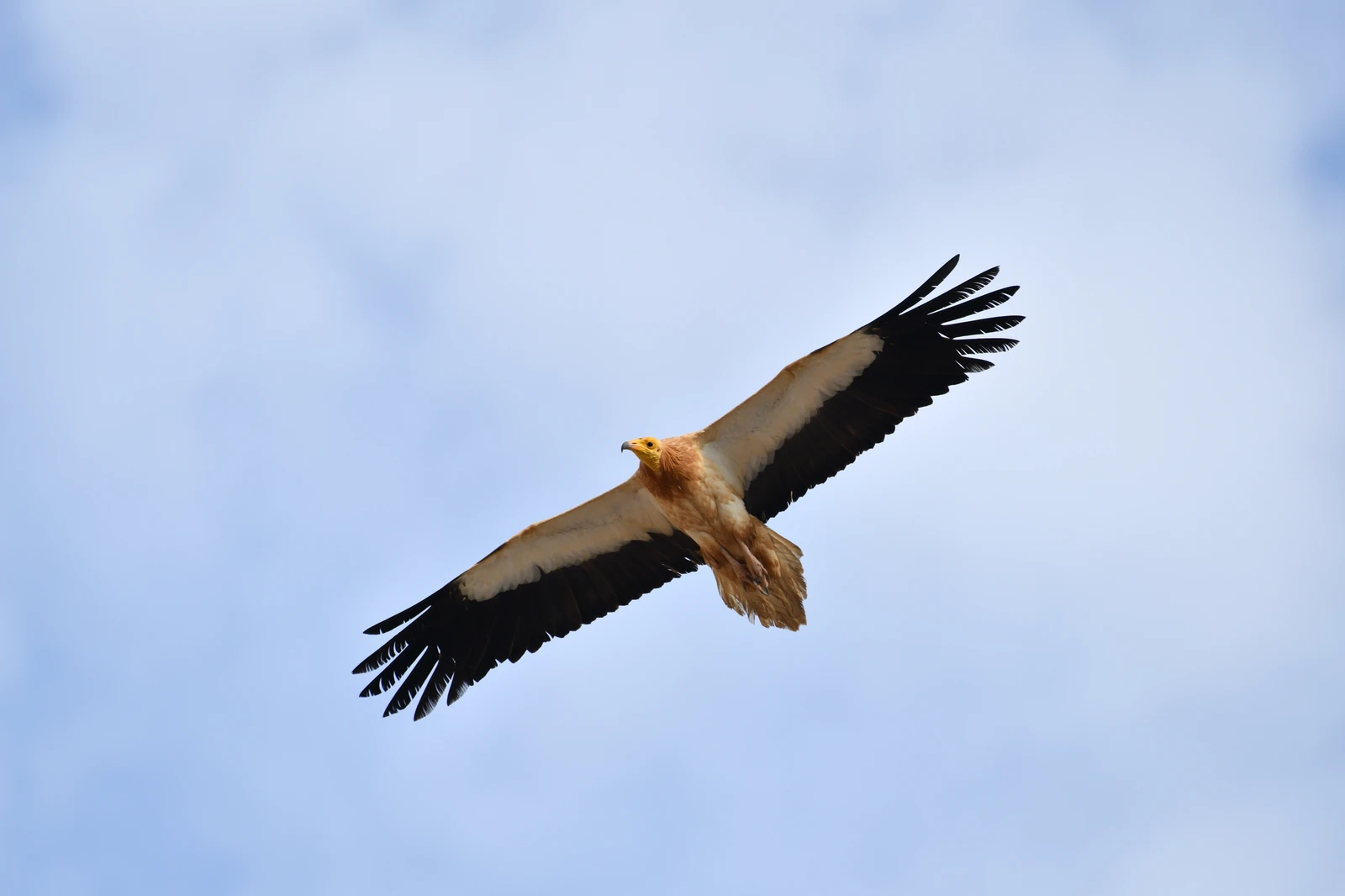
Its 550 recorded bird species include 219 breeding species, 280 migratory species and 51 passage migrants. Among them are 13 species near-endemic to the Arabian Peninsula, and the Asir magpie, the only bird species found exclusively in Saudi Arabia. The total also includes 27 globally threatened species.
The Kingdom also has 84 lizard species, 45 snake species — including nine sea snakes — two freshwater turtle species and five sea turtle species. Four of its seven amphibian species are endemic to the Arabian Peninsula.
Of its eight freshwater fish species, four are found only in Saudi Arabia, underscoring the importance of protecting the limited waterways on which they depend.
Its terrestrial invertebrates include more than 6,800 insect species across 23 orders, along with 96 spider species and 35 scorpion species.