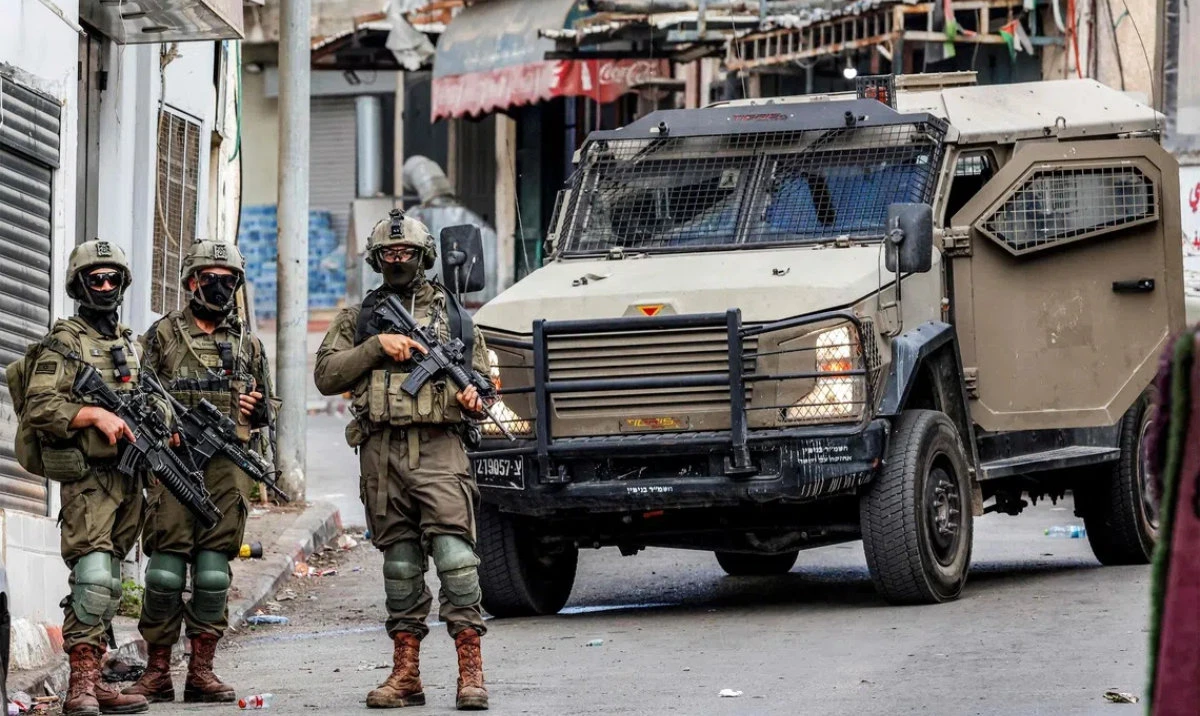
WASHINGTON: The collapse of a hard-won cease-fire in the Gaza Strip after only a few hours Friday lessens the already-limited US leverage to end Israel’s longest and most deadly war since President Barack Obama took office.
It also opens the Obama administration to new criticism from Congress and pro-Israel organizations that the pressure put on Israel to limit civilian casualties is misplaced.
Obama told reporters Friday that it will be hard to resurrect a cease-fire but that the United States will keep trying. More deferential to Israel than in past comments on the crisis, he was measured in his references to Palestinian civilian casualties.
“Part of the reason why we’ve been pushing so hard for a cease-fire is precisely because it’s hard to reconcile Israel’s legitimate need to defend itself with our concern with those civilians.”
The US role in past conflicts has been to hold the international criticism at bay as long as possible and then to lean on Israel to scale back its operations when some tipping point was reached.
This time, Netanyahu has chafed at what looked like American moralizing or, worse, scolding. Kerry’s truce efforts, even before Friday’s aborted cease-fire, have been lacerated in the Israeli press, with senior government officials doing little to mask their annoyance.
Kerry’s initiative came via direct orders from Obama, who suggested on July 21 that Israel had already done enough damage to Hamas and rued the death toll, which has more than doubled since then.
Noting his success this week in rallying Europe to impose harsher sanctions on Russia, Obama said, “We have made progress on delivering what we said we’d do.”
Still, he said, “the point is that if you look at the 20th century and the early part of this century, there are a lot of conflicts America doesn’t resolve. That’s always been true. It doesn’t mean we stop trying. It’s not a measure of American influence at any given moment.”
Referring to Kerry’s unsuccessful efforts to bring Israel and the Palestinian Authority on the West Bank to fruitful negotiations earlier this year, Obama said his administration had “invested an enormous amount.”
“In the end,” he said, “it’s up to the two parties to make a decision. . . . You show them a path, but they’ve got to want it.”
Arab News