WASHINGTON: The second-in-command of Daesh and a leader of its operations was killed in northern Iraq earlier this week, the White House said Friday.
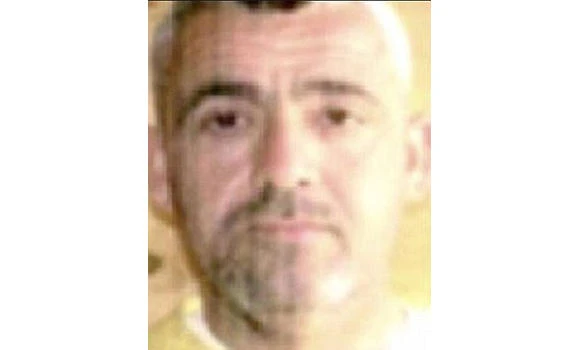
Fadhil Ahmad Al-Hayali, also known as Haji Mutazz, was traveling in a vehicle near Mosul on Aug. 18 when he was killed in a US airstrike. Hayali was a senior deputy to the Daesh leader, Abu Bakr Al-Baghdadi, according to Ned Price, a spokesman for the National Security Council.
Like much of the Daesh senior leadership, Hayali had been an officer in the Iraqi army under Saddam Hussein and was a former member of Iraq’s special forces. During the American occupation of Iraq, he fought with Al-Qaeda in Iraq.
Some reports said that in the 2000s Hayali was imprisoned in the US-run Bucca prison camp, the main detention center for members of the insurgency, where Baghdadi also was held. The prison became an incubator for Al-Qaeda in Iraq and the Islamic State.
Hayali’s mix of traditional military training and experience battling US and Iraqi forces as an insurgent made him an especially valuable leader. The White House statement said that Hayali was a “primary coordinator” for moving large amounts of weapons, explosives, vehicles, and people between Iraq and Syria.
Hayali’s prominent role in the organization first became clear last year after Iraqi forces raided the house of Abdulrahman Al-Bilawi, a top Daesh, just days before the fall of the northern city of Mosul last June. Iraqi forces retrieved a trove of documents during the operation.
Hayali was in charge of all military operations in Iraq, coordinating between senior commanders, according to Hisham Al-Hashemi, an Iraqi analyst who claims to have had access to the documents.
The death of Hayali will deal a “severe blow” to Daesh, taking out one of its most valued strategists, said Charles Lister, Visiting Fellow at the Brookings Doha Center.
But the group has proven resilient in the face of more than 6,000 airstrikes over the last year. “Ultimately, it is sufficiently well-led and structured that such a loss will not necessarily impact upon the organization’s capacity to continue its pace of operations,” Lister said.
Nigeria’s Boko Haram extremists are strengthening ties with Daesh as shown by reports that Nigerian militants are fighting in Libya, recent arrests in Lebanon and India and the blocking of thousands of suspected extremists from leaving Nigeria.
Daesh No. 2 killed in US strike