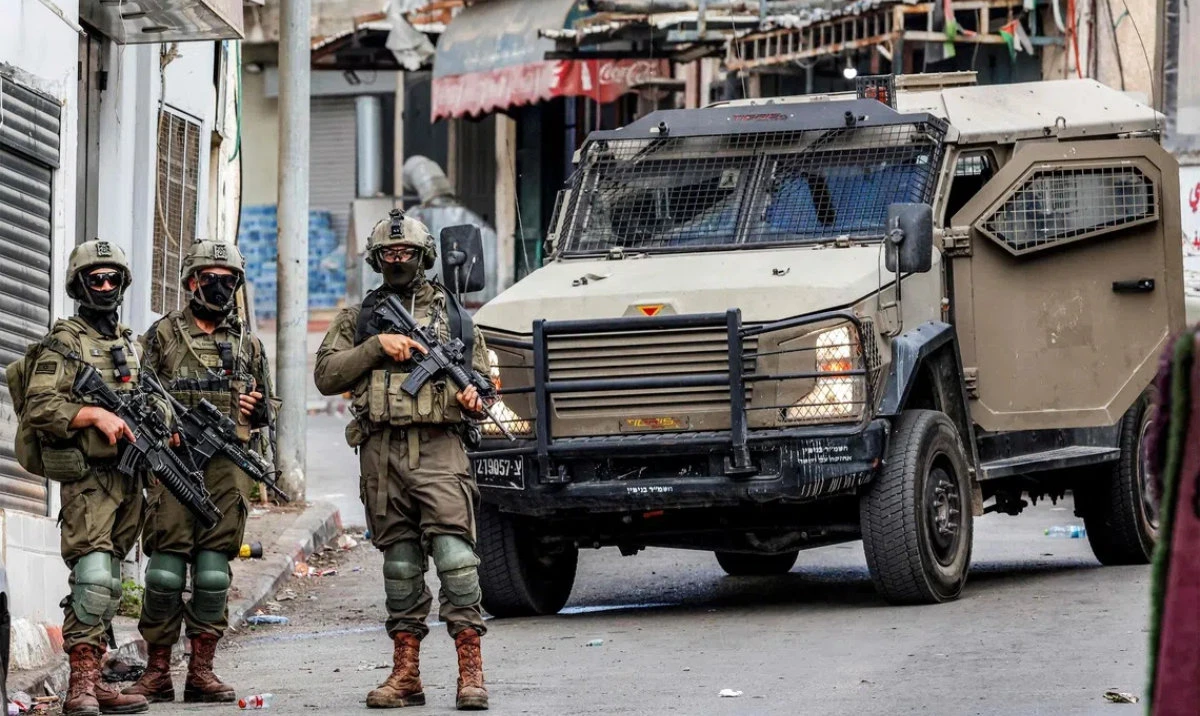
BAGHDAD: Police and tribesmen battled an assault on Monday that could bring militants a step closer to Baghdad, as Iraq’s flagging government formation process seemed set to drag on.
World powers and Iraq’s top Shiite cleric, Grand Ayatollah Ali Al-Sistani, have piled pressure on MPs to put aside their differences, with the country facing a major jihadist-led onslaught that has overrun territory in the north and west, but progress has so far been noticeably lacking.
Fighters from the Islamic State (IS) jihadist group on Monday attacked the final area still outside their control in the town of Dhuluiyah, just 80 kilometers (50 miles) north of Baghdad, after first attacking a day earlier.
The militants negotiated with tribesmen in the holdout Al-Jubur area, offering to spare the lives of their fighters and security forces if they surrendered, local official Marwan Mitaab said.
But the tribesmen rejected the offer, and the militants then launched a renewed assault on the area in southern Dhuluiyah.
One of the tribal fighters, Omar Al-Juburi, said that they have held out for 48 hours, but need “reinforcements and air cover to restore control over the town.”
Violence also struck other areas, with two car bombs in Baghdad and shootings in the northern province of Kirkuk killing at least nine people, two of them police, officials said.
As Iraqis fought and died, an MP said a parliament session scheduled for Tuesday seemed likely to be postponed, which would further delay any progress toward government formation.
“The atmosphere points to postponement,” said Hussein Al-Maliki, an MP from premier Nuri Al-Maliki’s bloc, adding that “the blocs are still not in agreement.”
Parliament has twice met to elect a speaker, a post that must be filled before the government formation process can move forward, but failed both times to do so.
Acting speaker Mahdi Hafez announced at the most recent session on Sunday that “no type of agreement was reached... between the various blocs,” after which the session was adjourned until Tuesday.
A July 1 meeting broke down when MPs traded barbs and enough failed to return after a break that the legislature was left short of a quorum.
The UN’s Iraq envoy, Nickolay Mladenov, has warned that “failing to move forward on electing a new speaker, a new president and a new government risks plunging the country into chaos.”
“It will only serve the interests of those who seek to divide the people of Iraq and destroy their chances for peace and prosperity.”
Former prime minister Ibrahim Al-Jaafari, speaking Sunday about Tuesday’s planned session, said: “If we can’t agree within those 48 hours, we still won’t agree in 48 days.”
But calls for progress have gone unheeded, and prospects appear dim for any speedy resolution of seemingly intractable differences over key appointments and other issues.
Ties between the Baghdad government and Iraq’s autonomous Kurdish region have hit a new low, and Al-Maliki has pledged to seek a third term despite some lawmakers insisting he step aside.
The Kurdish region’s government has laid claim to disputed northern oilfields, having earlier taken control of other contested areas abandoned by Iraqi forces last month as they fled a sweeping offensive led IS fighters.
Kurdish regional president Massud Barzani has also called for a vote on outright independence, further souring ties with the federal government.
Arab News