GENEVA: Iran struck a historic deal Sunday with the United States and five other world powers, agreeing to a temporary freeze of its nuclear program in the most significant agreement between Washington and Tehran in more than three decades of estrangement.
Iranian President Hassan Rowhani endorsed the agreement, which commits Iran to curb its nuclear activities for six months in exchange for limited and gradual sanctions relief, including access to $4.2 billion from oil sales. The six-month period will give diplomats time to negotiate a more sweeping agreement.
It builds on the momentum of the public dialogue opened during September’s annual UN gathering, which included a 15-minute phone conversation between President Barack Obama and moderate-leaning Rowhani, who was elected in June.
The package includes freezing Iran’s ability to enrich uranium at a maximum 5 percent level, which is well below the threshold for weapons-grade material and is aimed at easing Western concerns that Tehran could one day seek nuclear arms.
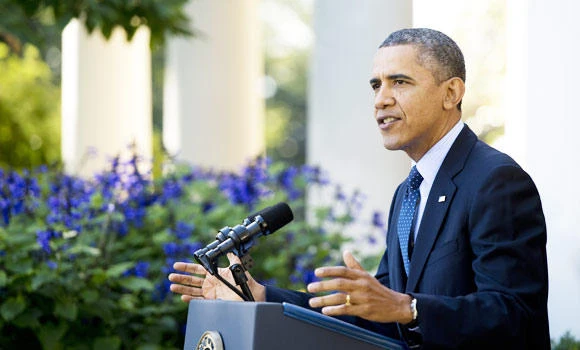
Obama hailed the pact’s provisions, which include curbs on Iran’s enrichment and other projects that could be used to make nuclear arms, as key to preventing Iran from becoming a nuclear threat.
“Simply put, they cut off Iran’s most likely paths to a bomb,” he told reporters in Washington.
For Iran, keeping the enrichment program active was a critical goal. Iran’s leaders view the country’s ability to make nuclear fuel as a source of national pride and an essential part of its insistence at nuclear self-sufficiency.
Giving up too much on the enrichment program would have likely brought a storm of protest by Iranian hard-liners, who were already uneasy over the marathon nuclear talks and Rowhani’s outreach to Washington. In a nationally broadcast speech, Rowhani said the accord recognizes Iran’s “nuclear rights” even if that precise language was kept from the final document because of Western resistance.
“No matter what interpretations are given, Iran’s right to enrichment has been recognized,” said Rowhani, who later posed with family members of nuclear scientists killed in slayings in recent years that Iran has blamed on Israel and allies.
Saying “trust is a two-way street,” Rowhani insisted that talks on a comprehensive agreement should start immediately.
Iranian Foreign Minister Mohammad Javad Zarif, who led his country’s delegation, called on both sides to see the agreement as an “opportunity to end an unnecessary crisis and open new horizons.”
But initial reaction in Israel was strongly negative. Israel’s prime minister, Benjamin Netanyahu, called the deal, a “historic mistake.”
Speaking to his Cabinet, Netanyahu said Sunday that Israel is not bound by the deal and reserves the right to defend itself. That is a reference to possible military action against Iran.
US Secretary of State John Kerry, who joined the final negotiations along with the foreign ministers of Russia, China, France, Britain and Germany, said the pact will make US allies in the Middle East, including Israel, safer reducing the threat of war.
“Agreement in Geneva,” he tweeted. “First step makes world safer. More work now.”
The deal marks a milestone between the two countries, which broke diplomatic ties 34 years ago when Iran’s Islamic revolution climaxed in the storming of the US Embassy in Tehran. Since then, relations between the two countries had been frigid to hostile.
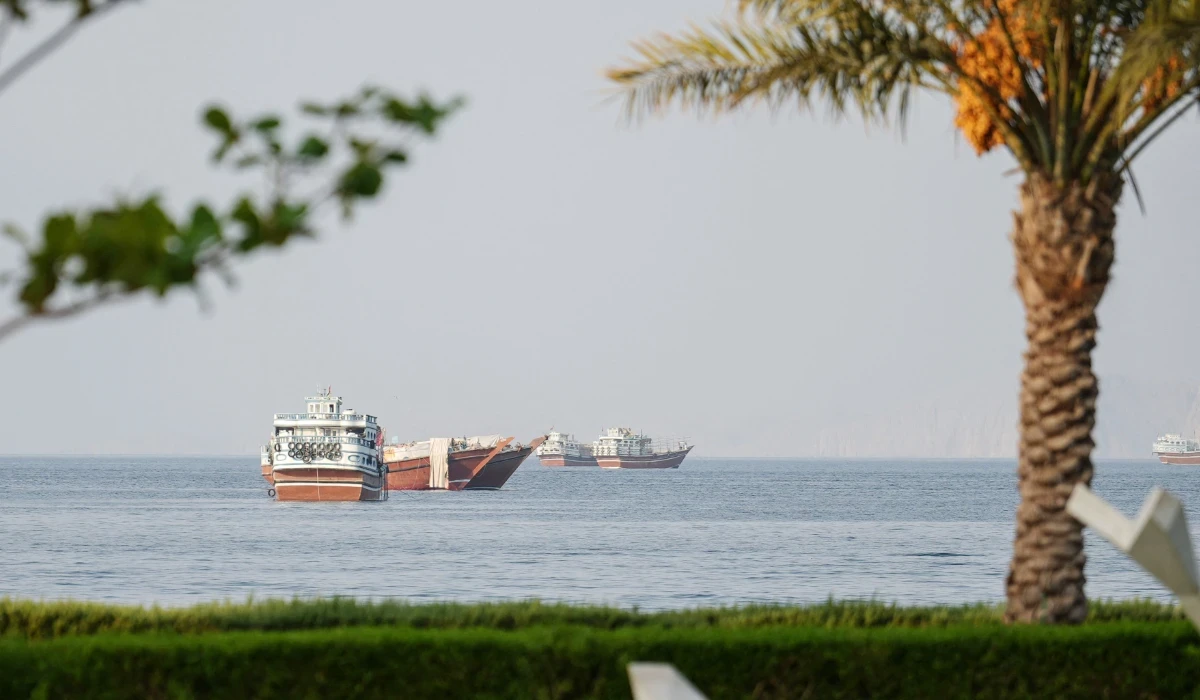
The Geneva negotiations followed secret face-to-face talks between the US and Iran over the past year, The Associated Press has learned. The discussions, held in Oman and elsewhere, were kept hidden even from America’s closest allies, including its negotiating partners and Israel, until two months ago.
Those conditions are being highlighted by the US administration in its efforts to demonstrate that Iran is still in pain. The administration has urged Congress to hold off on any new sanctions and give the accord a chance to prove its worth. But one influential member of Congress was quick to criticize the deal.
Rep. Ed Royce, the Republican chairman of the House Foreign Affairs Committee, expressed “serious concerns,” saying the United States was “relieving Iran of the sanctions pressure built up over years,” while allowing Tehran to “keep the key elements of its nuclear weapons-making capacity.”
Iran’s currency, the rial, got a small boost after news of the deal, strengthening to about 29,000 rials against the US dollar, compared with about 29,950 in recent days.
Nuclear deal blocks Iran’s path to bomb, says Obama