Bahrain eases coronavirus restrictions, shops, industries to open

Bahrain eases coronavirus restrictions, shops, industries to open
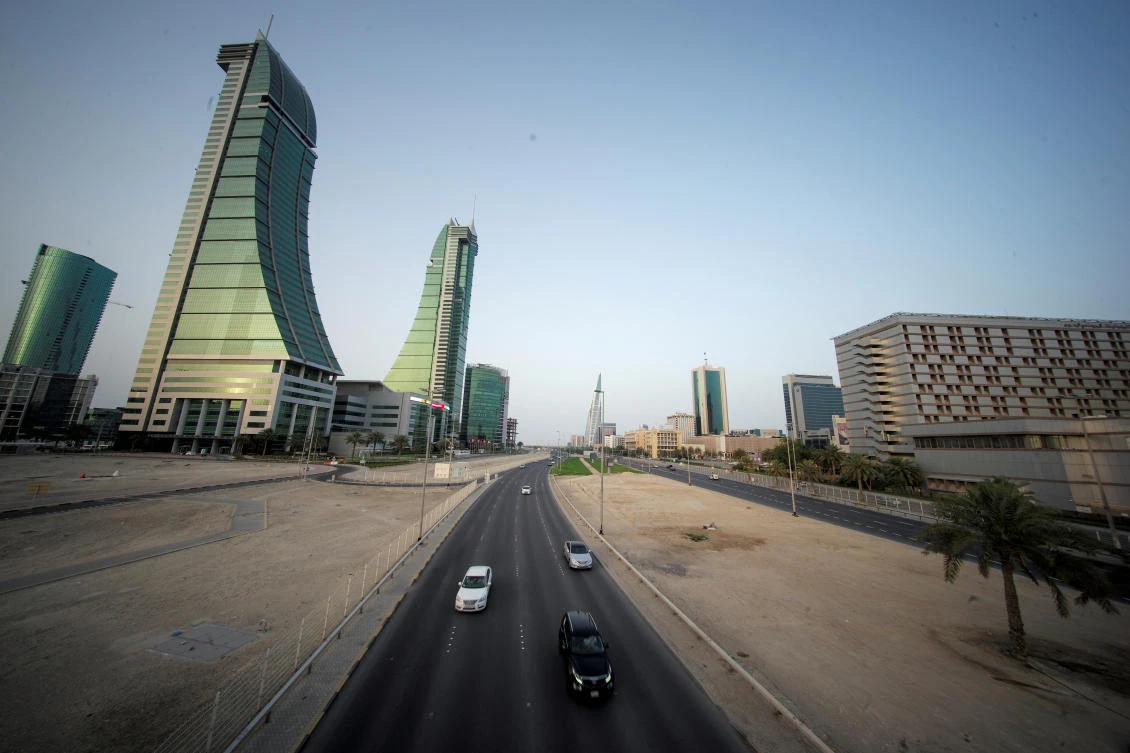
General view of Bahrain Financial Harbour is seen during early evening hours in Manama, Bahrain, May 2, 2020. (Reuters)
Short Url
Updated 06 May 2020

Bahrain eases coronavirus restrictions, shops, industries to open

Bahrain eases coronavirus restrictions, shops, industries to open
  • Bahrain shuttered non-essential shops and businesses in late March and barred entry of foreign visitors

DUBAI: Shops and industrial enterprises in Bahrain can open from Thursday while restaurants will stay closed to in-house diners, the Health Ministry said, as the Gulf state eases restrictions designed to stop the spread of the new coronavirus.
Bahrain shuttered non-essential shops and businesses in late March and barred entry of foreign visitors, but did not impose a curfew, unlike some other Gulf states.
Health Ministry officials told a news conference on Wednesday that employees and customers must wear face masks and practice physical distancing. Cinemas, sports facilities and salons remain closed.
Bahrain has reported 3,720 infections with eight deaths from the virus. The total count in the six Gulf Arab states exceeds 76,000 with 421 deaths.
Other Gulf countries eased curfews and other social and business restrictions with the start of the Muslim holy fasting month of Ramadan two weeks ago.
Bahrain this week opened a 152-bed COVID-19 field hospital intensive care unit on an empty piece of land in Sitra, as part of a plan to create 500 additional ICU beds for critical cases.
Turkey, Iraq draw closer over terror threat

Updated 18 December 2020

Turkey, Iraq draw closer over terror threat

Turkey, Iraq draw closer over terror threat
  • Experts drew attention to the shared security concerns between the two

ANKARA: Turkish President Recep Tayyip Erdogan hosted Iraqi Prime Minister Mustafa Al-Kadhimi on Thursday at the presidential palace.  
The sudden visit of top Iraqi officials to Turkey led to speculation about the challenges ahead in the region that brought the two countries together.  
Experts however drew attention to the shared security concerns between the two over the influence of autonomy-seeking Kurdish Kurdistan Workers’ Party (PKK) militants as the main driver of this top-level meeting.
According to Samuel Ramani, a Middle East analyst at the University of Oxford, a key subject during the meeting will be Turkey’s cross-border raids on the PKK in Iraq, which Baghdad views as a violation of its sovereignty but Turkey claims they are essential for its national security.  
“Turkish state-aligned media has emphasized that Turkey will frame itself as trying to help Iraq fight the PKK,” he told Arab News.  
Turkey prioritizes wiping out the PKK from Sinjar province of Iraq as a critical move for securing “the future of Iraq” because the terror group is more and more using Sinjar as a new headquarters to be an alternative to the Qandil mountains in northern Iraq.  
The Turkish military has been occasionally striking the hideouts of the PKK inside Iraq in parallel with its fight against PKK-affiliated Syrian Kurdish YPG forces to restrict Kurdish plans to control more territories in the region and prevent its own Kurdish population from being inspired by self-governance ambitions.  
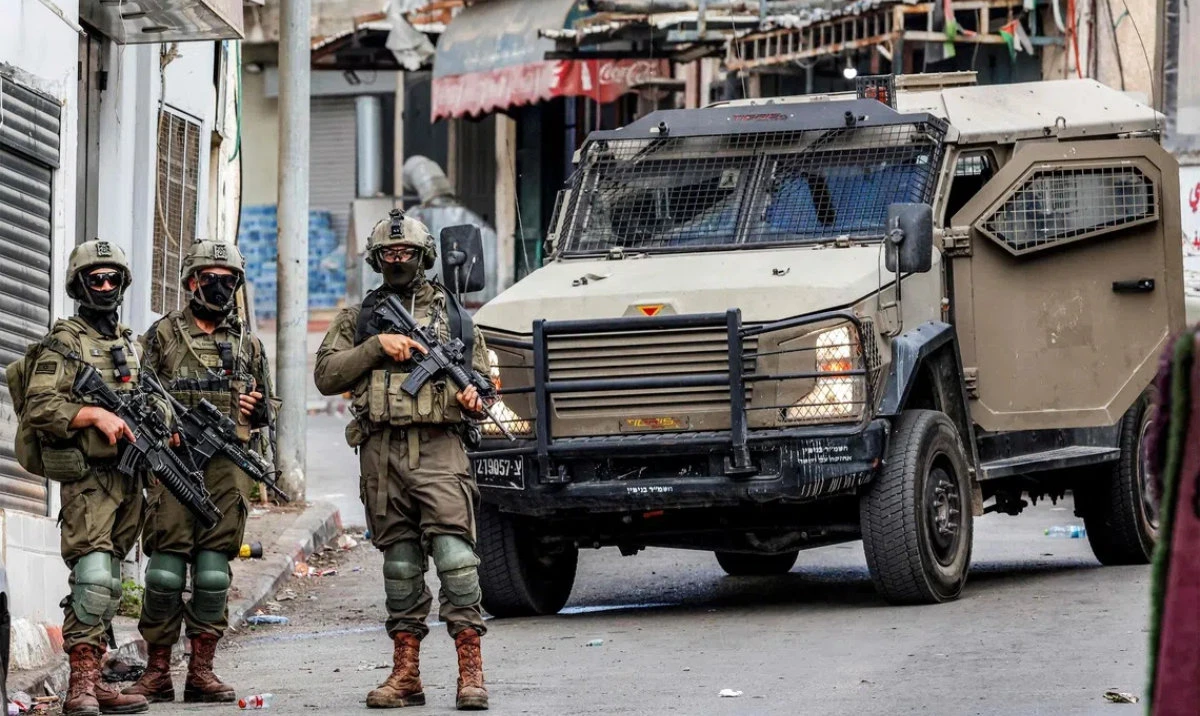
On Tuesday, Iraqi Kurdish peshmergas and PKK/YPG militants clashed when the latter tried to illegally enter Iraqi Kurdistan from Syria and attacked the local Peshmerga base with heavy weapons.
“The YPG cannot be allowed to exploit foreign assistance to launch attacks on our territory. Any repeat would be seriously damaging to the regional security,” Masrour Barzani, prime minister of the Kurdistan Regional Government, said in a statement.  
Ramani thinks that the ongoing Syrian civil war will also top the bilateral agenda during the Iraqi premier’s visit to Ankara, as Iraq has aspirations for a bigger diplomatic role in the region.  
Turkey however long criticized Iraq for giving shelter to the PKK especially during unilateral Turkish incursions into Iraqi Kurdistan have drawn anger from Baghdad and Iraqi Kurdistan’s regional government.  
“As Turkey, we will give any support we can to fully clear the country from this terrorist organization,” Turkish Foreign Minister Mevlut Cavusoglu told a joint press conference with his Iraqi counterpart, Fuad Hussein.  
The resumption of visa-free travel for Iraqis to Turkey has been also a key part of the negotiations.
“Iraq wants visa-free travel, while Turkey has been wary about the security situation since Daesh rose,” Ramani said.  
The rise of Daesh led Turkish authorities to halt a visa-free regime with Iraq. Last month, 22 Daesh terror suspects, all Iraqi nationals, were arrested in Turkey.  
“An agreement on visa-free travel would be a symbolic step toward a stronger Iraq-Turkey partnership, notwithstanding recent frustrations in Baghdad about the Turkish military conduct,” Ramani said.  
Turkish and Iraqi foreign ministers have decided to form a committee to prepare a roadmap for the resumption of visa-free travel.  
Against the high expectations of the Iraqi side, no mention was made about the signature of the much-awaited protocol regulating fair water-sharing between the two countries from the Tigris River as Iraq still suffers greatly from the scarcity of Tigris water – a three-decade-long bilateral disagreement.   
Both sides are still negotiating the sharing of the Tigris river’s waters. Turkey also dispatched a special envoy to Baghdad last year for tackling water-sharing tensions with Iraq. The allocation of a monthly water quote to Iraq from the Tigris River is on the table.  
On the other hand, the trade relationship between the two countries is almost unidirectional as Turkey still keeps the lion’s share in $15 billion worth of bilateral trade.