Saudi MSME lending hits $94bn driven by government-backed reforms 

Saudi MSME lending hits $94bn driven by government-backed reforms 
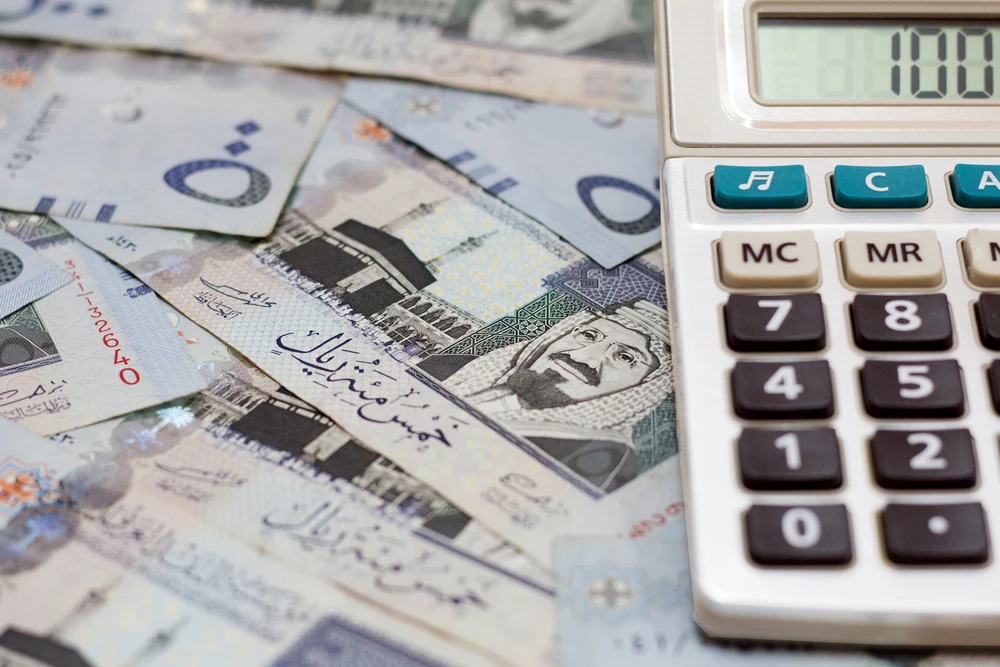
Medium-sized enterprises received the largest share of credit facilities in 2024, totaling 53.23 percent. Shutterstock
Short Url
Updated 01 April 2025
Follow

Saudi MSME lending hits $94bn driven by government-backed reforms 

Saudi MSME lending hits $94bn driven by government-backed reforms 

RIYADH: Credit facilities extended to micro, small, and medium enterprises in Saudi Arabia grew by 27.62 percent year on year in 2024, totaling SR351.7 billion ($93.8 billion), according to official data. 

The Kingdom’s central bank, also known as SAMA, revealed that 94.82 percent of these loans were provided by Saudi banks, while finance companies contributed 5.18 percent. 

MSME lending made up 9.4 percent of banks’ and 18.9 percent of finance companies’ loan portfolios in 2024, reflecting growing alignment with the government’s Vision 2030 target of allocating 20 percent of credit to this vital sector. 

In 2024, medium-sized enterprises received the largest share of credit facilities, totaling 53.23 percent, or SR187.21 billion. 

Micro enterprises — those generating up to SR3 million in revenue with a workforce of no more than five employees — saw substantial growth, with credit increasing by 70 percent to SR42.32 billion, despite holding a smaller overall share. 

Credit to small enterprises, which made up 34.74 percent of MSME financing, rose by 32.4 percent to SR122.17 billion during the same period. 

The sharp increase in bank lending to Saudi Arabia’s SMEs aligns closely with the Kingdom’s Vision 2030 objective of raising the sector’s contribution to gross domestic product to 35 percent. 

To help achieve this target, Saudi banks are increasingly extending credit to small businesses, supported by government-backed incentives such as the Kafalah loan guarantee program, which operates under the supervision of Monsha’at. 

Through Kafalah, the government guarantees up to 80 percent of loans extended to eligible SMEs, significantly reducing the risk for commercial banks and encouraging broader lending. 

The SME Bank plays a complementary role by targeting underserved and high-risk segments through alternative financing solutions, such as debt-based crowdfunding. 

In its latest move, the institution allocated SR240 million in partnership with fintech platforms Manafa, Lendo, and Tameed, enabling short-term, flexible financing of up to SR1 million for qualifying MSMEs. 

Together, these efforts are expanding access to capital across the SME landscape, supporting entrepreneurship, job creation, and economic diversification. 

According to the latest report by Monsha’at, in the fourth quarter of 2024, the Kingdom saw a 67 percent quarter-on-quarter surge in new commercial registrations, totaling more than 160,000 new businesses, bringing the total to over 1.6 million registered enterprises nationwide. 

The rise was particularly strong in e-commerce, with a 10 percent increase in new digital business registrations, pushing the total number of e-commerce firms to 40,953 by the end of the year. 

Riyadh province led the growth, accounting for 39 percent of all new registrations, followed by Makkah with 17 percent, the Eastern Province with 16 percent, and smaller but growing contributions from regions like Qassim and Asir. 

This surge in new business formation reflects increasing entrepreneurial activity across the Kingdom — a trend aligned with goals to diversify the economy and build a thriving private sector. 

The synchronized rise in both entrepreneurial activity and credit availability reflects a maturing SME ecosystem and a coordinated national strategy to fuel private sector-led growth. 


Saudi Arabia’s non-oil sector posts strong growth as PMI hits 60.2 

Saudi Arabia’s non-oil sector posts strong growth as PMI hits 60.2 
Updated 04 November 2025
Follow

Saudi Arabia’s non-oil sector posts strong growth as PMI hits 60.2 

Saudi Arabia’s non-oil sector posts strong growth as PMI hits 60.2 

RIYADH: Saudi Arabia’s non-oil economy accelerated in October, with the Purchasing Managers’ Index climbing to 60.2, its second-highest level in more than a decade, signaling strong business growth momentum. 

The latest survey by Riyad Bank and S&P Global showed a sharp improvement in operating conditions across the Kingdom’s private sector, underpinned by solid demand, rising employment, and robust output growth.  

The October reading, up from 57.8 in September, highlights the sustained momentum of the non-oil economy as Vision 2030 reforms continue to drive diversification away from crude revenues. 

Speaking at the Future Investment Initiative in October, Saudi Arabia’s Minister of Economy and Planning Faisal Alibrahim said the Kingdom’s gross domestic product is expected to expand by 5.1 percent in 2025, supported by continued growth in non-oil activities. 

Commenting on the latest report, Naif Al-Ghaith, chief economist at Riyad Bank, said: “Saudi Arabia’s non-oil private sector recorded a solid improvement in business conditions in October, with the PMI rising to 60.2, marking one of the strongest readings in over a decade.”  

He added: “The acceleration was driven by broad-based gains in output, new orders, and employment, reflecting sustained demand momentum and continued strength in the non-oil economy.”  

Al-Ghaith noted that the latest survey results also indicate a strong start to the final quarter of the year, supported by both domestic and external demand. 

According to the report, the pace of growth in new orders received by non-oil companies accelerated for the third consecutive month in October, with 48 percent of surveyed firms reporting higher sales. 

Participating companies attributed the sales growth to improving economic conditions, a growing client base, and increased foreign investment. 

Output and employment also expanded sharply during the month, with job creation rising at the fastest pace in nearly 16 years.

Al-Ghaith said the persistent rise in new export orders highlights the growing competitiveness of Saudi firms and the progress achieved under ongoing diversification initiatives. 

“The rise in demand encouraged firms to expand production and workforce capacity at the fastest rate since 2009, as businesses expanded capacity to meet new workloads. Purchasing activity and inventories also increased, while suppliers’ delivery times continued to improve, reflecting efficient coordination and resilient supply chains,” he added.  

October data indicated a sharp rise in input costs for non-oil firms, driven mainly by wage increases from salary revisions and bonuses. 

On the outlook, companies remained optimistic, citing strong market demand, ongoing project work, and government investment initiatives. 

“Optimism is underpinned by solid domestic demand and the momentum of ongoing projects. Although some concerns persist around costs and competition, sentiment overall remains strongly positive, reflecting confidence in the economy’s continued expansion and the strength of the non-oil private sector,” concluded Al-Ghaith.