- French colonial authorities have said only 35 African troops demanding pay in Senegal were killed in a 1944 massacre
- But a new probe found that up to 400 soldiers were killed during the massacre at the Thiaroye camp near Dakar
- Probe calls on France to “request for forgiveness to the families, communities and populations from which the riflemen came”
DAKAR: A 1944 massacre by French forces of African troops demanding pay in Senegal was “premeditated” and “covered up,” with previous death tolls vastly underestimated, according to an official report seen exclusively by AFP.
French colonial authorities at the time said at least 35 World War II infantrymen were killed during the massacre at the Thiaroye camp, near Dakar.
That toll is likely significantly too low, according to the committee of researchers who authored a paper submitted to the Senegalese president on Thursday. They said the “most credible estimates put the figure at 300 to 400” deaths.
The 301-page report, submitted to President Bassirou Diomaye Faye, called on France to “officially express its request for forgiveness to the families, communities and populations from which the riflemen came.”
Around 1,300 soldiers from several countries in west Africa were sent to the Thiaroye camp in November 1944, after being captured by Germany while fighting for France.
Discontent soon mounted over back pay and unmet demands that they be treated on a par with white soldiers.
On December 1, French forces opened fire on them.
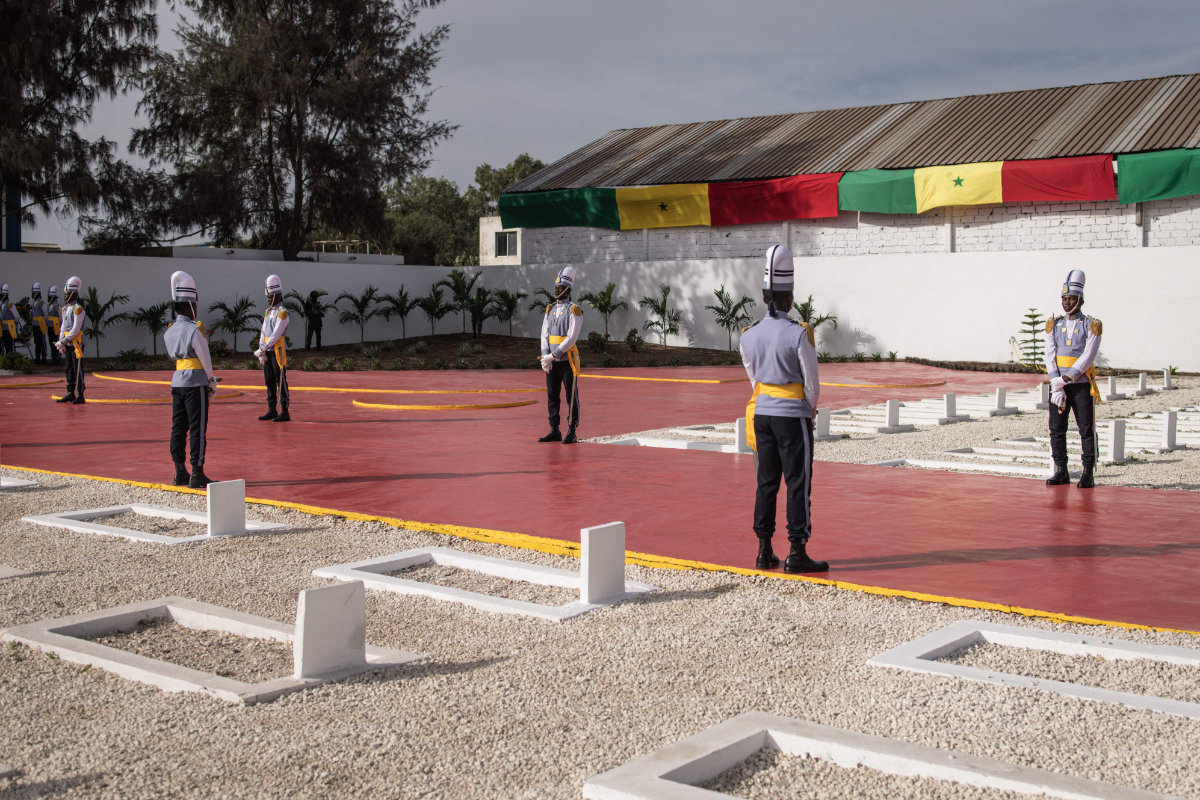
According to the committee, which was led by historian Mamadou Diouf, the report “restores” facts that were “deliberately hidden or buried in masses of administrative and military archives and released sparingly.”
“The true death toll of the tragedy is difficult to determine today,” the researchers wrote.
‘Meticulously planned’
But they said previous reports of around 35 or 70 deaths were “contradictory and patently false” and that “more than 400 riflemen vanished as if they had never existed.”
The most credible toll, they said, was 300 to 400 deaths.
The massacre “was intended to convince people that the colonial order could not be undermined by the emancipatory effects of the Second World War,” the report said.
For this reason, “the operation was premeditated, meticulously planned and executed thusly in coordinated actions,” it said.
“In the days following the massacre, the French authorities did everything they could to cover up” the killings, the report said.
This included altering the riflemen’s departure records from France and arrival records in Dakar, as well as the number of soldiers present in Thiaroye and other facts.
French Foreign Minister Jean-Noel Barrot said Friday during a trip to Lagos that France was “ready to cooperate with Senegal” on shedding light on the events.
“France is not going to avert its eyes from its own history and has embarked, along with Senegal and a number of other African countries, on the work of remembrance,” Barrot told journalists.