- UN officials warn funding shortfalls are closing clinics, cutting services and threatening gains in maternal health
- Women sustaining communities through war and displacement are paying the highest price for shrinking aid budgets
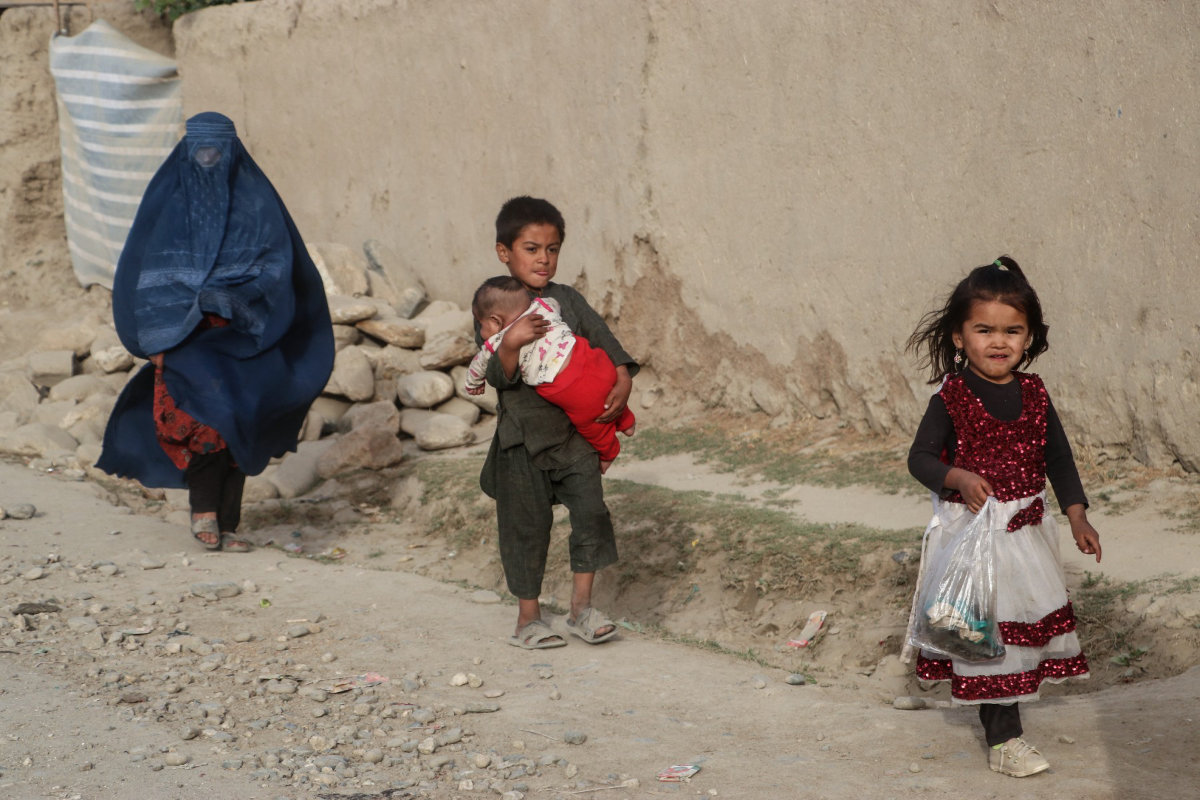
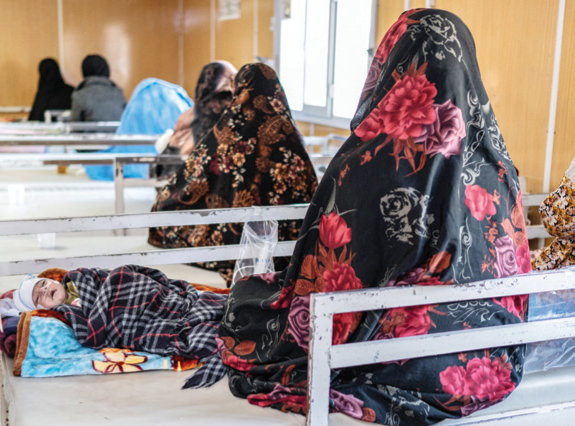
NEW YORK CITY: The baby’s head had been crowning for hours. The nearest health facility was 40 km from the village — a distance that, on the broken roads winding through Badakhshan province in northeastern Afghanistan, translates into a three-hour drive.
There were no vehicles available. By the time the mother reached the provincial capital, Faizabad, the choice facing medical workers was bleak. To save her life, the baby could not be saved.
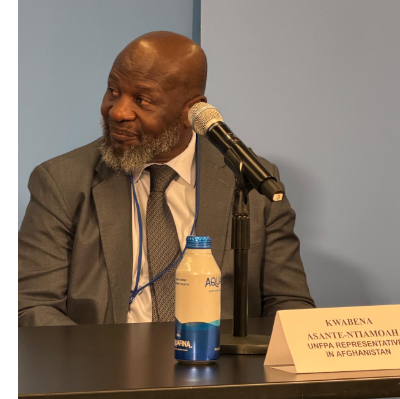
“This is not just a story,” Kwabena Asante-Ntiamoah, the UN Population Fund representative in Afghanistan, told a press roundtable at UN headquarters in New York this week. “This is a reality in Afghanistan.”
He pointed to Afghanistan’s maternal mortality ratio, which stands at 521 deaths per 100,000 live births — one of the highest in the world and a figure that, according to UNFPA modeling, could triple in the coming year if current funding cuts are not reversed.
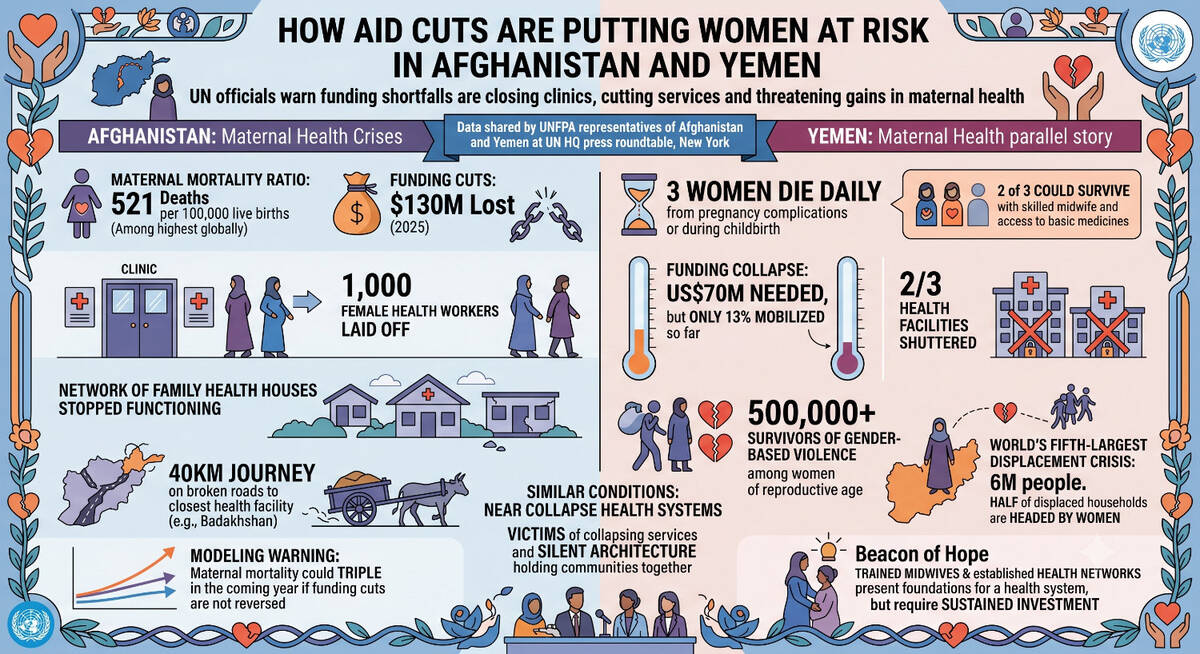
Across the Gulf of Aden, events in Yemen tell a parallel story. Three women die there every day from pregnancy-related complications or during childbirth.
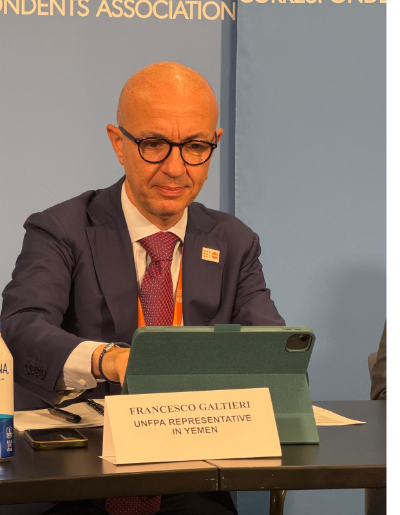
Two of those three, Francesco Galtieri, the UNFPA representative in Yemen, told the same roundtable, could survive with the assistance of a skilled midwife and access to basic medicines.
Together, Afghanistan and Yemen constitute two of the world’s largest, most complex and most overlooked humanitarian crises.
Both have populations in which roughly 70 percent of people are under the age of 30. Both have health systems in a state of near collapse. In Yemen, two-thirds of health facilities are shuttered. In Afghanistan, a 40-km journey can determine whether a mother lives or dies.
And in both countries, the burden falls on women — not only as the primary victims of collapsing maternal health services, but also as the silent architecture holding fractured communities together.
“Unfortunately, when problems persist, we tend to neglect them,” Galtieri said. “Yemen and Afghanistan are pretty much in a very similar situation.”
In Afghanistan, UNFPA has trodden a narrow and precarious path under Taliban rule. Maternal health services are framed by the authorities as a medical necessity — “women and girls’ health needs” — a formulation that has, for now, been tolerated, if only begrudgingly.
Services are delivered by women, for women, through a network of community-level family health houses in some of the country’s most remote areas.
At its peak this year, that network employed approximately 3,500 female health workers. Then came the funding cuts.
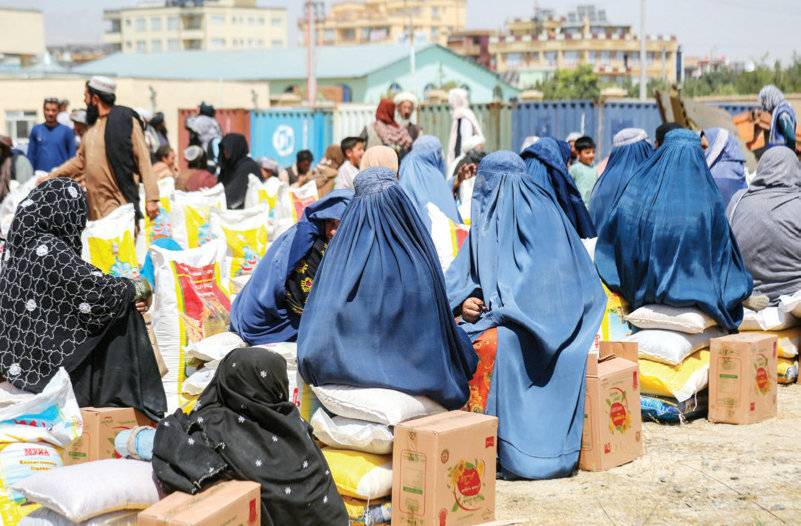
When Washington’s foreign assistance programs were gutted earlier this year, UNFPA lost roughly $130 million allocated for Afghanistan in 2025. Around 1,000 female service providers were laid off. The clinics they staffed simply stopped functioning.
Asante-Ntiamoah, who began his UN career as a volunteer in Afghanistan in 1996, described those women as “silent activists.
“In a country where the rights of women and girls are under enormous pressure, a mother or a sister waking up in the morning, dressing, and going to work, that is a huge motivation and a sign of hope for girls in that household,” he said.
The act of employment is not separate from the act of resistance, he added. It is the same.
UNFPA has launched a $90 million appeal for Afghanistan in 2026 and has secured roughly 70 percent of that amount.
The funding shortfall directly affects specific clinics, specific communities and specific women who will — or will not — survive their next complicated delivery.
Many observers ask why the UN remains in Afghanistan given everything the Taliban represents — the exclusion of girls from schools, decrees enabling the coercion of girls as young as 12 into marriage, and the systematic dismantling of women’s public lives.
“We cannot abandon Afghans because of the Taliban,” Asante-Ntiamoah said, responding to an Arab News question. “According to our simulations, the maternal mortality rate could increase threefold if we leave. You don’t throw the baby out with the bathwater.”
But the question of international responsibility cuts in more than one direction. Relations between the international community and the Taliban operate on two tracks: recognition and engagement, he said.
UN agencies can engage operationally, but formal recognition lies with the Security Council and the General Assembly — bodies where geopolitical interests routinely trump humanitarian consequences.
Afghanistan’s permanent UN seat, meanwhile, remains occupied by representatives of the former republic. The Taliban, who retook control of the country in 2021, have no voice in the chamber that helps shape global norms.
Kabul has become increasingly administrative, Asante-Ntiamoah said, while real power resides in Kandahar — the seat of the Taliban’s Supreme Leader Hibatullah Akhundzada, and a city that receives far less sustained international diplomatic attention.
International engagement was not designed for a situation like this.
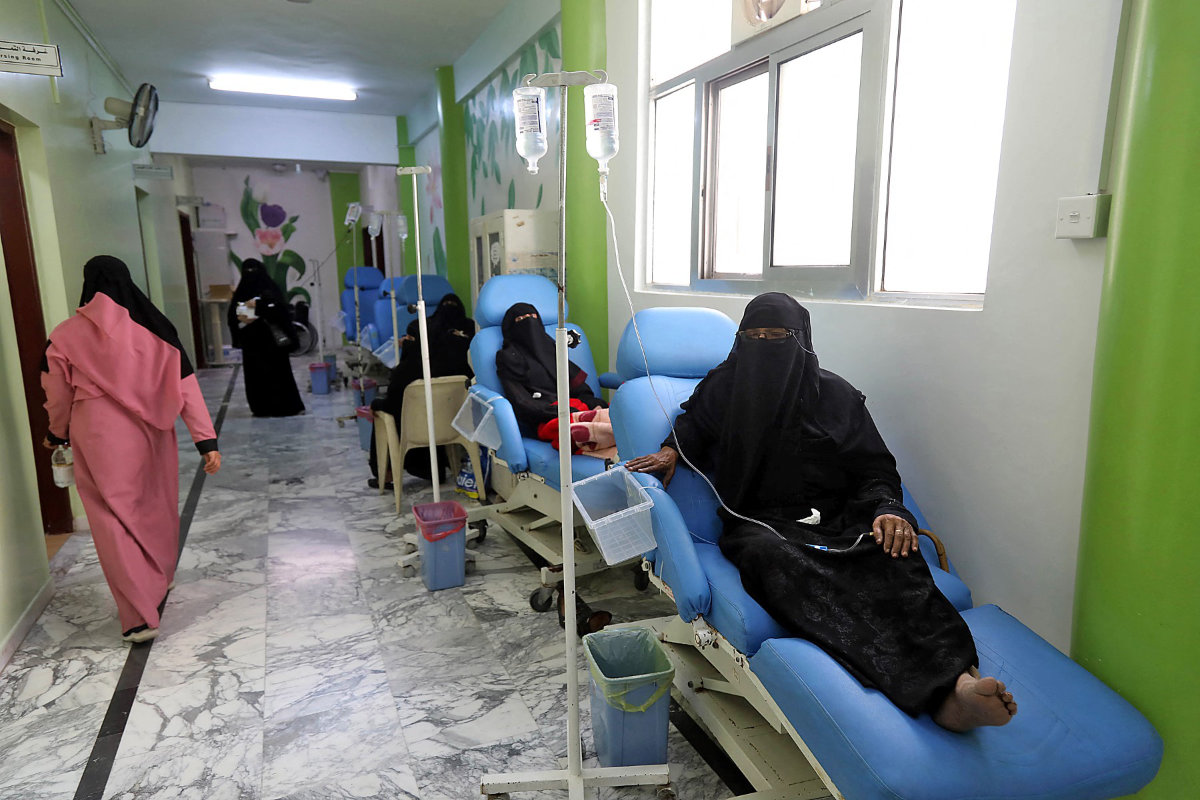
In Yemen, UNFPA estimates it needs $70 million to fund reproductive health and protection services during the current cycle, including midwifery, obstetric care, safe spaces for survivors of gender-based violence and cash assistance for women unable to afford transport to a clinic.
So far, it has mobilized just 13 percent of that figure.
Of Yemen’s 35 million people, more than 600,000 are pregnant women. Of the country’s 5.5 million women of reproductive age, more than 500,000 are survivors of gender-based violence.
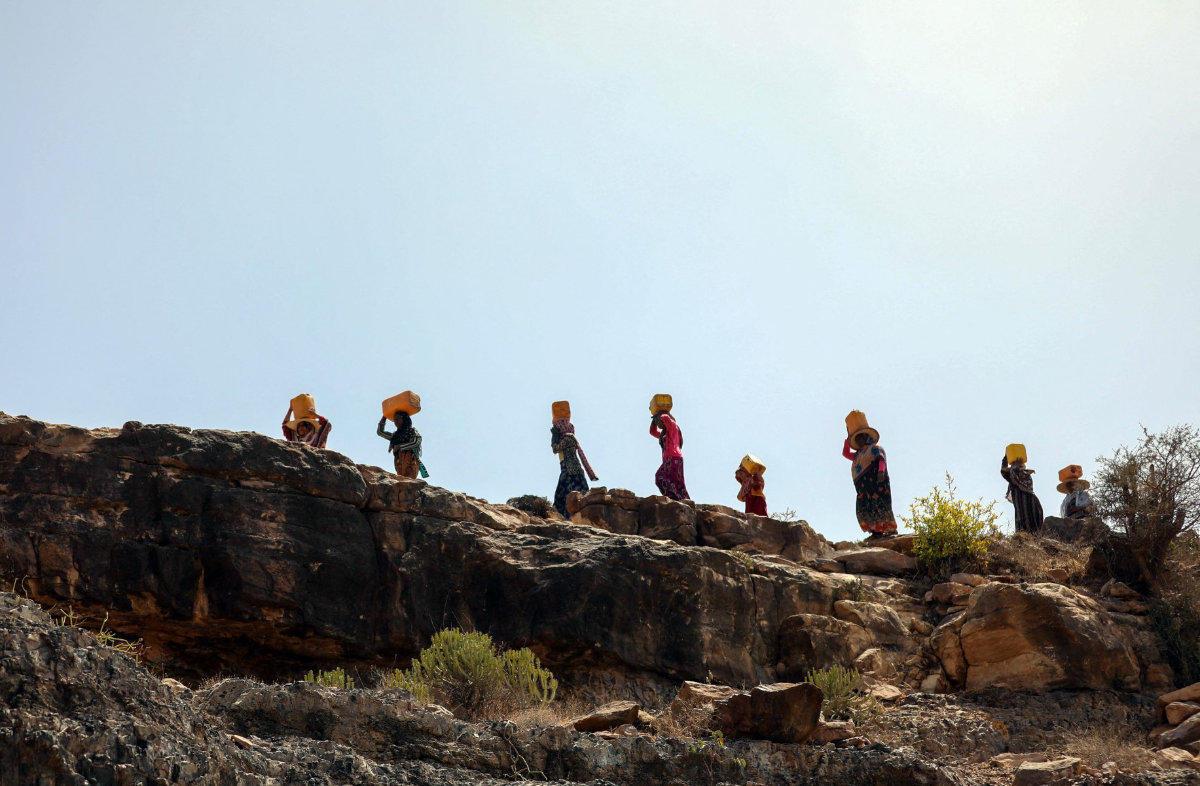
Yemen now has the world’s fifth-largest displacement crisis. The number of displaced people has risen from 5 million at the start of the year to 6 million. Half of those displaced households are headed by women.
The funding collapse is compounded by access constraints in the north, where 73 UN staff remain under arbitrary detention by the Iran-backed Houthi militia.
Military operations have narrowed the space for humanitarian diplomacy, and the attention of member states has shifted toward crises carrying more immediate geopolitical significance.
“More recent crises are taking most of the attention of member states, donors, and even the press,” Galtieri said.
“And even when the press covers these stories, it tells the story of the politics around Yemen and Afghanistan rather than the story of the people and what can help them feel stronger.”
Both representatives argue that protracted crises can, over time, create a different kind of opportunity — not just for emergency response, but for building something more durable.
UNFPA has trained thousands of midwives in Yemen over the past 12 years. It has established health networks in the most remote valleys of Afghanistan. These are not merely humanitarian programs. They are, in embryonic form, the foundations of a health system.
But sustaining that architecture requires a different kind of investment — telemedicine linking rural midwives to regional hospitals, cash programs that enable women to afford transport to the nearest clinic, and connectivity that outlasts the crisis that originally funded it.
Arab News asked Galtieri what was preventing this shift — from emergency charity to economic empowerment — from gaining real traction.
“That legacy from the past,” he said. “Human beings — it takes time for us to change the way we approach issues.”
The international community, he added, still views humanitarian assistance “in much more of a philanthropic way — from those who can to those who need, rather than thinking about how we can empower those who wake up every morning.”
Asante-Ntiamoah was more blunt.
“When you have a protracted crisis, the crisis itself becomes the political and economic foundation of the society. It becomes normalized. And when it becomes normalized, you need to be strategic — because the society has to be resilient.”
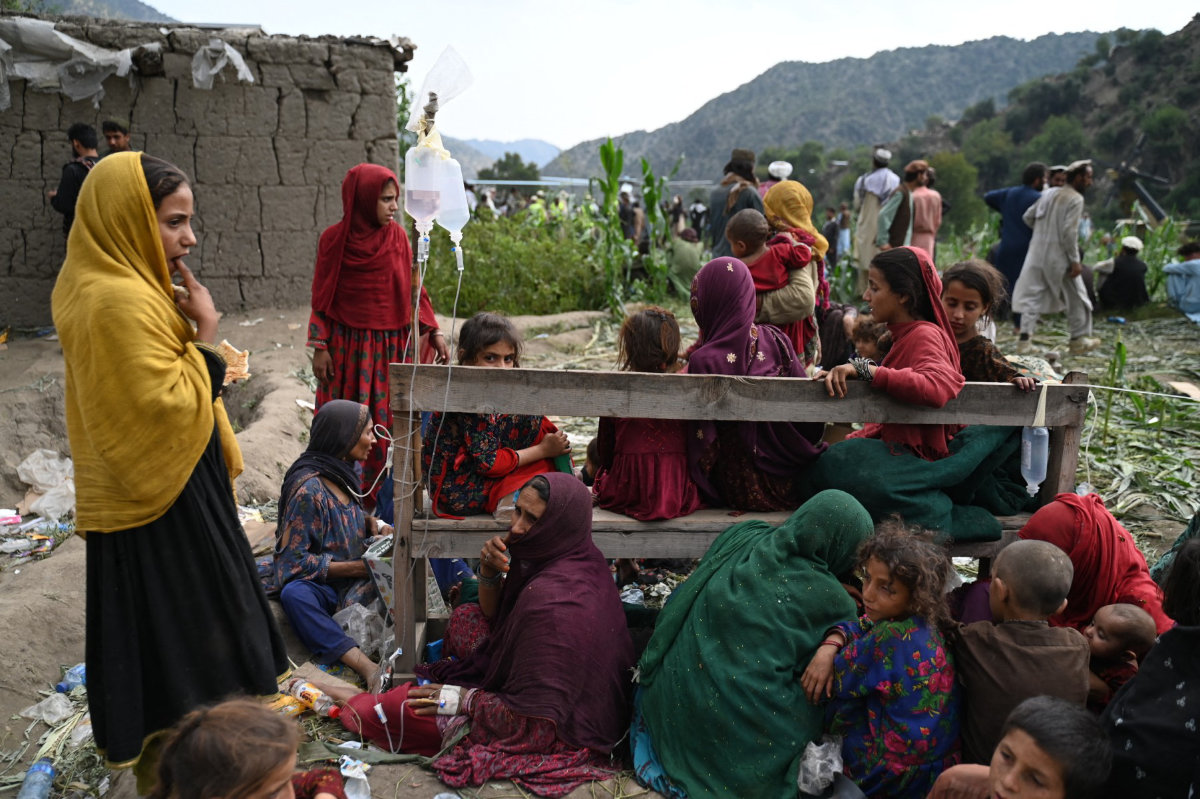
He said that when an earthquake strikes a remote Afghan province, the instinct is to build a clinic. The strategic question is whether there is already an under-equipped clinic nearby. Equip that one. When the emergency ends, it remains.
It is a simple idea. In the context of humanitarian response, it is almost radical.
“If they had to tell their stories,” Galtieri said of Yemeni women, “they would probably tell stories of struggle — but with a bit more of a beacon of hope than the way we tell their stories at times.”
In Afghanistan, 1,000 women lost their jobs this year when $130 million in aid funding was withdrawn. They dressed in the morning, walked to clinics that no longer had payroll waiting for them, and turned back home.
In households across Badakhshan, Helmand and Kunduz, girls who had watched them leave for work each morning watched them return.
The silent activists had been silenced. And the international community, in ways it has not fully reckoned with, is holding the door.