- Last month’s activation of ‘Heritage Reframed’ introduced a UK audience to traditional craftsmanship from the Kingdom and beyond
DUBAI: Luxury lifestyle brand Lavish Concepts, founded by Saudi businesswomen Nada Altobaishi and Hala Al-Sharekh, is staging a permanent exhibition “with seasonal collections and activations that evolve throughout the year” called “Heritage Reframed” at its atelier in Chiswick, London.
The most recent activation took place on June 26, and featured a showcase of pieces from Turquoise Mountain — a charity founded by Britain’s King Charles III that works with artisan communities in Afghanistan, Jordan, Myanmar, Palestine, Saudi Arabia, and Syria; Inaash — a charity supporting women in refugee camps in Lebanon; and a curated selection of books from Dar Layan Culture — a non-profit initiative that aims to preserve Saudi heritage, Islamic arts and Arab culture.
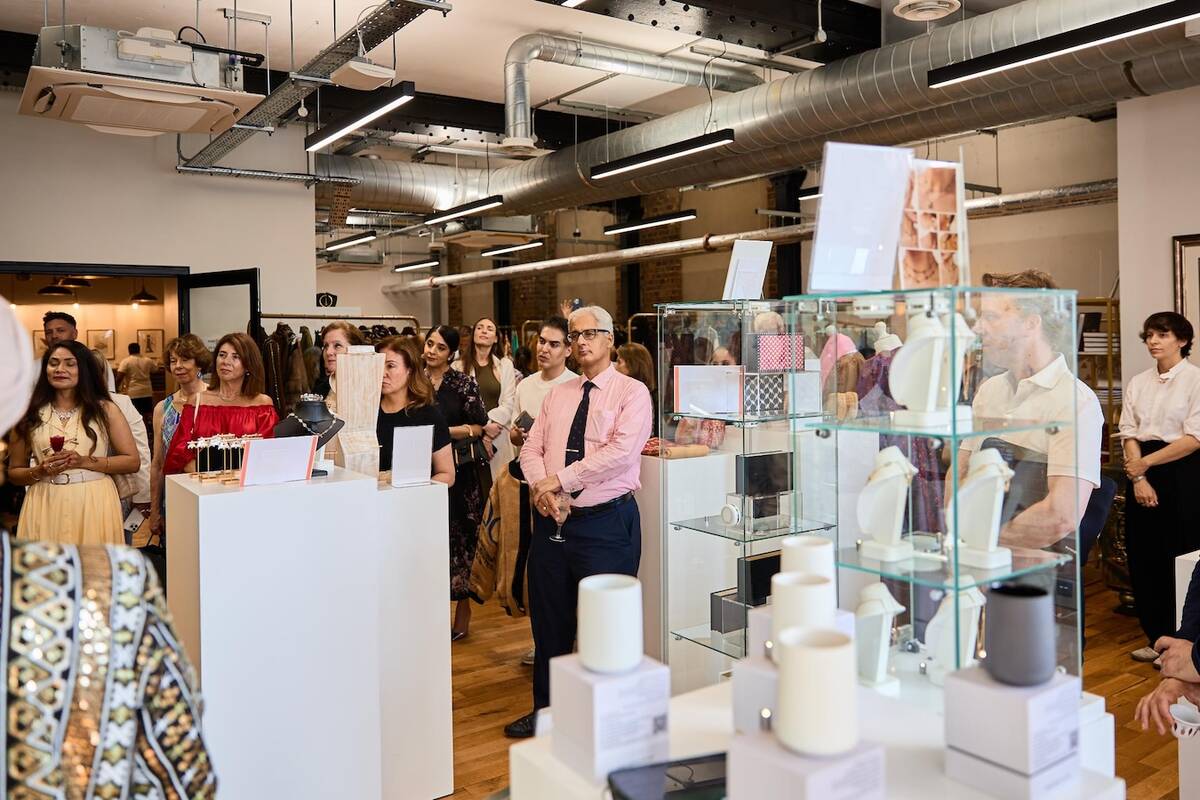
“The showcase came together naturally,” Altobaishi and Al-Sharekh wrote in a statement to Arab News. “Dar Layan Culture is one of our most significant partnerships, and Lavish Concepts worksclosely with Turquoise Mountain, Inaash and other organizations, along with guest designers who share our commitment to artisanal work and cultural preservation.”
The aim of “Heritage Reframed,” they explained, is “to build a strong cultural bridge between the region and the UK, elevate artisans and designers, and establish a focused and influential platform for meaningful cultural exchange.”
At the event in June, Dar Layan Culture presented its publications to a UK audience for the first time, “offering guests a thoughtful entry point into the region’s artistic and civilizational heritage,” the founders said. “Titles such as ‘The Three Holy Mosques,’ ‘The Camel Through the Ages,’ and ‘Medieval Routes to Makkah’ drew visitors in and set an intellectual tone throughout.
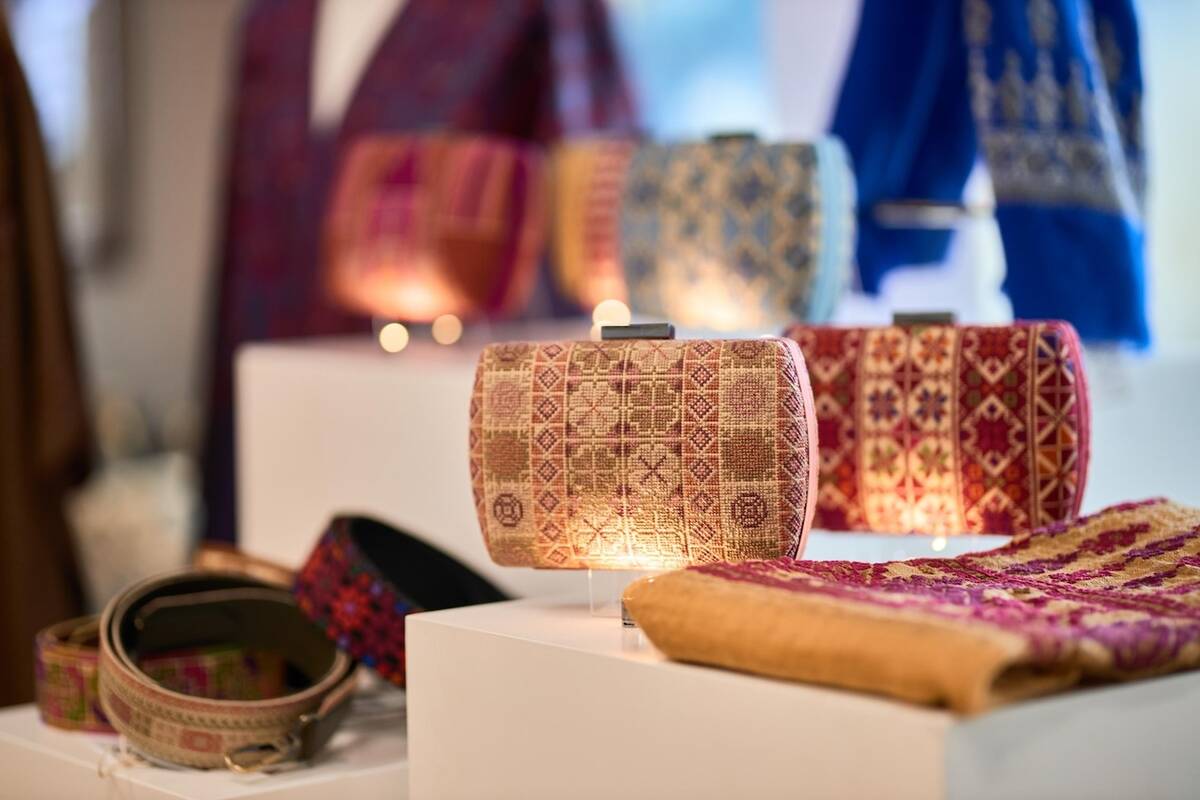
“Across the showcase, guests encountered Palestinian embroidery preserved through Inaash, artisanal jewellery and craft from Myanmar and Afghanistan supported through Turquoise Mountain, and contemporary design from Saudi Arabia, the wider Gulf and MENA. Each tradition had its own unique style, and together they gave visitors a fuller sense of the region’s creative heritage,” they continued.
Cultural education is central to the founders’ aims, they said. Aside from Dar Layan Culture’s books, they cited Saudi brand Herfah as an example. “Herfah’s work, inspired by Al-Qatt Al-Asiri (a style of interior-wall decoration native to Asir), a tradition recognized by UNESCO, showed how a familiar visual language can be expressed in a contemporary way.”
Woven art from Mimosa, meanwhile, “encouraged guests to pause and connect with the sentiment behind each piece, across embroidery and jewelry, seeing how fabrics move and how materials catch the light,” they said. “Those details opened up conversations and helped guests understand the intention behind each creation.”
What linked all of the items on display — from books to artisanal products — was that each has a story behind it, Altobaishi and Al-Sharekh stressed.
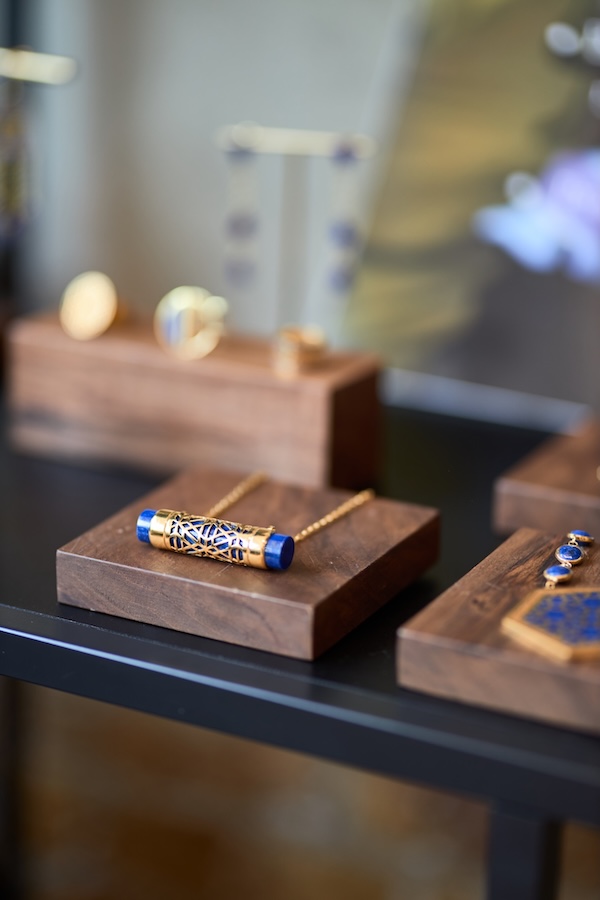
“Storytelling is central to our work. When someone learns that Hanan Alturki’s ACH abaya draws inspiration from the palm tree or Najdi motifs, or that Farbasta jewelry reflects ancient civilizations, or that Yarakech’s kaftans are recognized by UNESCO, the piece becomes more than something beautiful; it becomes a narrative they become part of,” they said. “That emotional connection encourages conscious collecting and helps sustain traditional craftsmanship for future generations.”
Sustaining traditional craftsmanship, the founders pointed out, is an important part of Saudi Vision 2030.
“Heritage craftsmanship sits at the heart of Saudi Arabia’s cultural transformation. Under the Ministry of Culture and the wider Vision 2030 framework, there is a clear commitment to preserving and revitalizing traditional practices, from sadu weaving to Najdi motifs and broader artistic languages that reflect the Kingdom’s identity,” they said. “Our role is to support Saudi and wider MENA designers, artists and artisans in reaching audiences in the UK and internationally. We want heritage-led design to be understood, appreciated and recognized for its cultural value. Over time, we hope to contribute to the Kingdom’s cultural visibility on a global stage and help ensure that these traditions continue to evolve within a contemporary context.”
The next step in that process takes place July 21-22, when a curated selection of pieces from “Heritage Reframed” will be on display at Sotheby’s International Realty in Knightsbridge, London. This “Summer Edit” showcase, a press release states, “brings together emerging and established creatives whose work reflects the depth of regional culture and the evolution of heritage craftsmanship.”