

Trafficking in persons is one of the most persistent crimes in the world. It is also one of the most adaptable. It crosses borders and exploits the gaps between jurisdictions, and it changes form faster than most of the systems built to stop it. No country is untouched, whether as a point of origin, transit, or destination, and none can deal with it alone.
UN World Day Against Trafficking in Persons this year focuses on a growing form of exploitation: people lured by fraudulent job offers and then forced to work in online scam operations. The theme, “Trapped Behind the Scam,” is a reminder that traffickers adapt quickly to new opportunities. The challenge for governments is to do the same by making recruitment more transparent, employment better documented, and exploitation harder to hide.
Saudi Arabia has been taking this approach in its own labor market. Over recent years the Kingdom has introduced measures to reduce the space in which fraudulent recruitment can occur. Qiwa serves as the digital gateway for private sector employment, with more than 12 million employment contracts documented electronically, covering about 13 million workers. Musaned oversees the recruitment of domestic workers, licensing recruitment agencies and issuing an attested contract for each placement.
Wage payment has also been digitized. Since January, the salaries of domestic workers in the Kingdom must be paid electronically through official channels connected to the Wage Protection System. In other words, a household’s payroll now undergoes the same scrutiny as that of a company. Labor reforms in recent years have also changed the rules on job mobility, allowing workers to change employers and to travel under defined conditions and workers can raise complaints through established channels, including the ministry’s contact line, 19911.
Over recent years the Kingdom has introduced measures to reduce the space in which fraudulent recruitment can occur. Qiwa serves as the digital gateway for private sector employment, with more than 12 million employment contracts documented electronically, covering about 13 million workers.
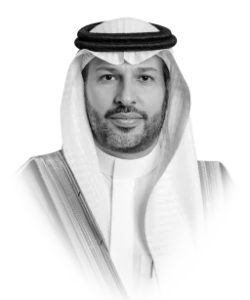
Sattam bin Amer Al-Harbi
This trend toward greater digital transparency and the rights of all workers is ongoing. In January 2025, the Council of Ministers approved the National Policy for the Elimination of Forced Labor, following the Kingdom’s ratification in 2021 of the Protocol to the International Labor Organization’s Forced Labor Convention. The Ministry of Human Resources and Social Development operates a specialist unit trained to recognize the indicators of forced labor and trafficking. This unit assesses individual cases and coordinates support for anyone found to be at risk, working with the other government bodies responsible so that a potential victim is moved quickly to protection, shelter, and legal help.
Recruitment fraud increasingly takes the same online channels people use to look for legitimate work. With that continuing evolution, controls now govern electronic recruitment advertising as well. An advertisement may not charge a worker fees, publish their personal information or use the language of property, which is precisely the kind of listing the controls were written to stop. Monitoring of websites and social platforms has so far led to the removal of more than 1,400 advertisements that broke those rules and cases showing indicators of trafficking are referred to the authorities.
No labor market is immune to exploitation. Traffickers look constantly for weaknesses and the measure of any response is whether it narrows their openings: whether recruitment becomes harder to falsify and violations easier to detect. That is demonstrated over time, through enforcement and through the cases identified and resolved.
International cooperation matters for the same reason. Saudi Arabia works with the International Labour Organization, the International Organization for Migration and the United Nations Office on Drugs and Crime and we support this year’s UN call for stronger cross-border cooperation. A crime that moves between countries has to be answered between them.
There is no finish line in combating trafficking in persons. It is a responsibility that must be carried, year after year, through steady enforcement and reform and through cooperation that outlasts any single initiative. On this World Day Against Trafficking in Persons, that is the commitment worth restating and the standard every country should hold itself to.
• Sattam bin Amer Al-Harbi is deputy minister for control and development of work environment at the Ministry of Human Resources and Social Development.


