

Arab News’ recent article Let the show begin: World-Class entertainment comes to Saudi Arabia reminded readers of ways in which culture is important to a society; firstly, because an appreciation of the arts is of value in its own right and brings so much to a society, and secondly, for economic reasons. Arts and culture has always been important to Saudi Arabia. The Kingdom's ambitious and future focused Vision 2030, has added real energy and impetus to the understanding of how culture and entertainment will contribute to long-term economic growth, and bring wider societal benefits.
As the UK’s international organization for education and culture, the British Council has been working in the Kingdom for over 50 years and has witnessed this shift first hand. Much of our work supports young Saudi men and women to acquire the 21st century skills, including English, and UK qualifications, that they and the country aspire to. It is noticeable, however, that demand from individuals and institutions for partnership and exchange in the arts has expanded appreciably.
We have always believed that culture is an important component of economic development. The arts, heritage and cultural industries create jobs, and have the added benefit of promoting internal and external tourism. A great deal of cultural production is already taking place — with much new inspiring creative work emerging from Saudi Arabia in recent years. Consumption of new forms of culture, such as vlogs, is also very high.
The UK has itself seen a transformation in the importance of the cultural industries. The creative industries are now worth £84.1 billion per year to the UK economy, and as we move to creating and consuming new forms of culture, increasingly through digital platforms for example, the number of jobs in this area continues to rise. In the UK, the number of jobs in the creative economy has increased by 19.6% since 2011 compared with 6.3% in the wider economy. In 2014, the UK’s creative industries grew at almost double the pace of the rest of the UK economy. This growth is enriching our culture, enhancing our international soft power and positive influence, and generating tangible economic growth and more jobs.
Saudi Arabia is of course, ideally positioned to develop the importance of its creative and entertainment sector. It has a large young aspirant population. It has a unique place internationally in tourism, with many millions coming already to perform Umrah or Haj and visit holy sites throughout the year. And it has a vast and diverse geography with many natural and cultural gems. There are great opportunities here — and also some challenges.
Our latest report on Saudi Arabia from Our Cultural Skills Unit — Examining the Cultural Skills Gaps and Shortages in Saudi Arabia — in which we consulted with over 102 partners and stakeholders, revealed that arts and culture professionals believe that the lack of suitably qualified and skilled professionals in certain areas is strongly affecting the cultural sector as a whole. Interviews and focus group participants identified five main shortages in the country: Professional marketers for the arts and creative industries; creative entrepreneurs; museum and cultural heritage experts; film and theater producers; and gallery managers.
So, what can be done to respond to these different needs? Well, here are two things we are actually trialing right now. One is the use of role models to inspire, motivate and mentor younger generations; the second is providing skills that go beyond the purely technical requirements of a job. To achieve the former, we launched the Education is GREAT Alumni Awards last year, with categories in professional achievement, social impact and entrepreneurship, recognizing cultural ambassadors for the next generation. With regards to the latter, we have launched a program called Contemporary Collective which is training six Saudi women to become professional curators, but also to learn important soft skills like marketing and public outreach, that will hopefully enable them to connect with thousands if not millions of people in Saudi, and share their passion for contemporary art in ways that are relevant and inclusive.
We also work through the year to support Saudi arts professionals wanting to share their work and professional practice or take part in UK festivals and exhibitions: These exchanges give UK audiences a unique chance to get a deeper understanding of Saudi Arabia, and in a way that only art can, they allow people in both countries to start to challenge some of the stereotypes and prejudices they may have about the other. So, developing more digital experts, lighting and sound designers, broadcasters, filmmakers or theater directors, will deliver economic benefit — and just as importantly will enrich in many other ways through wider broader people-to-people exchange, and greater trust and influence.
For a cultural relations organization such as ourselves, the plans for culture and entertainment found in Vision 2030 are welcome, ambitious and exciting — allowing for a great exchange of knowledge and ideas that can make a lasting difference to both countries.
—
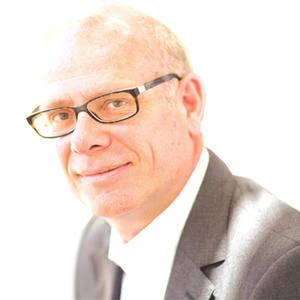
Adrian Chadwick OBE is the Regional Director, Middle East and North Africa British Council. He has been working internationally in education and culture for 30 years and has spent more than half that time working in the Middle East and North Africa, including six years as Country Director Saudi Arabia. He is currently the Regional Director, Middle East and North Africa for the British Council. In 2006, Adrian was awarded an OBE in recognition of his work in international cultural relations.


