

The pandemic is accelerating a global political and economic trend that will define the future: A diffusion of political and economic power around the world. The ways in which this plays out will be critical to shaping the post-pandemic world.
A diffusion of power predates the pandemic by at least a decade. The Cold War represented a bipolar world, with political and military power concentrated in the US and the Soviet Union. The post-Cold War era centered political, military and economic power in the US — a unipolar period. While the US remains the world’s only military superpower and still has the largest economy in the world, relative power has gradually spread around the world.
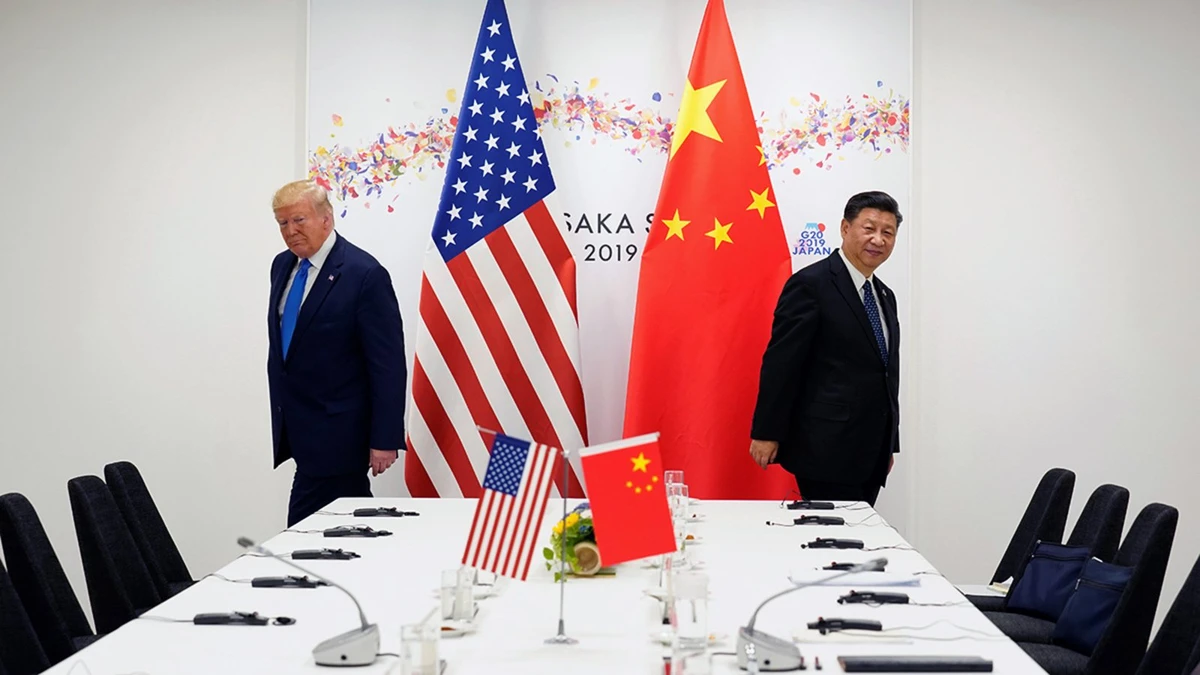
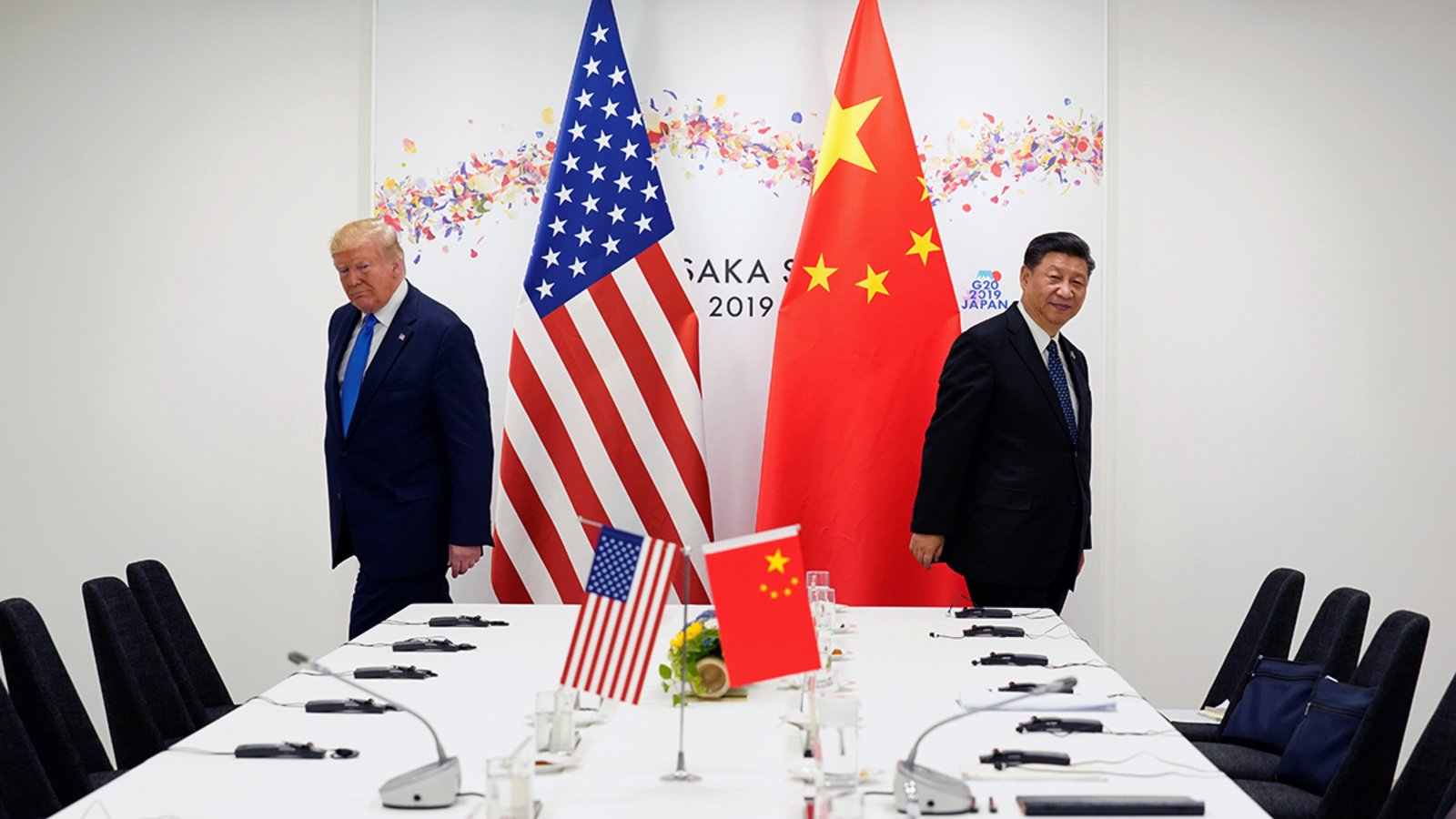
China is the most notable rising power. Its economic size has increased, and it has worked to assert its economic and political influence in Asia and beyond, as well as expanding its military power. However, while some analysts predict a new US-China bipolar system, the diffusion of power that has benefited China has also benefited other countries that are capable of promoting their own interests.
In the last year, the combination of the pandemic, the pandemic-driven global economic crisis and the US-China trade war has accelerated the diffusion of power around the world. Intensifying zero-sum competition between Washington and Beijing has led some Asian countries to step up their efforts to navigate between US and Chinese pressures and pursue their own independent interests. This includes working together where they have common interests, often around trade. Countries such as Australia, India, Indonesia, Japan and South Korea have sufficient demographic, economic and political power to chart their own course.
The pandemic undermined the soft power of China and the US. Many people around the world saw China’s initial response to the coronavirus disease as flawed and partly responsible for the virus’ global spread. Many people also have a negative view of how the pandemic was handled in the US. Both countries are likely to find it increasingly difficult to lead by dint of their reputation abroad. This creates opportunities for other countries that appear to have more effective approaches to crises such as the pandemic.
The pandemic, economic crisis and trade war could also shift global supply chains and affect economic trade relations well beyond US-China relations.
The US and Chinese economies are undergoing a degree of decoupling, which affects supply chains around the world. The extent of this trend — and the degree of its permanence — remain unclear, and it can be easy to exaggerate it. Nonetheless, the events of 2020 will reorient some economic relations. Part of this reflects changes such as increased teleworking that go beyond geopolitics, but will play a role in shaping trade and investment in the future.
It is necessary to use caution in projecting what the future might look like, especially in a time of intense uncertainties, including the pandemic, US presidential election, Brexit negotiations and much more. With that caveat in mind, there are several trends that are likely to grow and shape the post-pandemic world.
In a future in which power is more diffused among global and regional actors, coalitions and multilateral action is more likely to be based on transactional relationships than on shared values or ideologies.
The Cold War model of a Western alliance versus the communist Soviet Union and its ideological allies is unlikely to be the model of the future. Rather, alliances and partnerships between countries are likely to shift as mutual interests change.
This will present a challenge to the UN and other institutions of the post-Second World War era, which tend to promote values such as human rights, democratization and free markets. However, those same institutions could play crucial roles in facilitating dialogue and partnerships between countries with shared interests.
Alliances and partnerships between countries are likely to shift as mutual interests change.
Kerry Boyd Anderson
The US is very likely to remain the most powerful country in the world for years, but US-China competition will increasingly define relations between the two main players on the world stage. Russia will continue to stake claims to what it views as its rightful sphere of influence. Beyond that sphere, it is likely to develop temporary, transactional partnerships with some countries, but is unlikely to gain close allies.
Europe could take several paths; it is likely to become more independent from the US in its economic and political relationships. The EU could become more integrated, especially without the UK, but also might struggle to find a common strategy in the wake of the pandemic and migration crisis of the last few years. If it succeeds in embracing a common global approach, Europe might look for more diverse partnerships with other countries.
Regional powers will be increasingly important in shaping their own neighborhoods and global geopolitics. Countries such as Saudi Arabia and the UAE in the Middle East will play essential roles in shaping their region’s future.
In Asia, countries such as India, Japan, Singapore, South Korea and Australia are likely to work together in pursuit of mutual interests and to balance against US-China competition while also competing economically and politically. This trend will likely lead to frequent shifts in power between a greater number of players than the global system has seen in recent decades, but the system might also be less vulnerable to sudden shocks emanating from one or two superpowers.
- Kerry Boyd Anderson is a writer and political risk consultant with more than 16 years’ experience as a professional analyst of international security issues and Middle East political and business risk. Her previous positions include deputy director for advisory with Oxford Analytica and managing editor of Arms Control Today. Twitter: @KBAresearch


